Focused arrival windows
Useful updates and clear arrival timing.
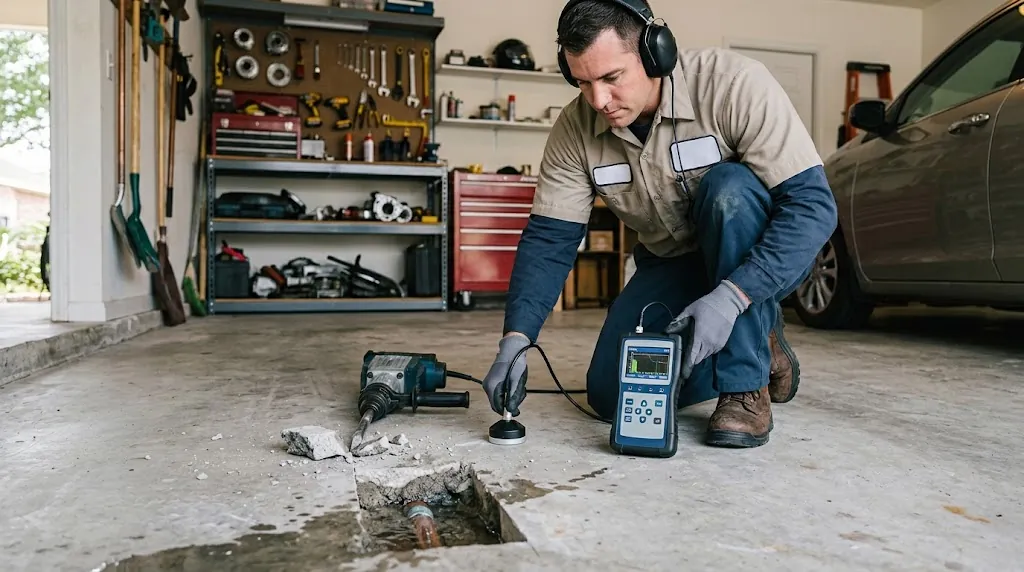
When your water bill spikes or your yard turns soggy, water line leak detection Nashua NH is the fastest way to stop the damage. We use acoustic listening devices and thermal imaging cameras to pinpoint leaks under lawns, driveways, and slabs. Serving homeowners and businesses across Hillsborough County since 2010, we locate the break, mark the spot, and repair it the same week.
Useful updates and clear arrival timing.
Review the approach and price before deciding.
Equipped vehicles and respectful cleanup.
Neighbors serving neighbors with follow-through.
Every detection call includes the full diagnostic package: pressure testing, acoustic sweep, thermal confirmation, and a marked location. The repair is quoted separately once we know the pipe material and depth. No hidden fees, no surprise add-ons.
We isolate the service line from the house and pressurize it with pressure testing gauges. A dropping gauge confirms an underground leak. A holding gauge means the problem is inside. This test takes 20 to 30 minutes and directs the entire call.
We walk the length of the line with acoustic listening devices and a ground microphone. Escaping water makes a distinct frequency that the equipment picks up. We narrow the leak to within about 12 inches before we mark it.
A FLIR thermal imaging camera shows the temperature difference where saturated soil sits against dry soil. It confirms what the acoustic gear suggests and works through concrete, asphalt, and frost. This step takes 15 to 30 minutes.
When the leak is deep or under a slab, we inject a harmless tracer gas into the line and sniff the surface with a Sewerin detector. The gas escapes where the water escapes. It gives us a precise hit when acoustic and thermal readings are ambiguous.
We mark the spot with paint and a flag so you see exactly where we will dig. You get a written summary of the findings, the pipe material, the depth, and the recommended repair. That documentation helps with insurance claims and future maintenance.
Share what is happening and receive a clear next step from the local team.
Water line leak detection Nashua NH is the process of finding where water is escaping from the pipe that runs between your meter and your home. We pressurize the line, listen for the hiss of escaping water with acoustic listening devices, and confirm the spot with thermal imaging cameras. Once we mark it, we know exactly where to dig, so we open one small hole instead of trenching your whole yard.
Most Nashua calls come from one of three things: a water bill that jumped 30 percent or more, a wet patch in the lawn that never dries, or the sound of running water when every fixture is off. Older homes in French Hill and Crown Hill often have copper pipe that has pitted from decades of freeze-thaw cycles. If you need water line leak detection near me Nashua NH, we can usually be on site the same day you call.
You call 603 571 4078 and describe the symptoms: high bill, wet spot, running sound. We ask for your ZIP code, when the problem started, and whether you have a basement or slab foundation. That takes about 10 minutes and lets us load the right equipment before we leave the shop.
On arrival, we isolate the service line from the house plumbing and pressurize it with pressure testing gauges. If the gauge drops, the leak is underground. If it holds, the problem is inside the house. This step takes 20 to 30 minutes and tells us exactly which direction to go.
We walk the line with acoustic listening devices and a FLIR thermal imaging camera. The microphone picks up the frequency of escaping water; the camera shows the temperature difference where soil is saturated. Together they narrow the leak to a 12-inch window. Most sweeps take 45 to 90 minutes.
For tough cases, we inject a tracer gas detector into the line and sniff the surface. When we get a hit, we mark the spot with paint and a flag. You see exactly where we will dig before we put a shovel in the ground.
We excavate, cut out the failed section of copper pipe or PEX tubing, and splice in a new piece with proper couplings. Then we retest the line at full pressure before backfilling. Most repairs are finished in three to five hours, and you get a written summary of what we found and fixed.
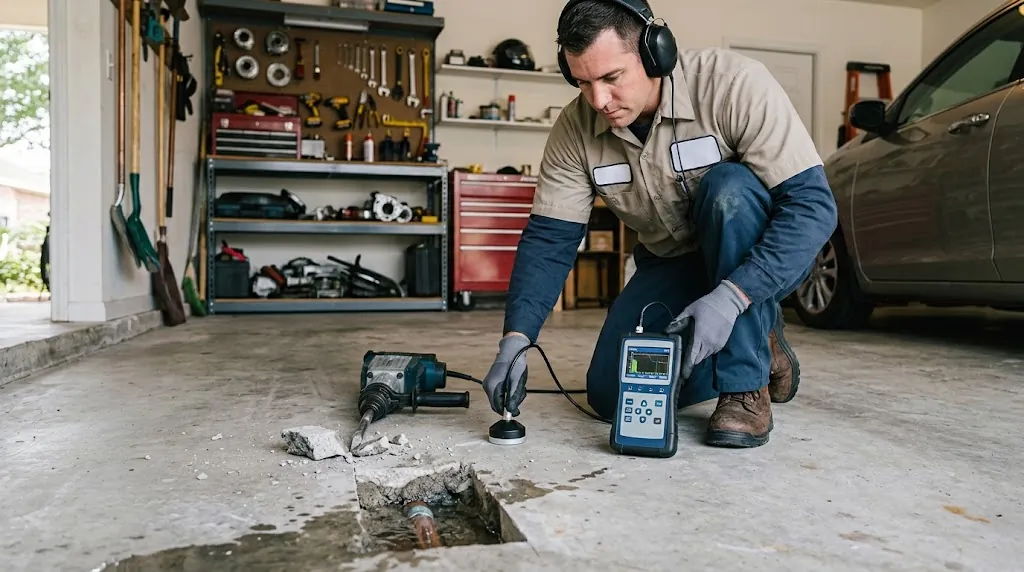
Ground microphones and headphones pick up the frequency of water escaping a pressurized pipe. We walk the line and narrow the leak to within about 12 inches.
Thermal cameras show temperature differences where saturated soil sits against dry soil. They confirm acoustic readings and work through concrete, asphalt, and frost.
We inject a harmless tracer gas into the line and sniff the surface. The gas escapes where the water escapes, giving a precise hit on deep or slab-covered leaks.
We isolate the service line and pressurize it. A dropping gauge confirms an underground leak. A holding gauge means the problem is inside the house.
Cameras go inside the line to show cracks, joint separations, and root intrusion. They confirm the pipe material and the extent of the damage before we dig.
Pin and pinless meters measure moisture in walls, floors, and cabinets. They separate a plumbing leak from a roof or foundation leak before we commit to a repair plan.
We shut the main valve, isolate the service line, and pressurize it with pressure testing gauges. If the gauge drops, the leak is underground. If it holds, the problem is inside. This 20-minute test directs the entire call and keeps you from paying for the wrong diagnosis.
We walk the line with acoustic listening devices, listening for the frequency of escaping water. On longer lines we use two sensors to correlate the sound and calculate the exact distance to the leak. It narrows the target to about 12 inches.
A FLIR thermal imaging camera scans the surface above the line. Saturated soil holds heat differently than dry soil, so the leak shows as a temperature anomaly. It confirms the acoustic hit and works through concrete and asphalt.
For deep or slab-covered leaks, we inject a harmless tracer gas into the line and sniff the surface with a Sewerin detector. The gas follows the water path and escapes at the break. It gives a precise hit when other methods are ambiguous.
We cut out the failed section, splice in new copper pipe or PEX tubing with proper couplings, and follow NH plumbing code. Then we retest the line at full pressure before backfilling. You get a written summary of what failed and what we fixed.
We run a full leak detection inspection: pressure test, acoustic sweep, and thermal imaging. We document the findings in writing so you can negotiate the repair or budget for it before closing. You know exactly what you are buying. No surprises after the keys change hands.
Frozen ground shifts and cracks copper service lines. We locate the break with acoustic gear, dig one hole, and splice in a new section of PEX that handles freeze-thaw better than the original copper. Water restored the same day, and the new pipe is less likely to fail next winter.
We work after hours to avoid disrupting business. Tracer gas and acoustic gear find the break under the asphalt. We coordinate the repair and document everything for your insurance claim. The leak is fixed, the tenant is satisfied, and your claim paperwork is complete.
That usually means a leak between the well head and the house. We pressure test the line, listen for the leak with acoustic devices, and locate the break. Then we repair it and retest. The pump stops cycling, your electric bill drops, and the well system runs like it should.
Nashua sits in Hillsborough County and gets some of the worst freeze-thaw cycling in southern New Hampshire. That cycle is hard on underground water lines. Copper pipe that was fine in October can crack by February when the ground shifts. Older neighborhoods like French Hill and Crown Hill have service lines that date to the 1920s and 1930s, and many of those copper runs are pitted from decades of expansion and contraction. Newer builds in Nashua Highlands and the Exit 8 Neighborhood use PEX tubing, which handles freeze-thaw better but still fails at fittings and couplings. We also deal with high water tables near Mine Falls and the Nashua River, where saturated soil makes leaks harder to spot from the surface. If you need affordable water line leak detection Nashua, we know where to look first because we have worked these streets for 16 years. We pull permits when the repair requires one and schedule the city inspection so you do not have to.
Many service lines here date to the 1920s. Copper has pitted from decades of freeze-thaw, and leaks often show up as wet spots in basements rather than yards.
Mature tree roots invade sewer and water trenches. We run pipe inspection cameras to separate root intrusion from a true pipe break before quoting a repair.
Newer PEX service lines fail at fittings and couplings more than mid-pipe. Acoustic gear picks up those leaks fast because the surrounding soil is usually drier.
High water table near the river means saturated soil year-round. Thermal imaging is less useful here, so we lean on tracer gas and acoustic correlation.
Commercial properties with asphalt parking lots. We coordinate after-hours work so tenants are not disrupted and document findings for property managers.
Ground movement cracks copper service lines and loosens fittings. Most emergency calls come in January and February after a deep freeze followed by a thaw.
Pitted copper fails at pinhole leaks first, then at full breaks. Early detection catches the pinhole before it becomes a yard-flooding break.
Saturated soil masks thermal signatures and makes surface wet spots hard to distinguish from the water table. We rely on tracer gas and acoustic correlation in these areas.
We pull the permit and schedule the inspection so the work is code-correct and documented. That matters when you sell the house.
A homeowner in French Hill saw her water bill jump from $60 to $140 in two months. The yard looked dry. We pressure tested the line, confirmed an underground leak, and used acoustic gear to narrow it to a 10-inch window under the front walk.
We dug one hole, cut out 18 inches of pitted copper, and spliced in new copper with proper couplings. Retested at 80 psi and held. Her next bill was $58. Total time on site: four hours.
Maintenance: We recommended a full line replacement within two years because the rest of the copper showed similar pitting. She scheduled it for the following spring and avoided another emergency.
A property manager on Amherst Street had a wet spot in the parking lot that never dried. Two other companies quoted full-lot excavation. We ran tracer gas and acoustic correlation, and found the break 22 feet from the building under a single parking space.
We saw-cut one 3-by-3 section of asphalt, repaired the failed PVC joint, and patched the lot. The tenant never lost parking access. Total repair cost was $2,800 instead of the $14,000 full-excavation quote.
Maintenance: We documented the repair for the insurance claim and recommended annual pressure testing on the remaining line, which the property manager added to the maintenance schedule.
A homeowner in the North End called at 6 a.m. after hearing water running under the basement floor. The main valve was off and the meter was still spinning. We arrived by 8 a.m. and confirmed the leak was on the service line, not a slab leak.
We located the break 14 feet from the foundation with acoustic gear, dug one hole, and replaced a 2-foot section of cracked copper with PEX. Water was back on by noon. The repair cost $850, including the detection fee.
Maintenance: We marked the repair location on a site sketch and recommended insulating the exposed line where it enters the foundation to reduce freeze risk next winter.
Underground leaks do not fix themselves. They get worse, cost more, and damage more property the longer they run. Here is what we see most often in Nashua and how we stop it.
A pinhole leak in a copper service line can waste 8,000 gallons a month. Over a year that is real money, plus the risk of a full line failure that floods your yard and shuts off your water entirely. We pressure test the line, run an acoustic sweep, and locate the break. Once marked, we repair the failed section with new copper or PEX and retest at full pressure. Most repairs are done in three to five hours.
Saturated soil migrates toward your foundation. Over one winter it can cause foundation leaks, cracked slabs, and basement seepage. A $400 repair turns into a $12,000 foundation job if you wait. We use thermal imaging cameras to confirm the saturated zone and acoustic gear to pinpoint the leak. We dig one hole, fix the pipe, and backfill. Your lawn recovers in a few weeks with minimal disruption.
That sound is water escaping under pressure. It could be the service line, a slab leak, or a toilet flapper. Guessing wrong means paying for the wrong repair and still having a leak. We shut the main valve and watch the meter. If it still spins, the leak is on the service line. We then isolate and test to confirm. You get a definitive answer before anyone picks up a shovel.
Water pooling at the meter usually means the curb stop or the service line connection is failing. Left alone, it erodes the soil around the pipe and can cause a full break that shuts off water to the house. We inspect the meter pit, pressure test the line from the curb stop, and locate the failure. If the connection is the issue, we repair it. If the line itself has failed, we quote the replacement with code-correct materials.
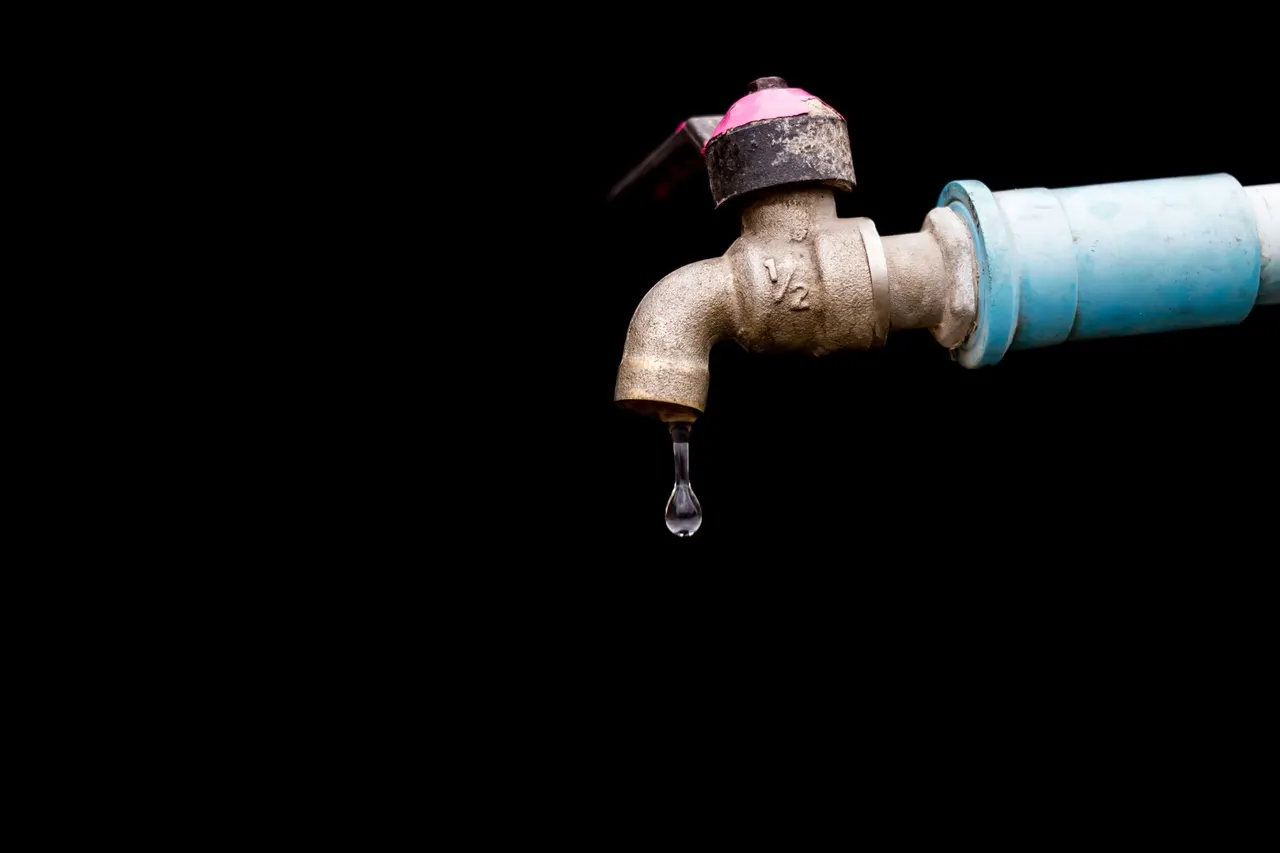
Nashua LeakDetectors has been locating and repairing water lines since 2010. Our technicians hold NH Master Plumber licenses and Backflow Prevention Certification, and we carry IAPMO Certification for pipe installation work. We have worked on everything from 1920s copper service lines in the Tree Streets to modern PEX runs in Nashua Highlands. Every technician trains on RIDGID locators, Sewerin acoustic equipment, and FLIR thermal cameras before running a call solo. That experience matters when the leak is 6 feet down under a concrete driveway.
My water bill doubled in two months and I had no idea why. These guys came out, pressure tested the line, and found a pinhole leak in the copper under my front lawn. They marked it, dug one hole, and had it repaired the same afternoon. Bill went back to normal the next cycle. Straight shooters.
We manage six commercial buildings and had a tenant complaining about a wet spot in the parking lot. Nashua LeakDetectors used tracer gas and found the break under the asphalt in about an hour. They coordinated the repair around our tenants and documented everything for the insurance claim. No drama.
Called at 6 a.m. on a Saturday because I could hear water running under the basement floor. They had a tech here by 8. He confirmed it was the service line, not a slab leak, and repaired it before noon. Fair price, no upsell, and he explained what failed so I understood it.
Most detection calls in Nashua run $250 to $550 in 2026, depending on line length and access. A straightforward acoustic sweep on a 60-foot service line is on the low end. If we need tracer gas or have to work around a driveway or slab, it lands higher. The repair is quoted separately once we know the pipe material and depth.
Three signs point to an underground leak: a water bill that jumps 20 percent or more with no change in usage, a soggy patch in the yard that stays wet between rains, and the sound of running water when every faucet is off. If you shut the main valve and the meter still spins, the leak is on the service line.
Yes. We locate the leak first using acoustic listening devices, thermal imaging cameras, and tracer gas detectors. Those tools narrow the break to within about 12 inches. We only dig once we know exactly where the leak is, which keeps the excavation small and your lawn intact.
We do. Nashua LeakDetectors holds a NH Master Plumber License and has repaired underground water lines since 2010. We cut out the failed copper or PEX section, splice in new pipe with proper couplings, and retest at full pressure before backfilling. Most repairs are done in three to five hours.
Not seeing your question? Our local team can help you understand urgency, scheduling and what to expect.
Ask the local team
Whole-home leak detection for Nashua homeowners. We check supply lines, drains, and fixtures for hidden moisture that drives up bills and damages framing. Pairs with water line leak detection when the meter spins but no single fixture is obviously leaking.
View service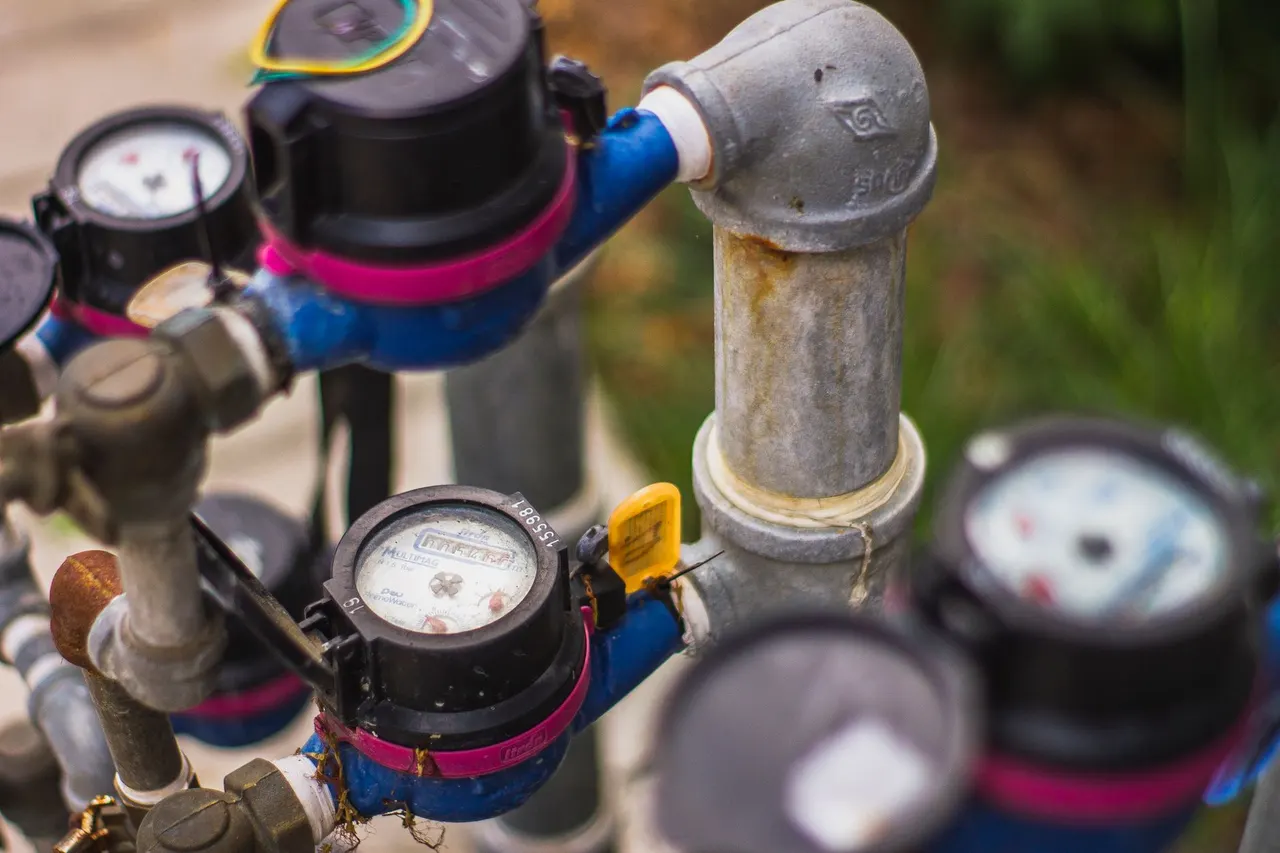
Restaurants, retail, and office buildings on Amherst Street and the Nashua Mall Area rely on us to find leaks without shutting down operations. We work nights and weekends when needed, and we document findings for property managers and insurance claims.
View service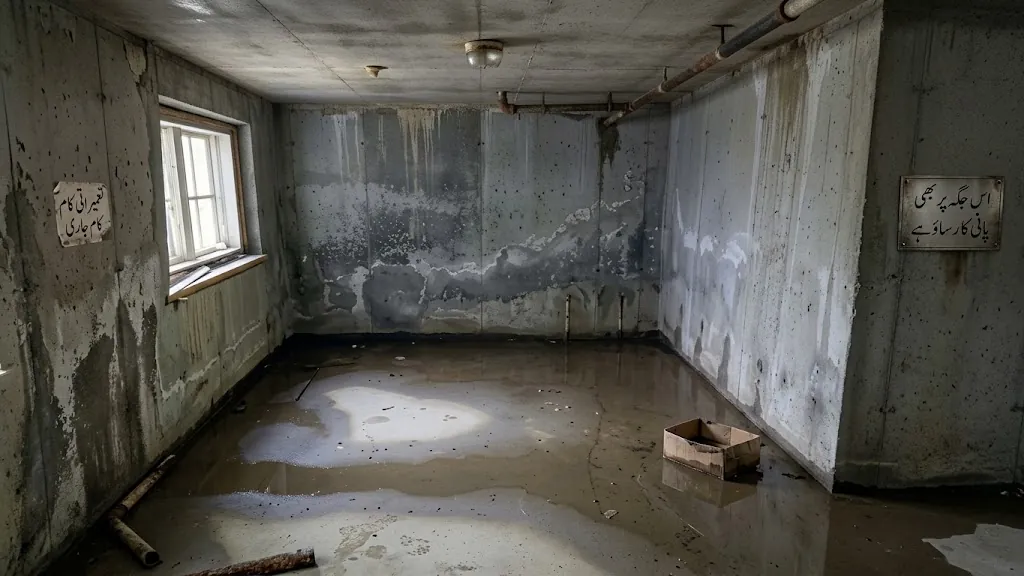
When the leak is under a concrete floor, acoustic listening devices and thermal imaging cameras pinpoint it without breaking the slab. We mark the spot, then core a small access hole for the repair. Common in ranches and split-levels across South End.
View service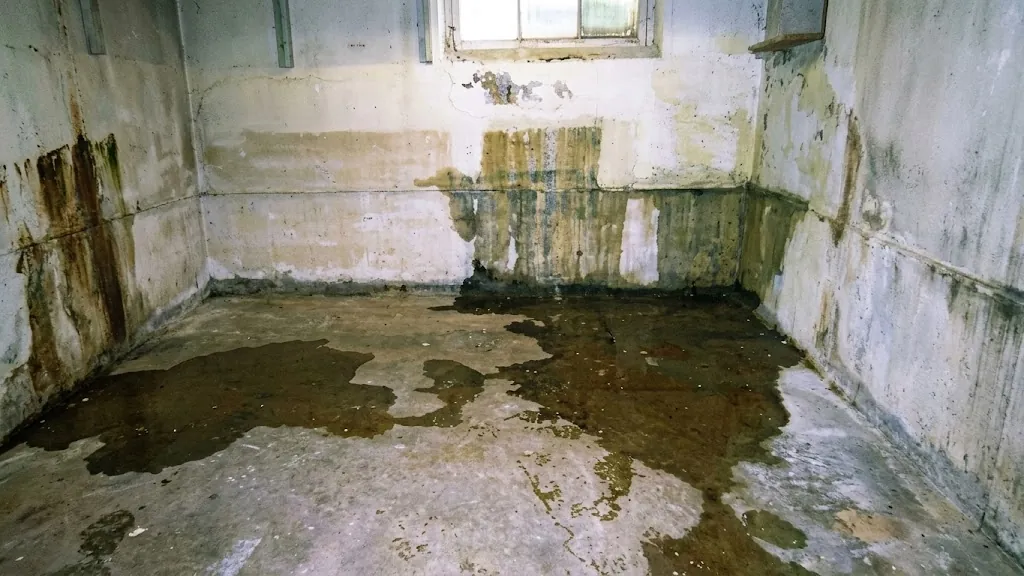
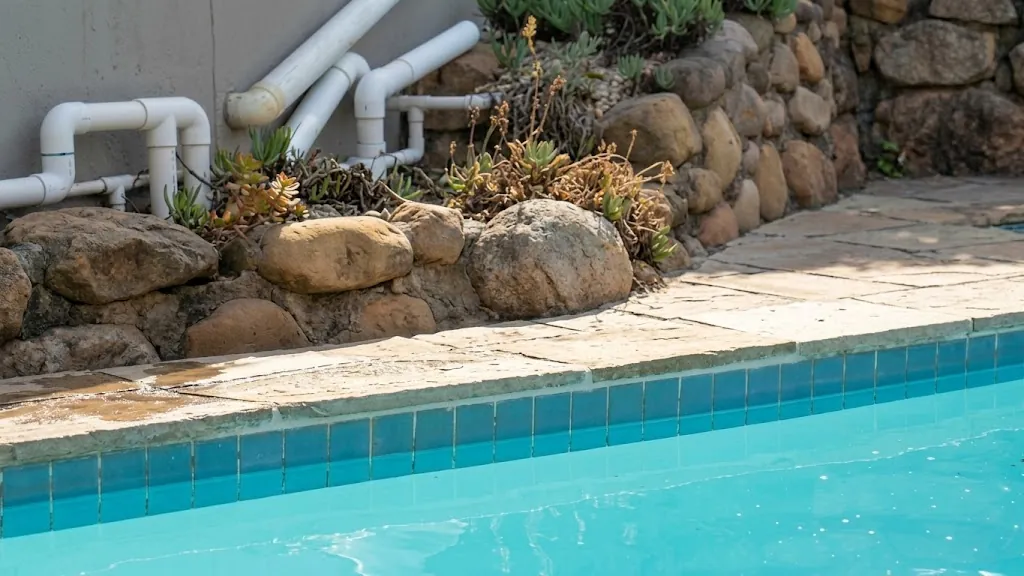
Pool leaks lose 2 inches of water a week or more. We pressure test the plumbing, check the shell with dye testing, and locate the failure before it undermines the deck. Many pool leaks share the same trench as the water service line.
View service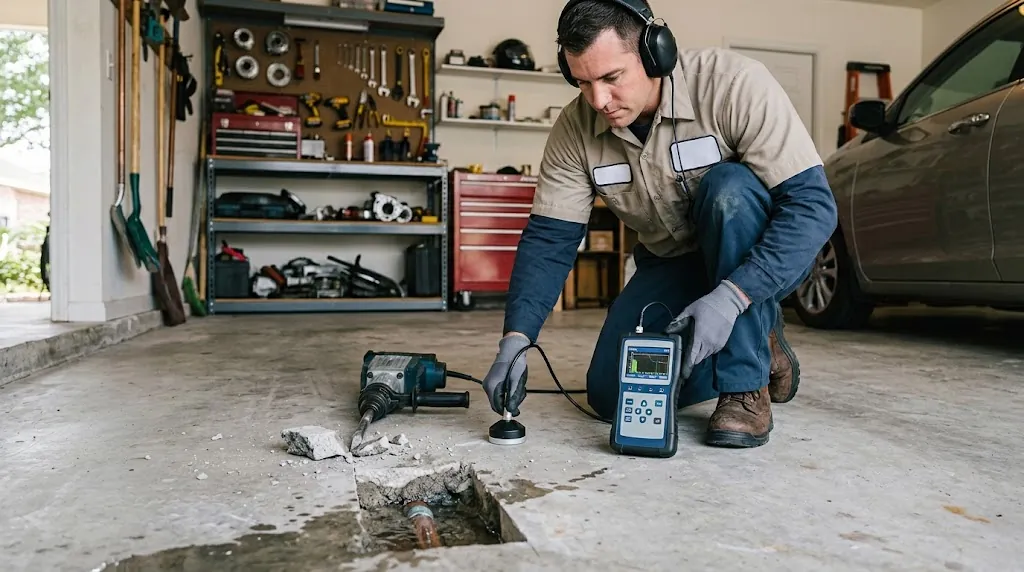
Call 603 571 4078 any hour, day or night, and a real person answers. We schedule same-day appointments for most leak calls in Nashua and the surrounding Hillsborough County area, and we confirm your window before we roll a truck.