Focused arrival windows
Useful updates and clear arrival timing.
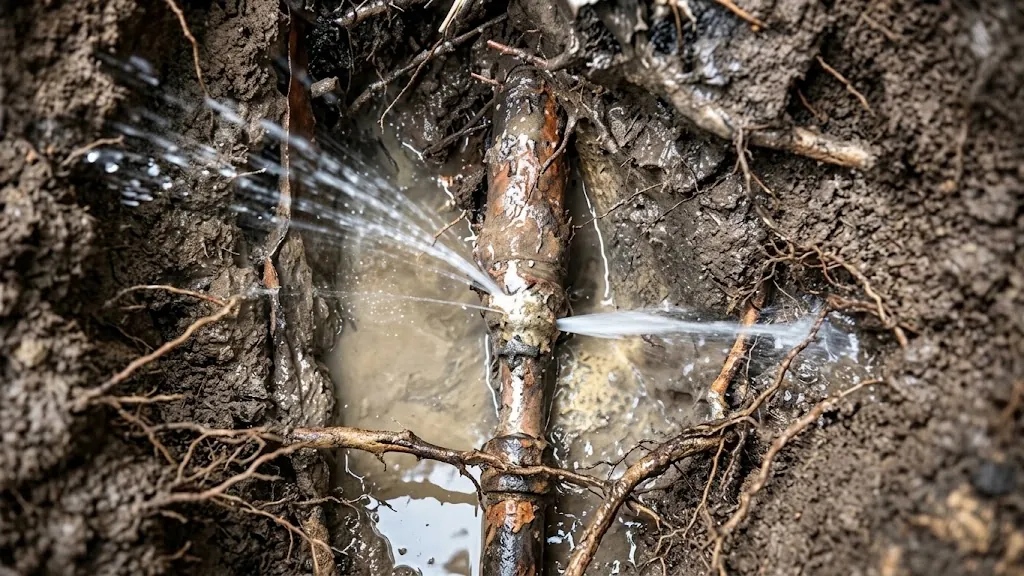
Commercial leak detection Nashua NH is how property managers, restaurant owners, and office landlords stop water damage before it spreads. We use thermal imaging cameras, acoustic listening devices, and tracer gas detectors to pinpoint hidden pipe leaks, slab leaks, and underground water line leaks in buildings across Hillsborough County. When your water bill spikes or a ceiling stain appears, call 603 571 4078 and we will find the source.
Useful updates and clear arrival timing.
Review the approach and price before deciding.
Equipped vehicles and respectful cleanup.
Neighbors serving neighbors with follow-through.
Every commercial leak detection Nashua NH visit includes a full diagnostic walk-through, non-invasive testing, and a written finding. Repairs are quoted separately so you can decide what to approve. Here is what you get on the standard visit.
A licensed technician inspects mechanical rooms, restrooms, kitchens, and any area with visible pipework. We check copper pipe, PEX tubing, and PVC pipe for corrosion, moisture, and joint stress. The walk-through takes 30 to 60 minutes on a typical commercial property.
We run a FLIR thermal imaging camera across suspect walls, ceilings, and floors. The camera reads temperature differences that reveal hidden moisture behind finished surfaces. It is non-invasive, so your tenants stay in place and nothing gets opened up during the scan.
Acoustic listening devices pick up the sound of escaping water on pressurized lines. Pressure testing gauges confirm whether a section holds. Together they narrow the leak to a specific line and a specific area, usually within a few square feet.
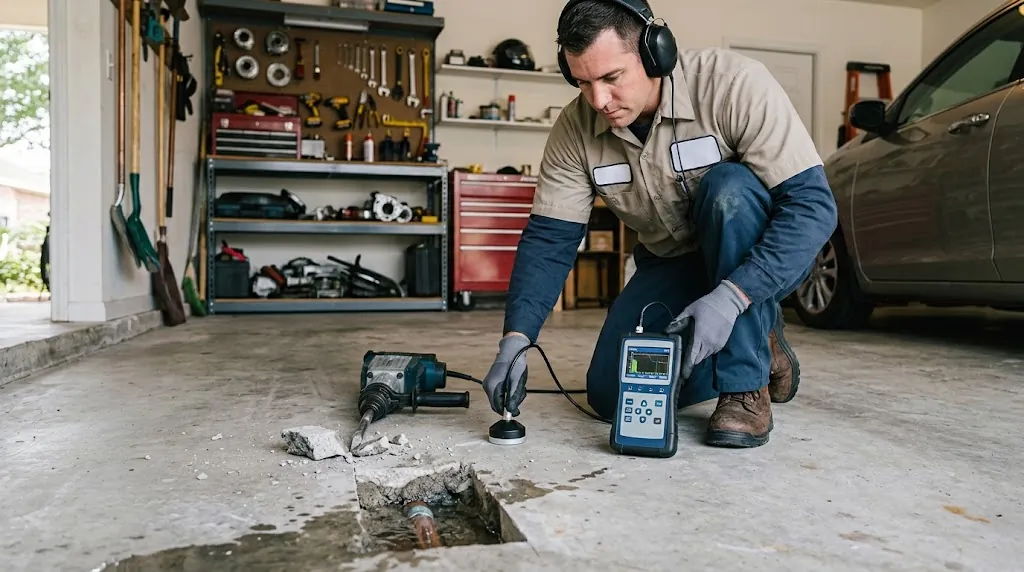
For slab leaks and underground water line leaks, we introduce a safe tracer gas into the line and detect it at the surface with a Sewerin detector. The gas surfaces directly above the break, so the repair is a pinpoint cut instead of exploratory excavation.
You get the leak location, the pipe material, and photos of the finding. If repair is needed, we quote it before we start. If the issue is a simple faucet cartridge or water heater part, we tell you that too. No pressure to approve anything on the spot.
Share what is happening and receive a clear next step from the local team.
Commercial leak detection Nashua NH is the process of locating water, gas, or sewer leaks inside business properties without tearing the building apart. Our technicians use acoustic listening devices, thermal imaging cameras, and pressure testing gauges to trace leaks through copper pipe, PEX tubing, and PVC pipe. We work on slab leaks, hidden pipe leaks, underground water line leaks, and water heater leaks in restaurants, offices, retail spaces, and multi-unit buildings across Nashua.
Nashua's older mill buildings and downtown commercial stock hide decades of pipe repairs behind finished walls and concrete slabs. A slow leak in a Main Street District storefront can run for weeks before a tenant notices a warped floor. That is why business leak detection Nashua is not a luxury, it is maintenance. If you search for commercial leak detection near me Nashua NH, you want a team that reads the building, not just the meter.
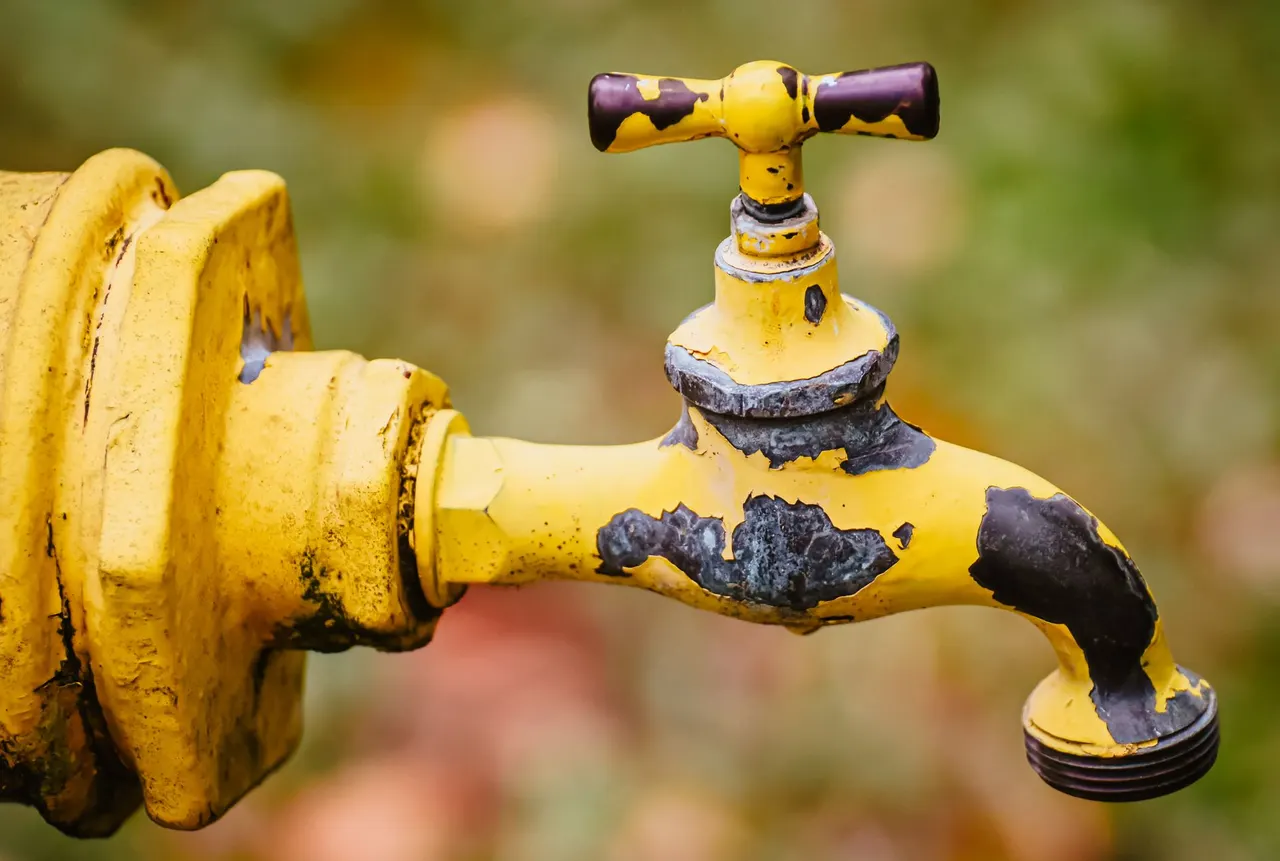
You call 603 571 4078 and describe what you see: a spike in the water bill, a stain on the ceiling, a damp patch on the slab. We ask about the building age, pipe material, and whether the water is running. That five-minute conversation tells us which tools to load.
A licensed technician walks the property with moisture meters and a pipe inspection camera. We check mechanical rooms, restrooms, kitchens, and any area with copper pipe or PEX tubing. This walk-through takes 30 to 60 minutes on a typical Nashua commercial building.
We bring out the thermal imaging cameras and acoustic listening devices. A FLIR camera reads temperature differences behind walls. An ultrasonic leak detector picks up the high-frequency hiss of pressurized water escaping a pinhole. Neither step requires cutting into the structure.
Once we have a suspect area, we confirm with pressure testing gauges or tracer gas detectors. Tracer gas is the gold standard for underground water line leaks and slab leaks because the gas finds the path of least resistance and surfaces exactly above the break.
You get the leak location, the pipe material, and a straight answer on repair options. If it is a simple pipe sealant or plumber's tape fix, we say so. If it needs a slab cut or a new line, we quote it before we start. No surprises.
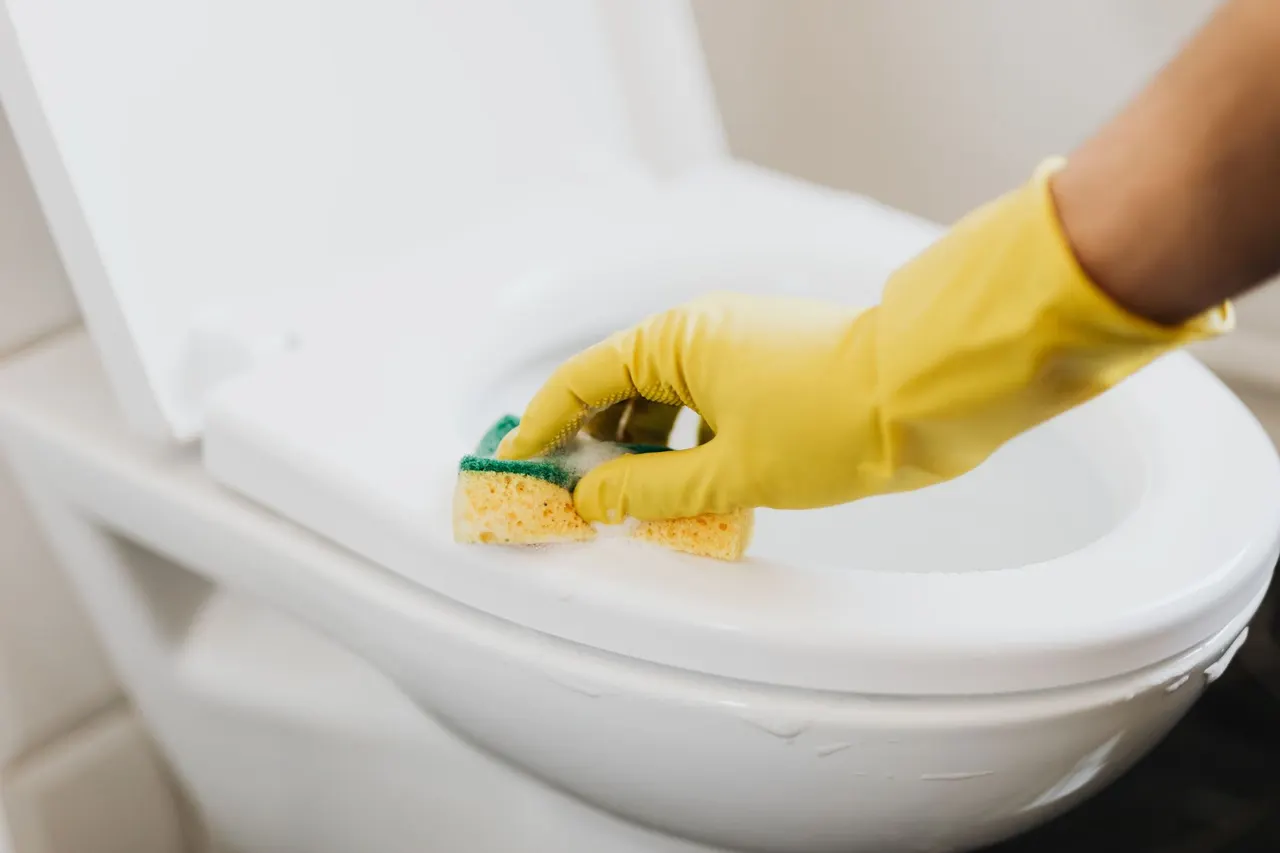
Read temperature differences behind walls, under slabs, and above ceilings to reveal hidden moisture without opening the structure.
Pick up the high-frequency sound of pressurized water escaping a pinhole in copper pipe, PEX tubing, or underground water lines.
Confirm the exact surface location of slab leaks and underground water line leaks by detecting a safe gas mixture that escapes at the break.
Run through drain lines and sewer lines to find cracks, root intrusion, and joint failures with video proof.
Isolate a line section and confirm whether it holds pressure, which rules out whole systems fast on large commercial properties.
Measure water content in drywall, concrete, and flooring to map the extent of the leak and confirm the repair dried properly.
Detect gas line leaks and compressed air leaks that are inaudible to the human ear, especially in noisy mechanical rooms.
We start with thermal imaging and acoustic listening before any cutting. On a typical Nashua commercial job, that means we mark the leak location with a pencil and open one small access panel instead of a four-foot wall section. It keeps your tenants in business and your repair bill down.
We close valves to isolate a section of the plumbing, pressurize it with a gauge, and watch for a drop. This method is fast and definitive on multi-line commercial buildings. It tells us which system is leaking before we spend time chasing the wrong pipe.
For slab leaks and underground lines, we introduce a safe gas mixture and detect it at the surface with a Sewerin detector. The gas follows the path of least resistance and surfaces directly above the break. It is the most accurate way to avoid exploratory excavation.
We run a RIDGID pipe inspection camera through drain lines and sewer lines to see the inside of the pipe. Cracks, offset joints, and root intrusion show up on video. You get proof of the problem before anyone quotes an excavation.
Every repair plan follows NH plumbing code and, where relevant, IAPMO and EPA WaterSense standards. We note the pipe material, the fitting type, and the test result so your records are clean for insurance and future inspections.
We run thermal imaging across the floor and pressure test the under-slab hot water line. Tracer gas confirms a slab leak under the dining area. We mark the spot and quote a targeted repair that keeps the kitchen open. One small floor cut, a repaired copper line, and a water bill back to normal the next billing cycle. The restaurant never closed.
We pressure test the incoming water line and find it will not hold. Acoustic equipment traces the leak to a point 12 feet from the meter pit. Tracer gas confirms it at the surface. A one-day excavation and line repair. The basement dried out within a week, and the property manager cancelled a planned sump pump install.
We inspect the shower drain, overflow gasket, and supply lines with moisture meters and a pipe inspection camera. The leak is at the drain shoe, not the supply line. We replace the gasket and test the drain. A $220 repair instead of a $3,000 bathroom tear-out. The tenant stayed in the unit and the ceiling stain was patched after it dried.
We walk the building with thermal imaging, check every exposed copper pipe and PEX run, and pressure test the lines in the unheated zones. We flag two sections with marginal insulation and a failing shutoff. The manager insulated the flagged sections and replaced the shutoff before the first freeze. No pipe breaks that winter, and no emergency call.
Nashua commercial buildings split into two rough eras: the mill-era stock in French Hill, Crown Hill, and the Tree Streets with original copper pipe and cast iron drains, and the newer construction in Nashua Highlands and the Exit 8 Neighborhood with PEX tubing and PVC pipe. Each era fails differently. The old copper develops pinhole leaks and slab leaks from decades of water chemistry. The newer PEX fails at fittings and manifolds. Winter is the pressure test for both. Nashua sees stretches below 10 degrees Fahrenheit, and unheated storage areas, loading docks, and sprinkler risers are where pipes crack. We schedule pre-winter inspections in October and November for that reason. Summer brings a different pattern: irrigation system leaks and sprinkler system leaks that show up as a spike in the water bill. Our trucks carry thermal imaging cameras, acoustic listening devices, and tracer gas detectors so we can test either problem on the first visit. If you are searching for commercial leak detection near me Nashua NH in the middle of a freeze, call 603 571 4078. We staff emergency calls 24/7 and most city addresses are on-site within 60 to 90 minutes.
Dense commercial blocks with shared walls and older copper pipe. Slab leaks and hidden pipe leaks are common under retail floors.
Mill-era buildings with original cast iron drains and copper supply lines. Joint failures and pinhole leaks show up regularly.
Newer commercial construction with PEX tubing. Failures cluster at fittings and manifolds rather than in the pipe itself.
Large-footprint retail and office buildings with long underground water lines. Meter-pit leaks are a recurring call.
Older mixed-use buildings where a single water line often feeds both commercial and residential units. Isolation testing matters here.
Cracks unheated pipes in storage areas, loading docks, and sprinkler risers. We see a spike in emergency calls from December through February and schedule pre-winter inspections to catch vulnerable sections early.
Decades of water chemistry create pinhole leaks in copper pipe and joint failures in cast iron drains. These leaks are slow and hidden, which is why pressure testing and acoustic equipment matter more than a visual inspection.
Groundwater can mask an underground water line leak or make a slab leak harder to isolate. We use tracer gas in these areas because it reads the leak itself, not the surrounding moisture.
When one line feeds both a storefront and apartments above, isolating the leak requires careful valve work. We pressure test each branch separately to avoid shutting down a tenant unnecessarily.
A Main Street retail building had a water bill up 40 percent and a warm spot on the sales floor. Two prior plumbers recommended a full floor replacement to find the leak. The store was facing a week of closure and a $12,000 estimate.
We ran thermal imaging and tracer gas, found the break in a copper line 6 feet from the register, and marked it with a pencil. The repair was a single 18-inch floor cut. The store stayed open, and the water bill dropped back to normal within one billing cycle.
Maintenance: We recommended an annual pressure test on the under-slab lines and a moisture meter check each fall. Catching the next pinhole early keeps the repair small.
A multi-tenant office near the Nashua Mall Area had a damp basement and a water bill climbing $300 a month. Two contractors blamed groundwater and quoted a sump pump and drainage system at $6,500.
We pressure tested the incoming water line and found it would not hold. Acoustic equipment traced the leak to a point 12 feet from the meter pit, and tracer gas confirmed it at the surface. A one-day excavation and line repair fixed it. The basement dried out in a week.
Maintenance: We set the property manager up on a quarterly meter check. A slow rise in usage is the earliest signal of a new underground leak.
A restaurant in the Amherst Street Area was losing sprinkler system pressure and had received a fire inspection warning. The system was dropping below the required pressure overnight, and the owner was worried about a shutdown.
We pressure tested each sprinkler zone, isolated the loss to one branch, and used acoustic listening devices to find a failed joint above the kitchen ceiling. The repair was a single fitting. The system held pressure on the retest, and the fire inspection passed.
Maintenance: We recommended a semi-annual pressure test on the sprinkler zones and a visual check of the exposed fittings. Most sprinkler leaks start at a joint, not the pipe.
Most commercial leak calls start with a symptom, not a location. Here are the problems we hear most from Nashua property owners and how we handle them.
A hidden underground water line leak or slab leak can add hundreds of dollars a month and eventually undermine the slab or the parking lot base. We isolate the water line, pressure test it, and use acoustic equipment to find the break. Tracer gas confirms the exact spot. Most underground leaks in Nashua are found within a few feet of the meter pit, so the repair is a targeted dig, not a full replacement.
A recurring stain means the leak is still active. Paint and patch jobs hide the symptom while the pipe keeps dripping into the ceiling cavity and the insulation. We use thermal imaging cameras and moisture meters to trace the water path back to the source. Commercial plumbing leak detection Nashua New Hampshire often finds the leak 10 to 20 feet from the stain. We mark it and quote the repair.
A slab leak under a finished floor lifts tile, warps laminate, and creates a slip hazard for customers and staff. Left alone, it can also feed mold under the flooring. We pressure test the under-slab lines and use tracer gas to pinpoint the break. The repair is a small floor cut, not a full tear-out. We work after hours so your business stays open and your customers never see the work.
A slow leak in a fire sprinkler line drops system pressure and can trigger a false alarm or, worse, leave the system below the pressure your insurance requires. We pressure test the sprinkler zones and use acoustic listening devices to find the failed joint or head. Once located, the repair is usually a single fitting. We document the finding so your fire inspection records stay current.
Nashua LeakDetectors has been in business since 2010, which means 16 years of crawling through mechanical rooms, mill basements, and downtown storefronts. Our technicians hold an NH Master Plumber License and carry Backflow Prevention Certification. We train on RIDGID, Fluke, FLIR, Sewerin, and General Pipe Cleaners equipment because the right tool turns a two-day search into a two-hour answer. We have worked on slab leaks in Crown Hill, gas line leaks near the Nashua Mall Area, and roof leaks in the Tree Streets. That local repetition is why we can often name the likely culprit before we open the truck.
We had a water bill jump 40 percent on a Main Street retail building and no visible leak. Nashua LeakDetectors came out, ran thermal imaging on the walls, and found a slab leak under the front display area in under two hours. They marked it, we cut one small section, and the repair was done the same day. That could have been a $10,000 floor replacement.
A ceiling stain showed up over our dining room on a Friday night. I called at 9 p.m. and a technician was there by 10:30. He used an acoustic listening device and found a pinhole leak in a copper pipe above the drop ceiling. We stayed open all weekend. The repair was done Monday morning before lunch service.
We manage a multi-tenant office building with a recurring damp spot in the basement. Two other companies told us it was groundwater. Nashua LeakDetectors pressure tested the water line and found an underground leak 12 feet from the meter pit. They used tracer gas to confirm it. Fixed in one day, and the basement has been dry since.
Most diagnostic visits in Nashua run $180 to $450 in 2026, depending on building size and how many systems we test. A single-line pressure test on a small office is on the low end. A full-building search with tracer gas and thermal imaging on a multi-tenant property is on the high end. If you approve the repair, we credit the diagnostic fee toward the final invoice.
Yes. We run 24/7 commercial leak detection in Nashua, including nights, weekends, and holidays. A burst pipe at 2 a.m. or a sprinkler line failure on a Sunday gets the same dispatch as a weekday call. Most emergency calls inside the city are on-site within 60 to 90 minutes. Call 603 571 4078 and we will roll a truck.
Restaurants, retail storefronts, office buildings, medical suites, multi-unit landlords, and warehouses all need it. Any property with copper pipe, PEX tubing, or a sprinkler system is a candidate. If your water bill jumps 20 percent or more with no usage change, that is your signal. We serve Downtown Nashua, the Nashua Mall Area, Amherst Street, and every neighborhood in between.
Yes. We use thermal imaging cameras, acoustic listening devices, ultrasonic leak detectors, and tracer gas detectors to locate leaks through walls, slabs, and underground lines. Demolition is a last resort, not a first step. On a typical job we mark the leak location with a pencil and open a single small access panel. That keeps your tenants in business and your repair bill down.
Not seeing your question? Our local team can help you understand urgency, scheduling and what to expect.
Ask the local team
The same thermal imaging and acoustic tools we use on commercial buildings work on Nashua homes. If you own a duplex or a mixed-use property on Main Street, we can inspect both sides in one visit and give you one report.
View service
Slab leaks are common in older Nashua commercial buildings with copper pipe under the concrete. We use tracer gas and pressure testing to confirm the break before anyone cuts the floor. Catching it early protects your flooring and your foundation.
View service
Hotels, gyms, and apartment complexes in Nashua run commercial pools. A leaking pool line wastes thousands of gallons a month. We pressure test the plumbing and inspect the shell so you know whether the loss is structural or in the line.
View service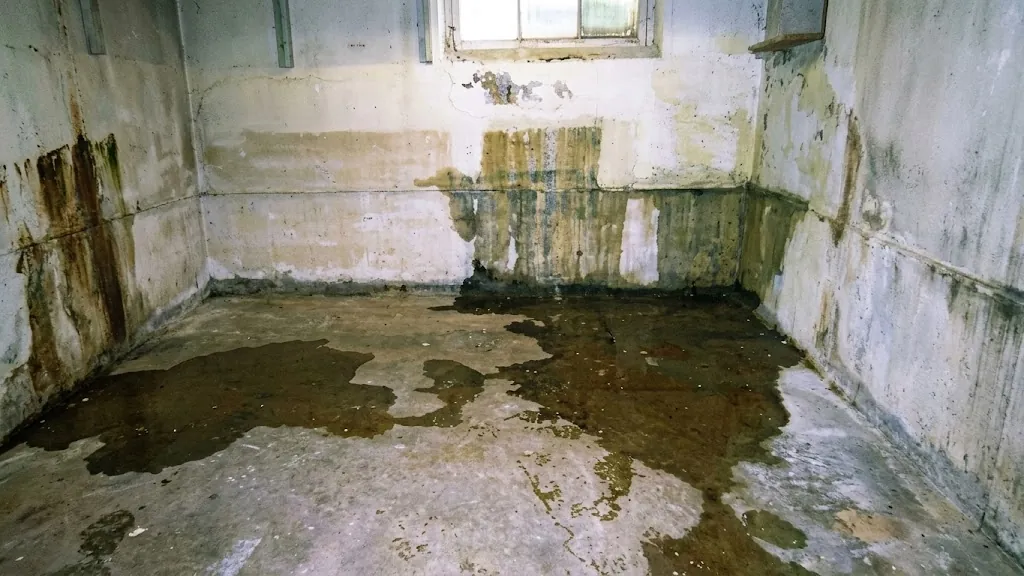
Commercial plumbing leak detection Nashua New Hampshire covers supply lines, drain lines, and fixtures. We check faucet cartridges, toilet seals, and water heater parts alongside the hidden pipework. One visit, full picture of your plumbing health.
View service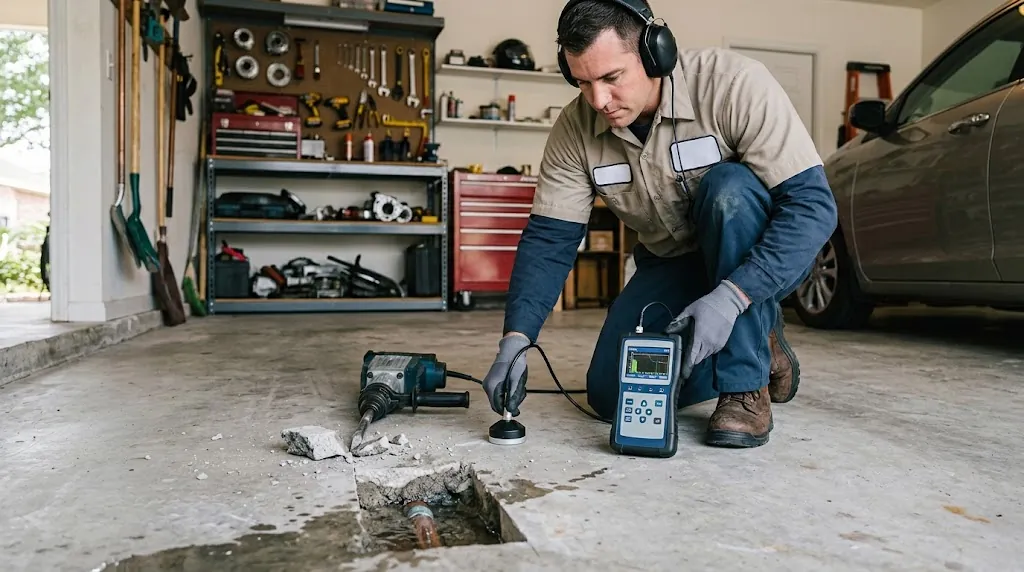
Call 603 571 4078 any hour, day or night, and a real person answers. We schedule same-day appointments for most leak calls in Nashua and the surrounding Hillsborough County area, and we confirm your window before we roll a truck.