Focused arrival windows
Useful updates and clear arrival timing.
Residential leak detection Nashua NH starts with a real diagnosis, not a guess. We use thermal imaging cameras and acoustic listening devices to find hidden pipe leaks, slab leaks, and underground water line leaks behind walls and under floors. If you have seen a spike on your water bill or a warm spot on the floor, call 603 571 4078. Same-day home leak detection in Nashua, seven days a week.
Useful updates and clear arrival timing.
Review the approach and price before deciding.
Equipped vehicles and respectful cleanup.
Neighbors serving neighbors with follow-through.
Every visit starts with a full diagnostic sweep and ends with a marked location and a repair quote. Here is what is covered in the standard price, and what we quote separately if the repair turns out to be bigger than expected.
We walk the house with a moisture meter and thermal imaging camera, checking baseboards, ceilings, cabinet floors, and the water heater pan. This takes 30 to 45 minutes and tells us which rooms are wet and which are dry.
We isolate sections of copper pipe, PEX tubing, and PVC pipe with pressure testing gauges and watch for a drop. A bleeding section narrows the leak to one run, which saves time and keeps us from opening the wrong wall.
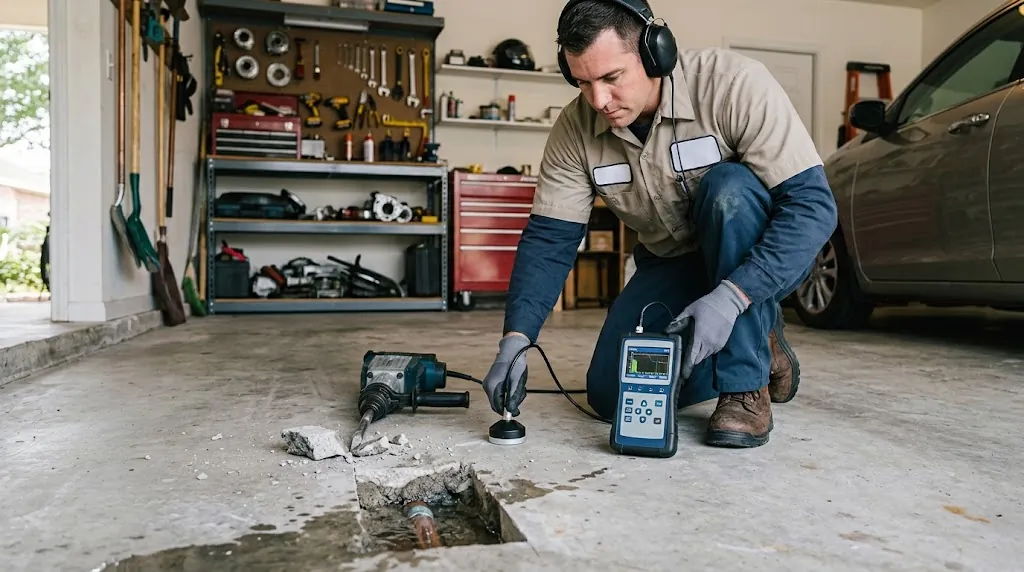
Acoustic listening devices and ultrasonic leak detectors pick up the sound of escaping water. FLIR thermal imaging cameras show the temperature signature. Together they mark the leak within about 6 inches before any cutting starts.
You get the marked location, thermal images, moisture readings, and a repair quote in writing. If you want a second opinion or want to file an insurance claim, the report has what you need. No pressure to hire us for the repair.
Share what is happening and receive a clear next step from the local team.
Residential leak detection Nashua NH is a diagnostic service that locates hidden water, gas, and sewer leaks inside a home before any wall, floor, or yard gets opened up. We pressurize the line, then sweep it with acoustic listening devices, thermal imaging cameras, and tracer gas detectors to hear or see where water is escaping. Moisture meters confirm the reading. A pipe inspection camera handles drain and sewer lines. You get a marked location and a written report before we cut anything.
Nashua homes deal with real leak pressure. Copper pipe from the 1950s and 1960s has pinhole failures. PEX tubing in newer builds can fail at fittings. Frost depths near 4 feet push underground water line leaks to the surface each spring. We handle home leak detection Nashua calls in French Hill triple-deckers, Crown Hill colonials, and Mine Falls ranches, and we know how to find a water leak in my Nashua house without ripping out a finished basement.
You call 603 571 4078 and describe what you see: a spike on the bill, a warm floor spot, a dripping sound, or a wet patch in the yard. We ask about your home's age, pipe material, and water heater type. That takes 5 to 10 minutes and tells us which tools to load.
A licensed technician walks the house with a moisture meter and thermal imaging camera, checking baseboards, ceilings, and the water heater pan. We isolate the system by shutting valves one at a time. Most surveys take 30 to 45 minutes before we narrow the search zone.
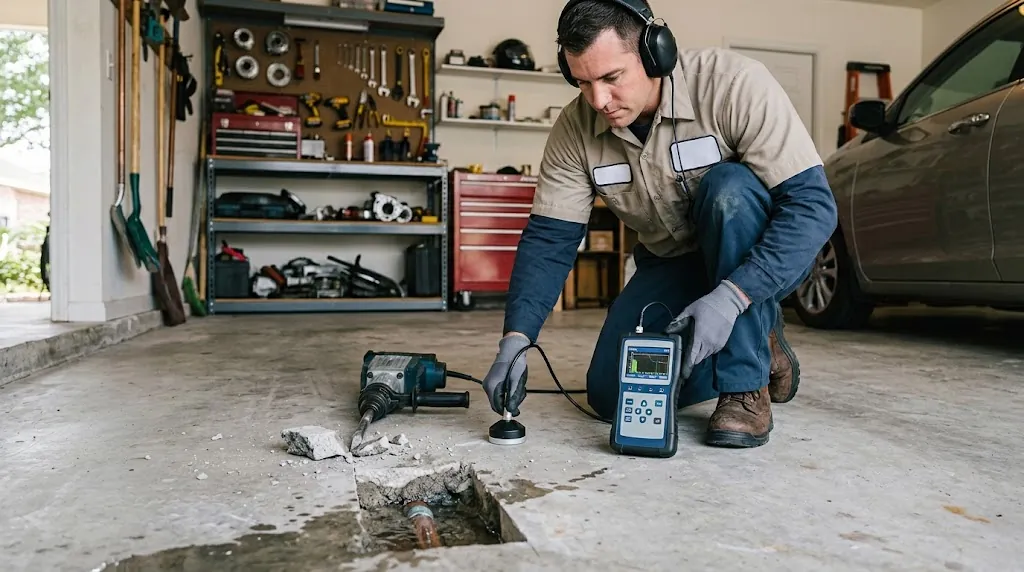
We pressurize the suspect line and sweep it with acoustic listening devices and ultrasonic leak detectors. For underground water line leaks we add tracer gas detectors. A pipe inspection camera goes into drains and sewer lines. This stage usually runs 45 to 90 minutes and ends with a marked spot on the floor or wall.
We show you the thermal images, the moisture readings, and the marked location, then quote the repair. You get the price before we open anything. If it is a faucet cartridge or toilet flapper, we often fix it on the spot the same visit.
We cut the smallest access needed, repair the copper pipe, PEX tubing, or PVC pipe, and seal it with the correct fitting and pipe sealant. Then we re-pressurize the line and hold it to confirm zero drop. You get a final moisture reading and a short list of what to watch.
Show temperature differences caused by escaping water behind walls, under floors, and above ceilings. First tool out of the truck on most calls.
Pick up the sound of pressurized water escaping a copper pipe, PEX tubing, or PVC pipe. Used to mark leaks within about 6 inches.
Find hard-to-locate leaks in underground water lines and under slabs by tracking a safe tracer gas to the escape point.
Isolate a section of pipe and confirm whether it holds pressure. A drop tells us the leak is in that run and narrows the search.
Show the inside of drain and sewer lines so we can see cracks, root intrusion, and offset joints instead of guessing.
Confirm wet drywall, framing, and subfloor. A reading above 16 percent means the material is wet and needs a dry-out plan.
Hear high-frequency sound from small gas and air leaks that the human ear misses. Useful on gas line leaks and compressed air systems.
We close valves one at a time and watch the gauge on the isolated run. A section that bleeds pressure holds the leak. This method cuts a whole-house search down to one line in under 30 minutes on most Nashua homes.
We overlay the thermal image with the acoustic reading to confirm the leak location. When both tools point to the same spot, our confidence is high enough to cut. This is the standard approach for hidden pipe leaks behind finished walls.
For underground water line leaks and slab leaks, we introduce a safe tracer gas into the line and sweep with a Sewerin detector. It finds breaks that acoustic gear alone cannot isolate, especially on buried runs.
A pipe inspection camera goes into drains and sewer lines to show cracks, root intrusion, and offset joints. We record the footage and share it with you so you can see exactly what we see.
We run a pre-purchase leak detection inspection covering supply lines, drains, the water heater, and the slab. It takes about 90 minutes and includes a written report you can use in negotiations. You walk into closing knowing whether the copper pipe is sound or whether a $3,000 repipe is coming. That knowledge usually pays for the inspection several times over.
We dispatch a licensed technician, usually within 60 to 90 minutes. He isolates the line, stops the water, and makes the repair or a safe temporary fix until morning. Water stops before it reaches the ceiling below. You get a written report for your insurance carrier and a permanent repair scheduled the same week.
We sweep with a moisture meter and thermal imaging camera, then pressure test each run. Acoustic listening devices narrow the leak to a marked spot within about 6 inches. You get a marked location and a repair quote the same day. Most homeowners see the bill return to normal within one billing cycle after the fix.
We use tracer gas detectors and acoustic gear to find the underground water line leak without trenching the whole yard. We mark the spot and excavate one small hole. The leak gets repaired in a day, the yard recovers, and you avoid the foundation washout that comes from months of underground water.
Nashua sits in Hillsborough County with frost depths near 4 feet, and that single fact drives most of our winter and spring work. Copper pipe in 1950s and 1960s homes around French Hill and Crown Hill develops pinhole leaks as it ages. PEX tubing in newer builds on the city's west side fails at fittings more often than in the pipe itself. Each October we start getting frozen pipe calls, and each March we get a wave of underground water line leaks as the ground thaws and pushes water to the surface. We know the housing stock block by block, from the triple-deckers on Tree Streets to the ranches near Mine Falls. If you are searching for home water leak detection in Nashua 24/7, we run emergency calls every night of the week. We also work with the city's backflow prevention requirements, and our technicians hold the Backflow Prevention Certification needed for those tests. Most residential leak detection Nashua NH visits finish in under two hours, and we quote the repair before we cut.
Dense triple-decker housing with original copper pipe. Pinhole leaks in shared walls are common, and we use acoustic gear to isolate which unit the leak is in.
Older colonials with finished basements. Slab leaks and hidden pipe leaks behind plaster walls are the most frequent calls we get here.
Newer construction with PEX tubing. Fitting failures and water heater leaks dominate, and thermal imaging finds them fast behind drywall.
Ranch homes on larger lots with long underground water service lines. Spring thaw brings a spike in underground water line leaks here.
Buried water lines sit below the frost line, but shallow service lines can freeze and split. We see a burst pipe spike every January and February.
Underground water line leaks surface in March and April as the ground thaws. Tracer gas detection is the fastest way to find them without trenching.
Pinhole leaks develop in copper pipe after 50 to 60 years. Pressure testing and acoustic gear isolate the failing run before it soaks a wall.
We hold Backflow Prevention Certification and test assemblies to code. Leak detection and backflow testing often get scheduled on the same visit.
A Crown Hill homeowner saw the water bill jump from $70 to $180 in one month with no visible leak. A moisture meter sweep showed wet drywall behind the kitchen, and pressure testing confirmed a pinhole in the copper pipe.
We marked the leak within 4 inches using acoustic gear, cut one 12-inch access panel, and repaired the copper pipe the same visit. The final moisture reading dropped to normal within 48 hours, and the next bill came in at $74.
Maintenance: Keep an eye on the water bill each month. A jump of more than 20 percent with no change in habits means it is time to call us back for another sweep.
A warm spot on the basement floor had been growing for three weeks. Thermal imaging showed a 3-foot heat signature, and pressure testing confirmed the under-slab line was losing pressure. The homeowner was quoted $6,000 for exploratory demolition by another contractor.
We used acoustic listening devices and tracer gas to mark the break within 6 inches. One 12-inch concrete cut, one coupling repair, and the line held pressure at 80 psi. Total repair came in under $1,400.
Maintenance: Watch for the warm spot returning. If the floor stays cool through the next heating season, the repair is holding.
A soggy patch in the yard never dried, even through a dry August. The homeowner's water bill was up 40 percent. We used tracer gas detectors and acoustic gear to find the break 18 inches below grade, about 22 feet from the foundation.
We excavated one 3-foot hole, replaced the failed section of water line, and pressure tested the run at 80 psi. The yard was back to normal within two weeks, and the water bill returned to its normal range the next cycle.
Maintenance: Mark the repair spot with a stake or paver so future digging avoids the line. Have the run pressure tested every three years.
Most calls we get fall into a handful of patterns. Here are the ones we see most often in Nashua, and what happens if you let them run.
A hidden pipe leak or a running toilet can waste 200 gallons a day. Left alone for a month, that is 6,000 gallons and a bill that keeps climbing. We sweep the house with a moisture meter and thermal imaging camera, then pressure test the suspect line. Most hidden leaks get marked within 90 minutes. If it is a toilet flapper or faucet cartridge, we fix it on the spot.
A slab leak heats the floor above it and can undermine the footing over one winter. Ignoring it usually means a bigger concrete cut later. We pressure test the under-slab line and use acoustic listening devices to isolate the break. Most slab repairs need one 12-inch access point. We mark it, quote it, and repair it the same visit when possible.
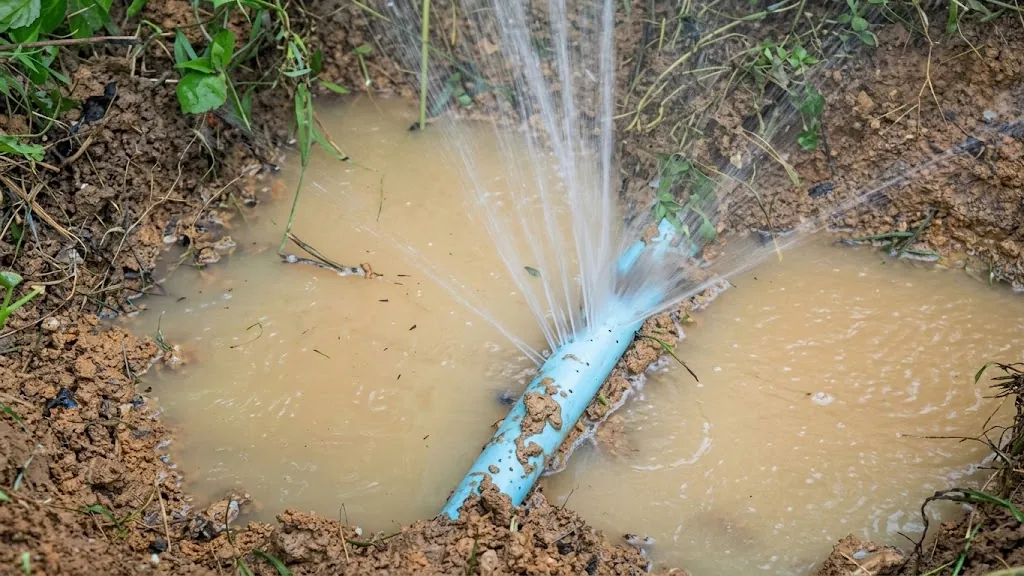
An underground water line leak washes out soil and can shift a walkway or driveway. In Nashua, frost depths near 4 feet push these leaks to the surface each spring. We use tracer gas detectors and acoustic gear to find the break without digging up the whole yard. We mark the spot, then excavate one small hole to reach the repair. Most jobs finish in a day.
A foundation leak or footing drain failure keeps the wall wet, and mold colonizes within 24 to 48 hours. The smell is the last symptom, not the first. We map the moisture with thermal imaging cameras and moisture meters, then trace it to a crack, a drain, or a plumbing line running through the wall. You get a dry-out plan and a repair quote.
Nashua LeakDetectors has been in business since 2010, and we have spent 16 years chasing leaks through Hillsborough County housing stock. Our technicians hold a NH Master Plumber License and Backflow Prevention Certification, and we train on RIDGID, Fluke, FLIR, and Sewerin equipment every year. We have worked slab leaks in Bicentennial ranches, gas line leaks in North End triple-deckers, and underground water line leaks on Amherst Street lots. That repetition is why we can usually name the likely culprit before we pull a tool out of the truck.
Our water bill doubled in one month and we had no idea why. The technician swept the house with a thermal camera and found a pinhole in the copper pipe behind the kitchen wall in about 40 minutes. He marked it, cut one small panel, and had it repaired the same afternoon. Bill went back to normal the next cycle.
We had a warm spot on the basement floor for weeks and kept putting it off. They pressure tested the slab line, used acoustic gear, and found the break within 6 inches of where they marked it. One small cut in the concrete, one repair, done. I wish we had called two months earlier.
Called at 11 p.m. with water coming through the ceiling from a failed water heater fitting. They had a licensed tech at the house in about 75 minutes. He isolated the line, stopped the water, and came back the next morning to replace the parts. Straight pricing, no runaround.
Most residential leak detection Nashua NH jobs run $180 to $450 in 2026, depending on how many systems we test and whether the leak is above or below ground. Slab and underground water line leaks sit at the top of that range because they need tracer gas and acoustic gear. We quote the price before we start, and we credit part of the diagnostic fee toward the repair when you hire us.
Home leak detection in Nashua includes a full walk-through with a moisture meter and thermal imaging camera, pressure testing of the suspect line, and acoustic or tracer gas locating to mark the break. You get the marked location, thermal images, and a repair quote. We also check the water heater, toilets, and faucets for easy wins like a failed flapper or cartridge.
Yes. Thermal imaging cameras, acoustic listening devices, and ultrasonic leak detectors find hidden pipe leaks behind walls and under slabs without demolition. We mark the leak within about 6 inches, then cut one small access panel instead of opening a whole wall. Most homes need no more than a 12-inch opening to reach the repair.
We do. Emergency residential leak detection in Nashua New Hampshire is available 24/7, including weekends and holidays. Call 603 571 4078 and we dispatch a licensed technician, usually within 60 to 90 minutes for active water. Burst pipes, failed water heater tanks, and gas line leaks get priority over routine appointments.
Not seeing your question? Our local team can help you understand urgency, scheduling and what to expect.
Ask the local team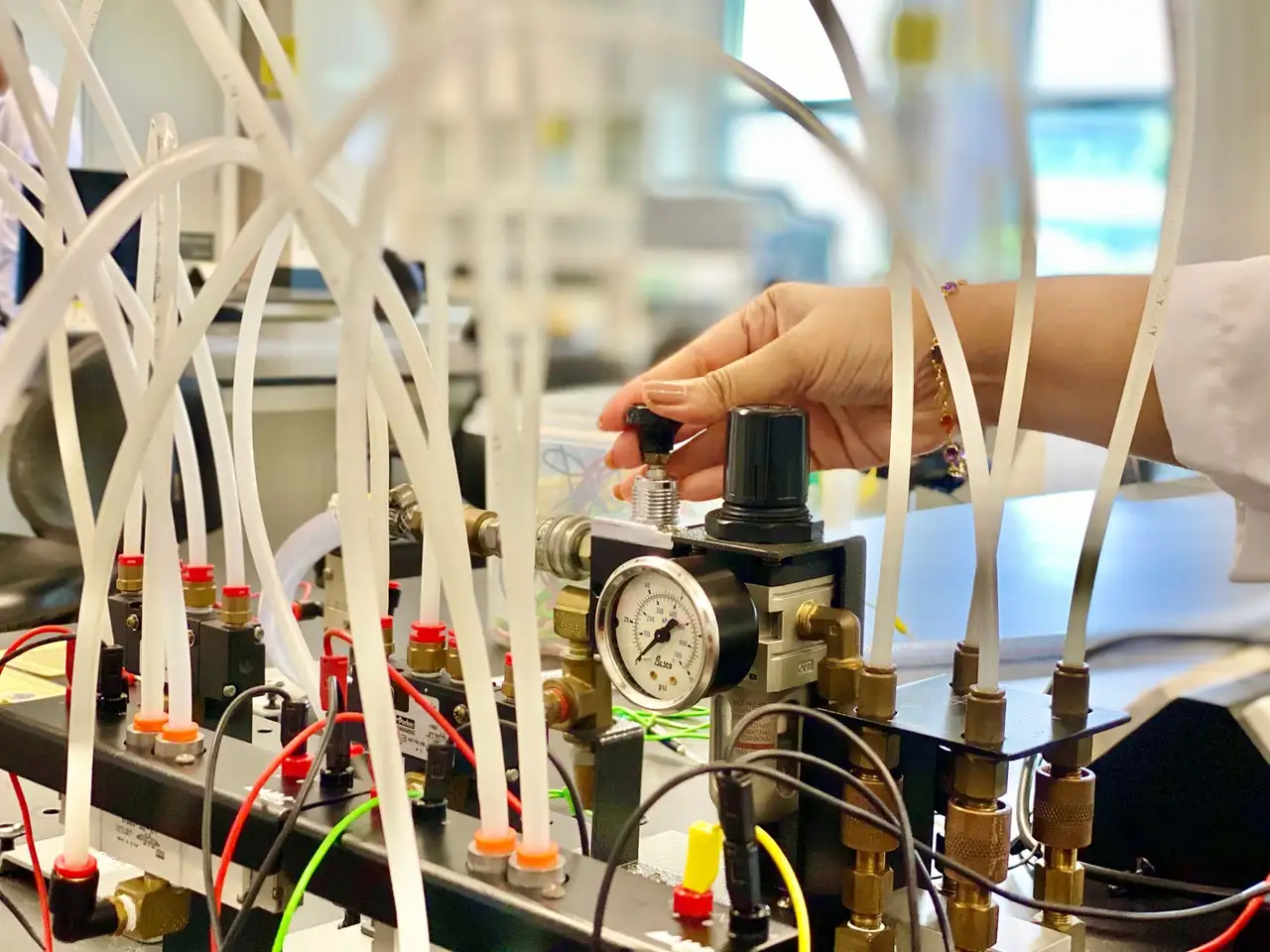
The same acoustic and thermal tools we use for residential leak detection Nashua NH scale up to restaurants, offices, and retail on Main Street. We work after hours so your business stays open, and we document everything for your insurance carrier.
View service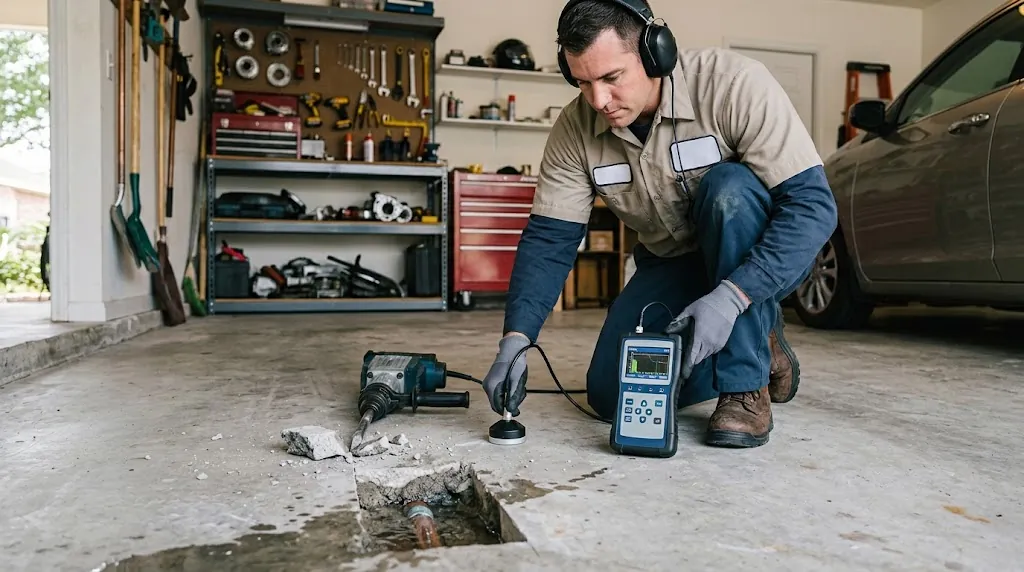
Slab leaks show up as a warm spot on the floor or a water bill that jumps overnight. We pressure test the under-slab line and use acoustic gear to isolate the break before any concrete comes up. Most slab repairs need one 12-inch access point.
View serviceA pool losing more than 2 inches of water a week has a leak. We use pressure testing and dye testing on the shell, fittings, and plumbing runs. Nashua pools close in October, so fall is the right time to catch a leak before winter freeze damage.
View service
Supply lines, drain lines, and vent stacks all fail with age. We trace plumbing leaks through copper pipe, PEX tubing, and PVC pipe with pipe inspection cameras and pressure testing gauges. You get a marked location and a same-visit repair quote.
View serviceCall 603 571 4078 any hour, day or night, and a real person answers. We schedule same-day appointments for most leak calls in Nashua and the surrounding Hillsborough County area, and we confirm your window before we roll a truck.