Focused arrival windows
Useful updates and clear arrival timing.
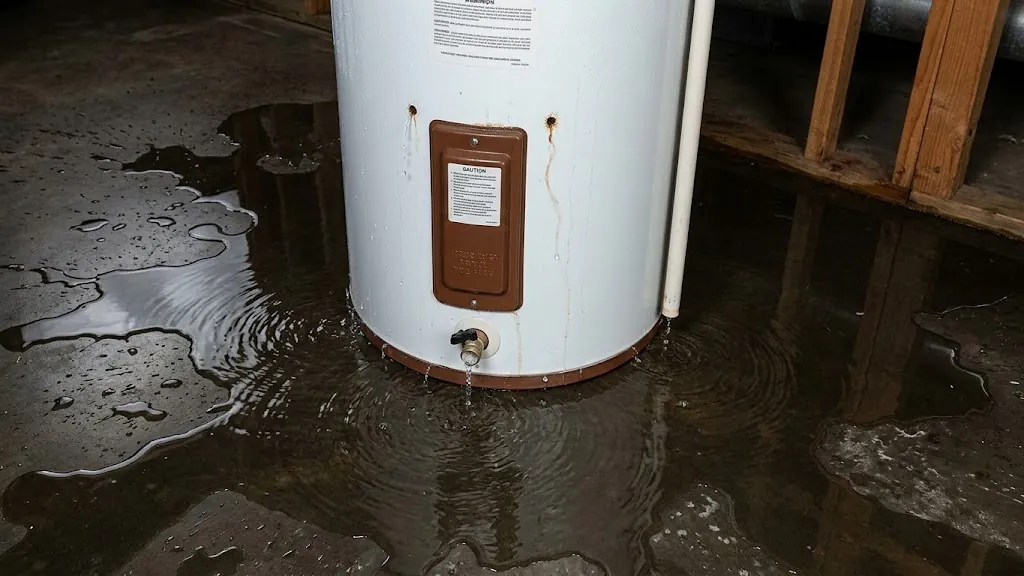
When you need plumbing leak detection Nashua NH homeowners and businesses rely on, our licensed team pinpoints hidden pipe leaks with thermal imaging and acoustic listening devices. We serve Hillsborough County from Downtown Nashua to the North End, handling everything from slab leaks to failing water heater parts. If your water bill jumped or you spot moisture on a wall, call 603 571 4078 and we will find it.
Useful updates and clear arrival timing.
Review the approach and price before deciding.
Equipped vehicles and respectful cleanup.
Neighbors serving neighbors with follow-through.
Every plumbing leak detection Nashua NH visit includes a full system check, electronic detection, and a written summary. The repair is quoted separately so you can decide on the spot. Here is what you get.
We check the meter, every visible supply line, all fixtures, the water heater, and the main shut-off valve. You get a clear picture of your plumbing's condition, not just the one leak you called about.
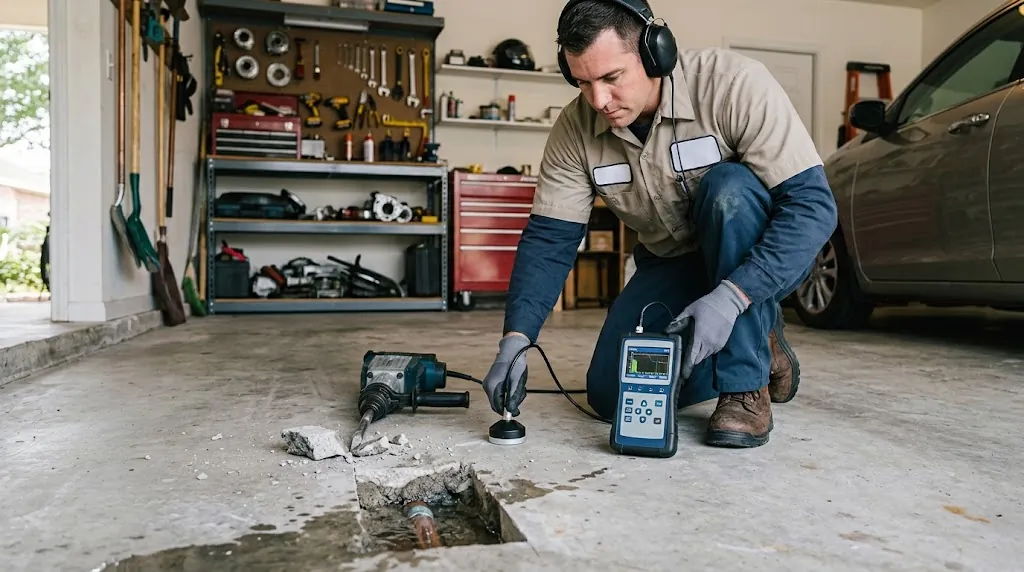
Acoustic listening devices, thermal imaging cameras, and pressure testing gauges are included in the detection fee. We use whatever combination gets us to the source fastest, whether it is a slab leak or a hidden pipe leak.
We mark the exact spot on the floor or wall with tape and a photo. You see where the problem is before we open anything. That way there is no question about why we are cutting there.
Once we find the leak, we give you a flat price for the repair. It covers labor, materials like copper pipe or PEX tubing, and the pressure test. You approve it before we start. No hourly surprises.
After the repair, we pressurize the line to 80 psi and hold it for 15 minutes. You watch the gauge with us. We also confirm the water meter has stopped moving before we leave.
You get a one-page report listing what we found, what we fixed, and any weak points we noticed for future planning. It is useful for insurance claims and home resale.
Share what is happening and receive a clear next step from the local team.
Plumbing leak detection Nashua NH is the process of locating water escaping from pipes, fixtures, or supply lines without tearing your home apart. We use acoustic listening devices, thermal imaging cameras, and pressure testing gauges to trace the leak to its source. Once we know exactly where it is, we repair it with copper pipe, PEX tubing, or the right fitting for your system. No guesswork, no unnecessary demolition.
Nashua's older housing stock, especially around French Hill and Crown Hill, still runs on original copper and galvanized lines that pinhole after decades of freeze-thaw cycles. A hidden pipe leak in one of these homes can soak a ceiling for weeks before you notice. If you are searching for plumbing leak detection near me Nashua NH, we cover the whole city and can usually be on-site the same day you call.
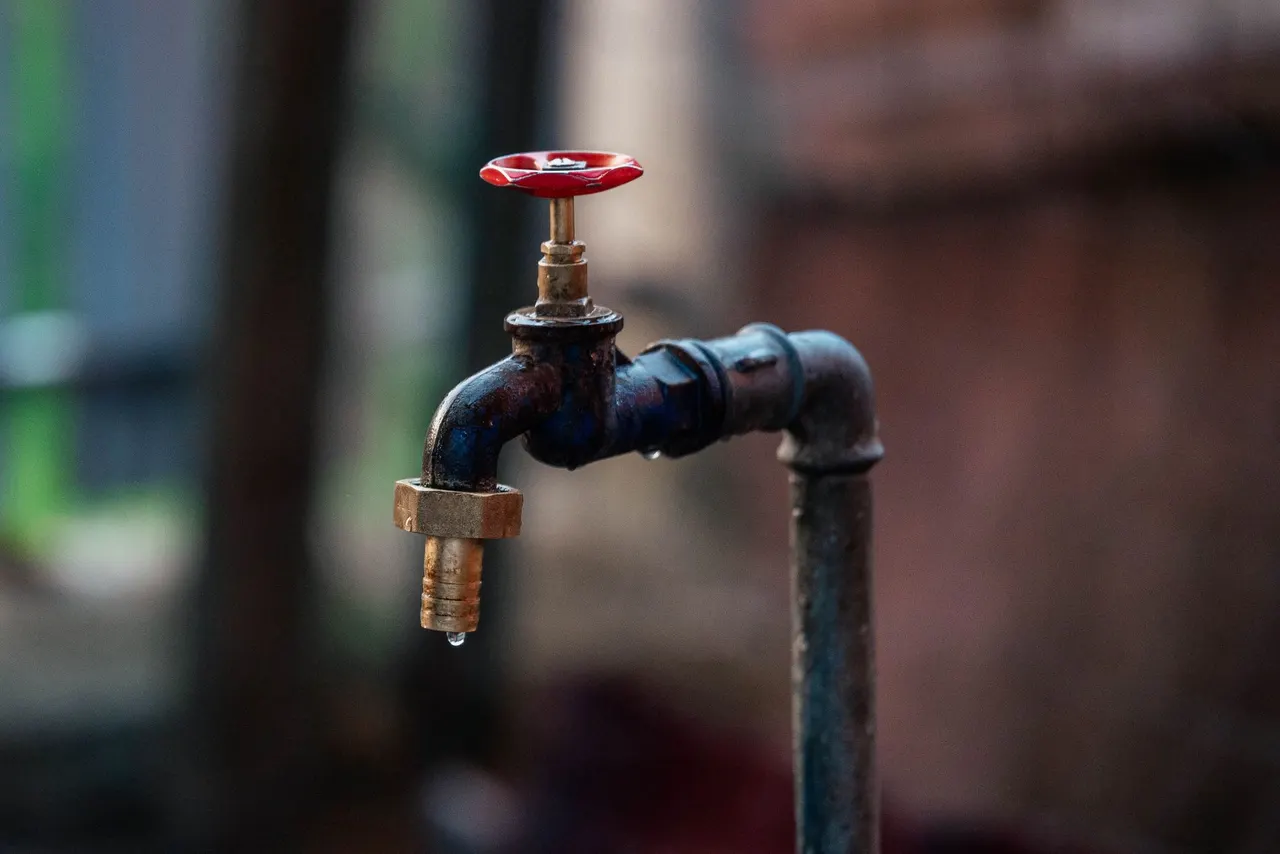
Tell us what you are seeing: a spike in the water bill, a warm spot on the floor, a musty smell, or water staining a ceiling. We ask a few questions to narrow the likely source before we roll. Most calls are scheduled within 2 to 4 hours.
Our licensed technician walks the property with you, checks the meter, and inspects every visible supply line, fixture, and water heater part. We note the age of your piping and any prior repairs. This takes about 20 minutes.
We deploy acoustic listening devices, thermal imaging cameras, and pressure testing gauges to isolate the leak. For slab leaks or underground water line leaks, we may use tracer gas detectors or pipe inspection cameras. Detection usually runs 45 to 90 minutes.
Once we mark the leak, we repair it with the correct material: copper pipe, PEX tubing, or PVC pipe. We pressure-test the line to 80 psi and hold it for 15 minutes. You watch the gauge with us so there is no doubt.
We clean the work area, restore any access panel, and give you a written summary of what we found and fixed. If we spotted a second weak point, we flag it now so you can plan ahead. No surprise charges after the fact.
We place these on walls, floors, and pipe runs to hear the sound of water escaping under pressure. They narrow a search area from a whole house to a single square foot.
These read temperature differences through tile, drywall, and concrete. A hot-water leak shows as a warm streak; a cold supply leak shows as a cool patch. No demolition needed to see it.
We inject a safe tracer gas into a line and sniff for it at the surface. This works on underground water line leaks and slab leaks where acoustic gear alone cannot pinpoint the break.
A camera on a reel goes inside drains and supply lines to show cracks, root intrusion, and separated joints. You see the footage on the monitor with us.
We isolate a section, pressurize it to 80 psi, and hold it for 15 minutes. If the gauge drops, there is a leak. We use the same gauge to prove the repair holds.
These read water content in drywall, wood, and concrete. They tell us how far moisture has spread and whether a cavity is dry enough to close up after repair.
Our trucks carry Milwaukee and DeWalt cordless saws, drills, and presses for cutting and fitting pipe. That means faster repairs and less noise in your home.
We close valves to isolate one section of plumbing, then pressurize it to 80 psi. If the gauge drops, the leak is in that section. We repeat until the leak is cornered. This is the backbone of our detection process.
We walk the property with a FLIR camera, scanning floors, walls, and ceilings for temperature anomalies. A leak shows up as a distinct warm or cool signature. This method finds hidden leaks without opening anything.
For underground lines and slab leaks, we fill the suspect pipe with a safe tracer gas, then sweep the surface with a Sewerin detector. Where the gas escapes, the leak is. It is accurate to within a few inches.
Two sensors placed on the pipe at different points pick up the leak sound. The equipment calculates the distance to the leak based on the time difference. This is how we find leaks under slabs and driveways.
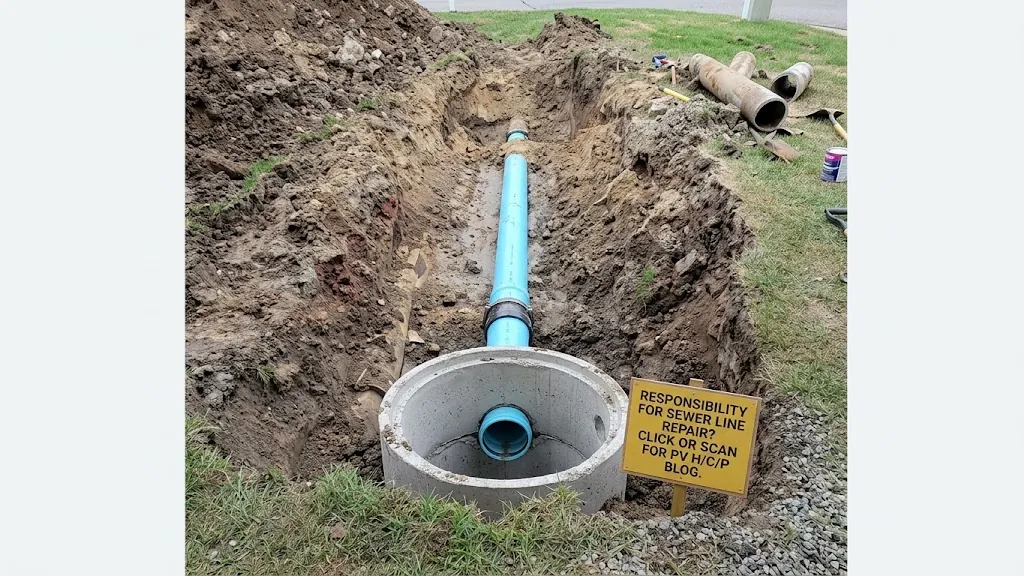
That sound is a leak under pressure. We shut the main, isolate sections with pressure testing gauges, and use acoustic listening devices to find the exact spot. Most cases are diagnosed in under an hour. You get the leak repaired and the sound gone. Your water bill drops back to normal the next cycle.
We treat water heater leaks as priority calls. A technician checks the tank, fittings, and water heater parts, then tells you whether it is a repair or a replacement. We carry common parts on the truck. You either get a same-day repair or a clear replacement quote. No holiday weekend with a cold shower.
Our leak detection inspection checks supply lines, drains, fixtures, and the water heater. We use moisture meters and thermal imaging to find hidden issues before you close. You get a written report with photos. You know exactly what you are buying. If we find a leak, you have leverage to negotiate the repair.
Frozen pipes are a Nashua reality. We run 24/7 emergency plumbing leak detection Nashua New Hampshire calls. We shut the water, find the split, and repair the section with copper or PEX. Water is back on and the damage is contained. We document everything for your insurance claim.
Nashua's plumbing tells a story of eras. Downtown and the Tree Streets have 1890s mill housing with original galvanized lines that pinhole and corrode. The Amherst Street Area and Nashua Highlands have post-war ranches with copper under the slab. New construction near the Nashua Mall Area uses PEX, which fails at fittings more often than mid-pipe. We adjust our detection approach to the era of your home. Winter is our busiest season. When temperatures drop below 10 degrees, pipes in exterior walls and unheated crawl spaces freeze and split. We run 24/7 emergency plumbing leak detection Nashua New Hampshire calls from December through March. If you need help learning how to find a plumbing leak in Nashua before it bursts, we can walk you through the meter test over the phone. Our technicians know the Hillsborough County code requirements and pull permits when a repair triggers one. We work in ZIP codes 03060, 03062, 03063, and 03064 daily, and we know which neighborhoods have the oldest infrastructure.
Many homes here still have original galvanized supply lines. Pinhole leaks are common, and we use acoustic gear to find them inside finished walls.
Post-war capes with copper under the slab. Slab leaks show up as warm spots on the floor. We use thermal imaging to confirm before cutting.
Mixed-use buildings with commercial plumbing above residential units. We schedule early morning detection so we do not disrupt businesses.
Larger lots with long underground water lines from the meter to the house. Tracer gas detection is our go-to here.
Newer construction with PEX tubing. Leaks here are usually at fittings or manifolds, not mid-pipe. We pressure-test each zone.
Pipes in exterior walls and crawl spaces split when water freezes and expands. We see a spike in emergency calls during cold snaps and prioritize burst lines.
These lines corrode from the inside out. Pinhole leaks are common and often hidden behind plaster. Acoustic detection is the fastest way to find them.
A high water table can mask a slab leak or make a foundation leak look like a plumbing problem. We test the plumbing first to rule it out.
Any repair that replaces more than a short section of pipe needs a permit in Nashua. We pull it and schedule the inspection so you are covered.
A homeowner in Crown Hill noticed a musty smell in the hallway and a water stain spreading on the ceiling. The water bill had climbed $60 over two months. Two other companies could not find the source without opening the ceiling.
We used a FLIR thermal camera and acoustic listening devices to trace the leak to a pinhole in a copper pipe above the hallway. We cut one 12-inch access panel, replaced the section with new copper, and pressure-tested to 80 psi. The stain stopped spreading and the bill dropped back to normal.
Maintenance: Keep an eye on the repair for the first month. If you see any new staining, call us. We warranty the workmanship and will re-check it at no charge.
A family in the Amherst Street Area felt a warm spot on their kitchen floor that grew from the size of a dinner plate to a doormat over three weeks. The tile was starting to lift. They feared a full floor replacement.
Thermal imaging confirmed a hot-water slab leak. We used a pipe inspection camera to see the break, then cut a 2-foot section of slab, repaired the line with PEX, and pressure-tested it. The floor was patched and re-tiled in one day. The warm spot is gone.
Maintenance: Watch the water meter for a week. If it stays still with all fixtures off, the repair is holding. We recommend a follow-up pressure test at the one-year mark.
A Nashua Highlands homeowner had a soggy patch in the yard that never dried out, even in August. The water bill was up $90 a month. The line ran 120 feet from the meter to the house, and digging it all up was not an option.
We injected tracer gas into the line and swept the yard with a Sewerin detector. The leak was 18 inches from the foundation. We excavated a 3-foot square, replaced the failed section with copper, and pressure-tested to 80 psi. The yard was backfilled and reseeded the same week.
Maintenance: Keep the area clear of heavy foot traffic for a month while the soil settles. Check the meter monthly. If it creeps up again, call us for a re-scan.
Most leaks announce themselves in ways homeowners miss or misread. Here are the problems we hear about most, and what happens if you let them sit.
A hidden pipe leak or running toilet can waste 200 gallons a day. Over a month, that is $40 to $80 you are paying for water that never reaches a drain. We start at the meter, then use acoustic listening devices and moisture meters to trace the loss. Most mystery spikes are found within 90 minutes. We repair the source and show you the meter reading before and after.
A warm spot usually means a hot-water slab leak. Left alone, it rots flooring, feeds mold, and can undermine the slab. Repair costs climb fast once the subfloor is involved. Our thermal imaging cameras confirm the leak through the slab. We use pipe inspection cameras to see the break, then repair the line with minimal cutting. Most slab leaks are fixed in one day.
A stain means water has been running inside the wall for weeks. Drywall, insulation, and framing absorb it. Mold can start in 48 hours and spread through the cavity. We use moisture meters and thermal imaging to map the wet area, then pressure-test the lines above it. Once we find the pipe, we repair it and dry the cavity. You get a written report for your insurance if needed.
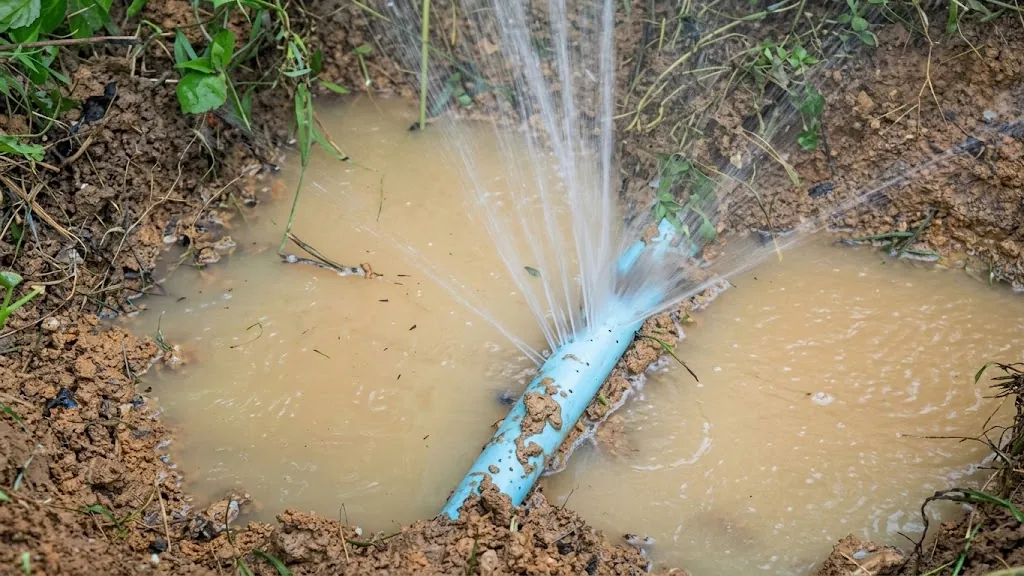
An underground water line leak can wash out soil under a driveway or walkway. It also wastes hundreds of gallons a day and can cause a sinkhole if ignored. We use tracer gas detectors and acoustic gear to pinpoint the break, then excavate one small area instead of the whole yard. We repair the line, backfill, and pressure-test before we leave.
Nashua LeakDetectors has been in business since 2010, and we have spent 16 years tracing leaks through Nashua's mix of 1890s mill housing, post-war ranches, and new construction. Our technicians hold NH Master Plumber licenses and Backflow Prevention Certification, and we train on RIDGID, Fluke, and Sewerin equipment every year. We have located slab leaks under Amherst Street Area slabs, underground water line leaks in Nashua Highlands, and gas line leaks that other companies missed. When we say we will find it, we mean it.
Our water bill jumped $70 and we could not figure out why. Nashua LeakDetectors came out, used a thermal camera, and found a pinhole leak in a copper pipe behind the kitchen wall. They had it repaired in two hours and showed us the meter stop spinning. No mess, no drama.
We manage a commercial building with a slab leak that two other companies missed. These guys used acoustic gear and tracer gas to pinpoint it under the lobby floor. They cut one small section, fixed the line, and pressure-tested it. Our tenant never lost a day of business.
Called at 6 a.m. with water coming up through the basement floor. They had a technician here by 8:30, found an underground water line leak, and had it repaired by early afternoon. Fair price, clean work, and they explained everything. I will not call anyone else.
Most residential leak detection jobs in Nashua run $180 to $450 in 2026, depending on whether we are scanning a single wall or the whole slab. Emergency calls after 10 p.m. carry a higher rate. The detection fee is separate from the repair, and we quote both before we start.
We start with a meter check and a visual walk-through, then use acoustic listening devices and thermal imaging cameras to hear and see the leak through walls and floors. For underground water line leaks we inject tracer gas and sniff it with a Sewerin detector. Pressure testing gauges confirm the repair holds.
Yes. Hidden pipe leaks behind tile, under slabs, and inside finished walls are our specialty. We use pipe inspection cameras and ultrasonic leak detectors to pinpoint the source without tearing out the room. Most hidden leaks are located within 90 minutes of arrival.
Call Nashua LeakDetectors at 603 571 4078. We are licensed, insured, and have served Hillsborough County since 2010. We handle residential plumbing leak detection Nashua and commercial work, and we can usually be on-site the same day you call.
Not seeing your question? Our local team can help you understand urgency, scheduling and what to expect.
Ask the local team
Our residential plumbing leak detection Nashua service covers single-family homes, condos, and duplexes. We check every supply line, fixture, and water heater part. If you hear water running when nothing is on, this is the service to book.
View service
Restaurants, offices, and retail spaces on Main Street District need leak detection that works around business hours. We schedule early mornings or after close, use electronic leak detection equipment, and document everything for your property manager.
View service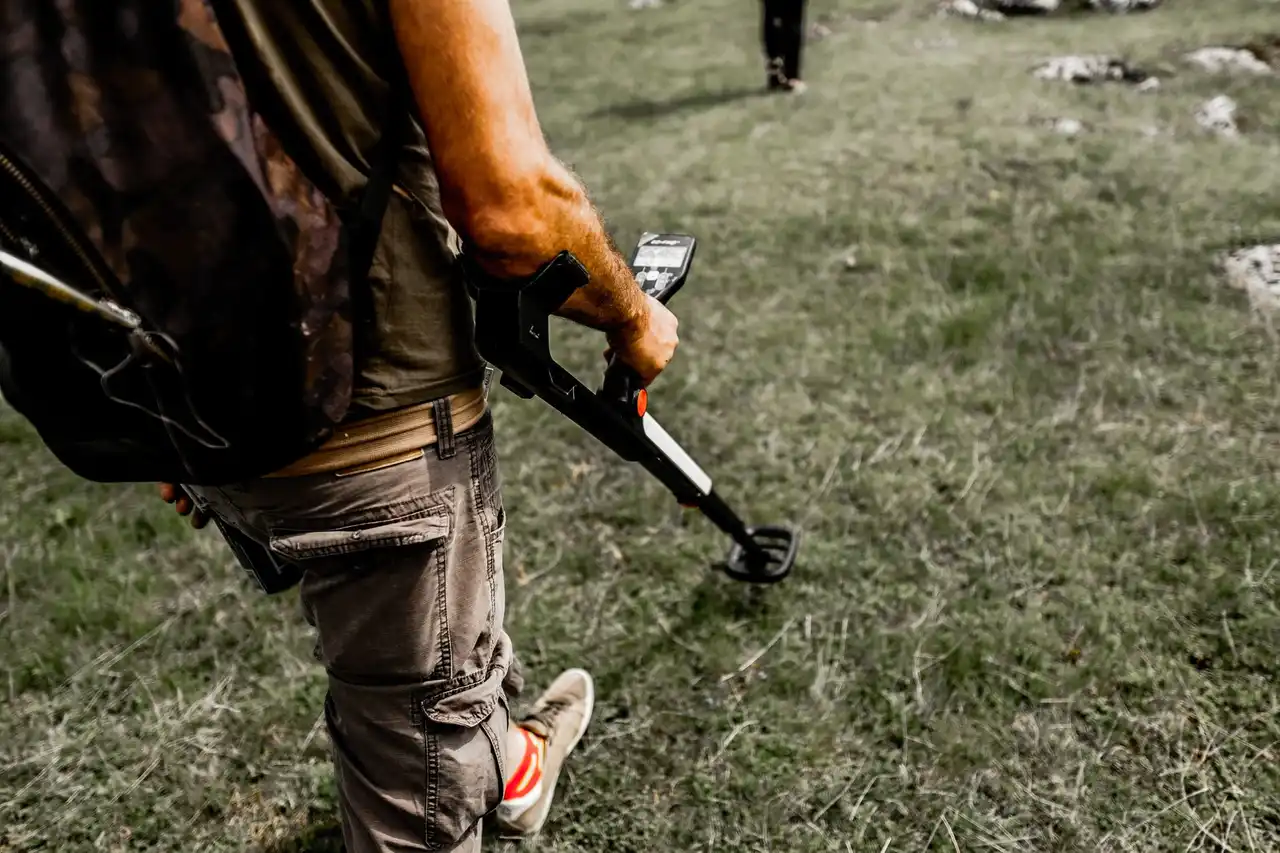
Slab leaks are common in Nashua's older ranches and split-levels. We use acoustic listening devices and thermal imaging cameras to find the break under the concrete, then repair the line with minimal cutting. Most slab repairs are done in one day.
View service
A pool losing an inch of water a day is leaking somewhere. We pressure-test the plumbing, check the skimmer and return lines, and use tracer gas detectors when needed. Nashua pool owners get a clear answer and a repair plan the same visit.
View service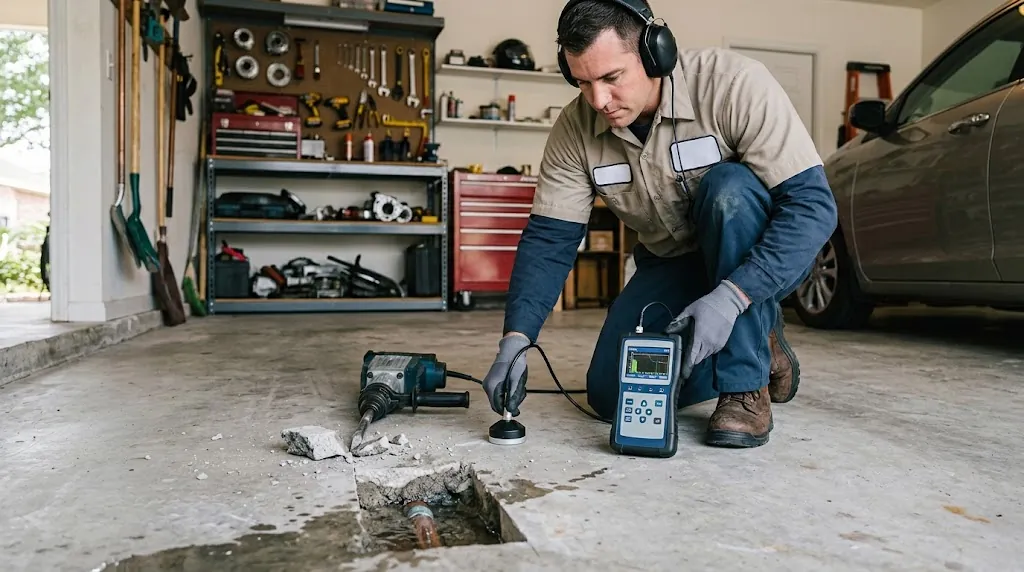
Call 603 571 4078 any hour, day or night, and a real person answers. We schedule same-day appointments for most leak calls in Nashua and the surrounding Hillsborough County area, and we confirm your window before we roll a truck.