Focused arrival windows
Useful updates and clear arrival timing.
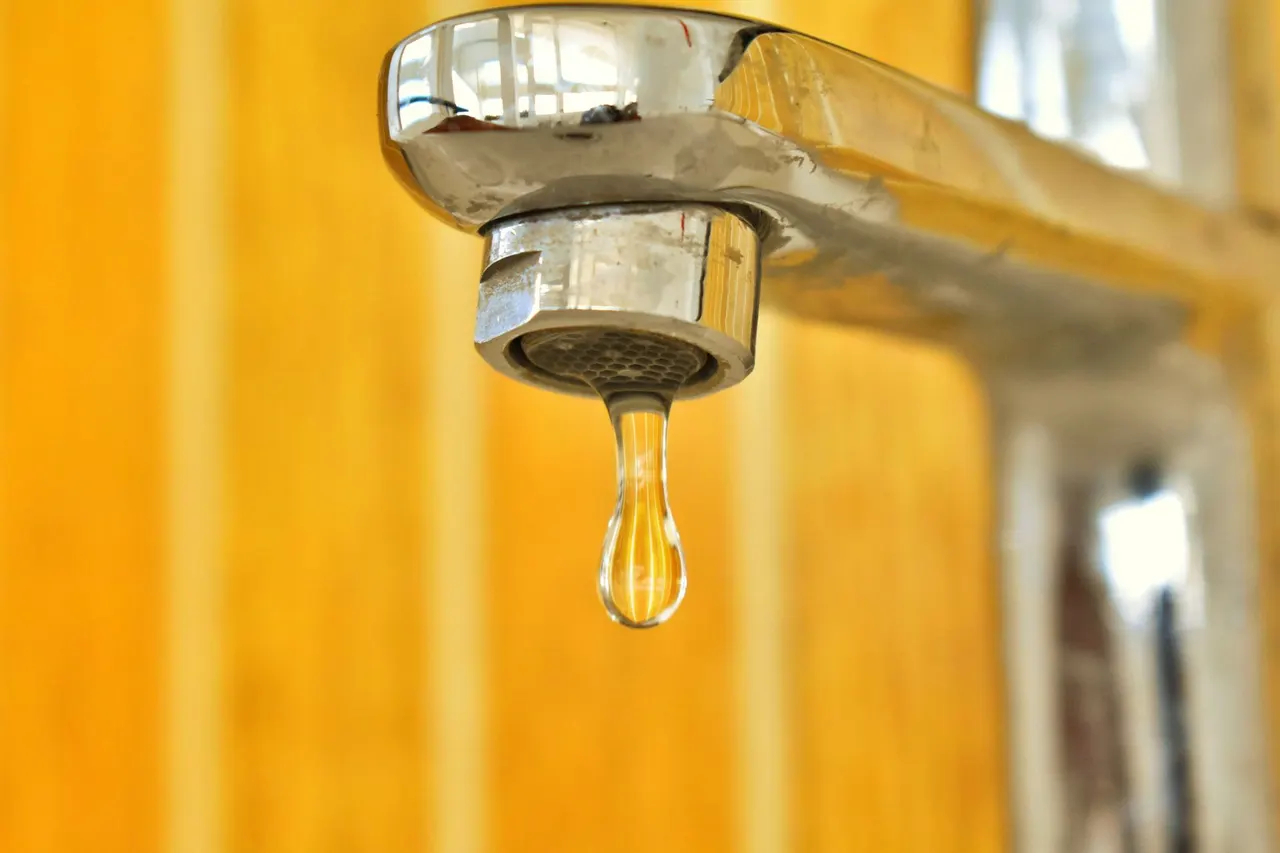
Thermal imaging leak detection Nashua NH uses infrared cameras to see water where you can't. We scan floors, walls, ceilings and slabs to pinpoint hidden pipe leaks, slab leaks and underground water line leaks without tearing your home apart. If you've got a spike in your water bill, a warm spot on the floor, or a stain that keeps coming back, our infrared leak detection in Nashua finds the source the same day.
Useful updates and clear arrival timing.
Review the approach and price before deciding.
Equipped vehicles and respectful cleanup.
Neighbors serving neighbors with follow-through.
Every scan is a full diagnostic, not a quick look. Here's what's covered in a standard visit, and what we quote separately if your job needs it.
We walk every accessible floor, wall, ceiling and slab edge with a FLIR or Fluke thermal imaging camera. The scan covers the whole house, not just the room you're worried about, because water travels along the path of least resistance.
Thermal images show us where to look. Moisture meters and acoustic listening devices confirm the leak is active and pinpoint the break. We never mark a repair spot from the camera alone, which keeps our accuracy above 95 percent.
We isolate the suspect line and pressurize it with pressure testing gauges to confirm the leak is on that run. If pressure holds, we keep looking. This step rules out false positives before you spend money on a repair.
We tape and paint the exact repair point on your floor or wall, then hand you a written report with photos, thermal images, pipe material and depth. You can share it with your insurance company or another contractor.
If you approve the repair, we carry copper pipe, PEX tubing, PVC pipe, pipe sealant and plumber's tape on the truck. Most slab leaks, pipe leaks and water heater leaks get fixed the same visit, then re-tested before we leave.
Share what is happening and receive a clear next step from the local team.
Thermal imaging leak detection Nashua NH is a non-invasive diagnostic service that uses infrared cameras to read temperature differences on surfaces, revealing where water is escaping from pipes, slabs or underground lines. Water changes the thermal signature of whatever it touches, so a FLIR or Fluke thermal imaging camera can spot a hidden pipe leak behind a wall or under a slab in minutes. We pair that scan with moisture meters, acoustic listening devices and pressure testing gauges to confirm the exact leak location before any repair begins.
In Nashua, hidden leaks are common in older housing stock around French Hill and the Tree Streets, where original copper pipe and cast iron drains have been in the ground for decades. Winter freeze-thaw cycles stress underground water lines and slab plumbing, and a small leak in January becomes a cracked slab by March. If you've been searching for thermal imaging leak detection near me Nashua NH, we cover Hillsborough County with same-day infrared scans and a written leak report you can hand to your insurance company.
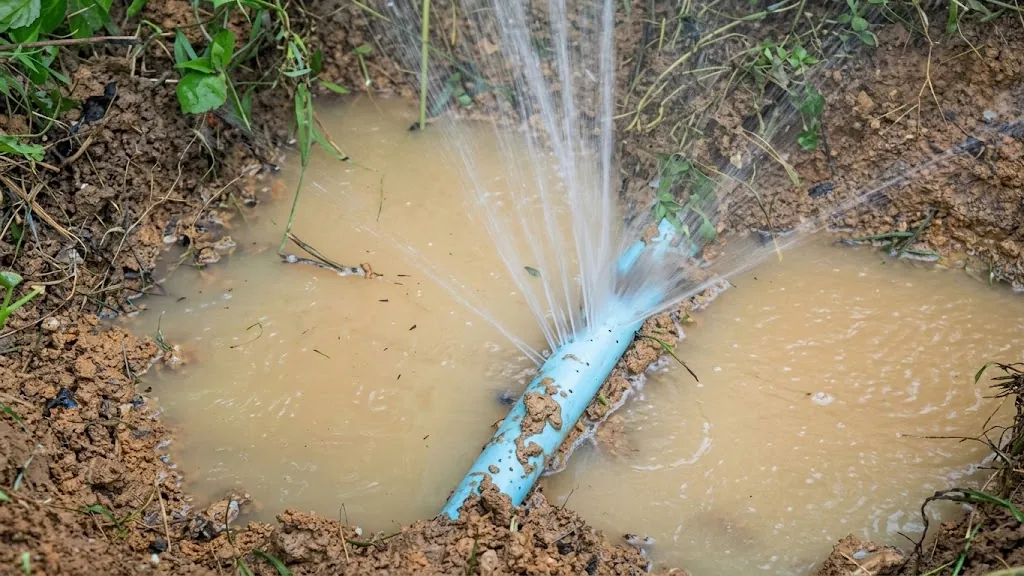
You call 603 571 4078 and describe what you're seeing: high water bill, warm floor, damp basement, running meter. We ask three or four questions to narrow the likely line, then book a same-day or next-morning window. Most Nashua calls get a technician on site within 2 to 4 hours.
We walk the house with a FLIR or Fluke thermal imaging camera, scanning floors, walls, ceilings and the slab edge. Cold or warm signatures show up as color bands on screen. This step takes 45 to 90 minutes depending on square footage and how many levels we're covering.
Thermal alone tells us where to look, not always what's leaking. We follow up with moisture meters, acoustic listening devices on the line, and pressure testing gauges on the suspect run. On underground water line leaks we may add tracer gas detectors to confirm the path.
We mark the leak location on the floor or wall with tape and paint, then hand you a written report with photos, thermal images and the recommended repair. You'll know the pipe material, the depth and the access point before anyone picks up a saw.
If you approve the repair, we fix the line the same visit when parts allow, then re-pressurize and re-scan to confirm zero leakage. You get a dry floor, a stable meter and a workmanship warranty on the repair. No return trips for the same leak.
Our primary scan tool. Reads temperature differences on floors, walls and ceilings to reveal where water is escaping. Works through tile, drywall and concrete without opening anything.
Used on commercial jobs and larger residential scans where higher resolution and wider temperature range matter. Pairs with our reporting software for clear thermal images in the written report.
Pick up the sound of water escaping a pressurized line, even through concrete. We use them to confirm the exact break point after the thermal scan narrows the area.
For underground water line leaks and gas line leaks that are too deep or too quiet for thermal alone. We inject a safe tracer gas and read it at the surface for a precise locate.
Isolate a line, pressurize it and watch for drop. This confirms the leak is on that run and rules out false positives before you approve a repair.
Run through drains and sewer lines to see the break directly. We use them on cast iron and PVC pipe to check condition and confirm the leak point.
Confirm active moisture behind walls, under floors and in ceilings. They back up the thermal image with a hard number so we know the leak is current, not old.
We scan the whole structure, not just the suspect room, because water follows the path of least resistance. The survey takes 45 to 90 minutes and produces a thermal map of every wet zone. We mark findings on the floor as we go.
After the thermal scan, we place acoustic listening devices on the suspect line and listen for the signature of escaping water. This step narrows the locate from a 12-to-18-inch area to a few inches, which keeps the repair cut small.
We shut off zones and pressurize each run with pressure testing gauges. A pressure drop confirms the leak is on that line. If pressure holds, we move to the next zone. This method eliminates guesswork.
For underground water line leaks and gas line leaks, we inject a safe tracer gas into the isolated line and read it at the surface with a detector. It's the most precise method we have for deep lines and long service runs.
Every repair follows NH plumbing code and IAPMO Certification standards. We use copper pipe, PEX tubing or PVC pipe matched to the existing system, and we re-test the line before we leave. Work is warrantied.
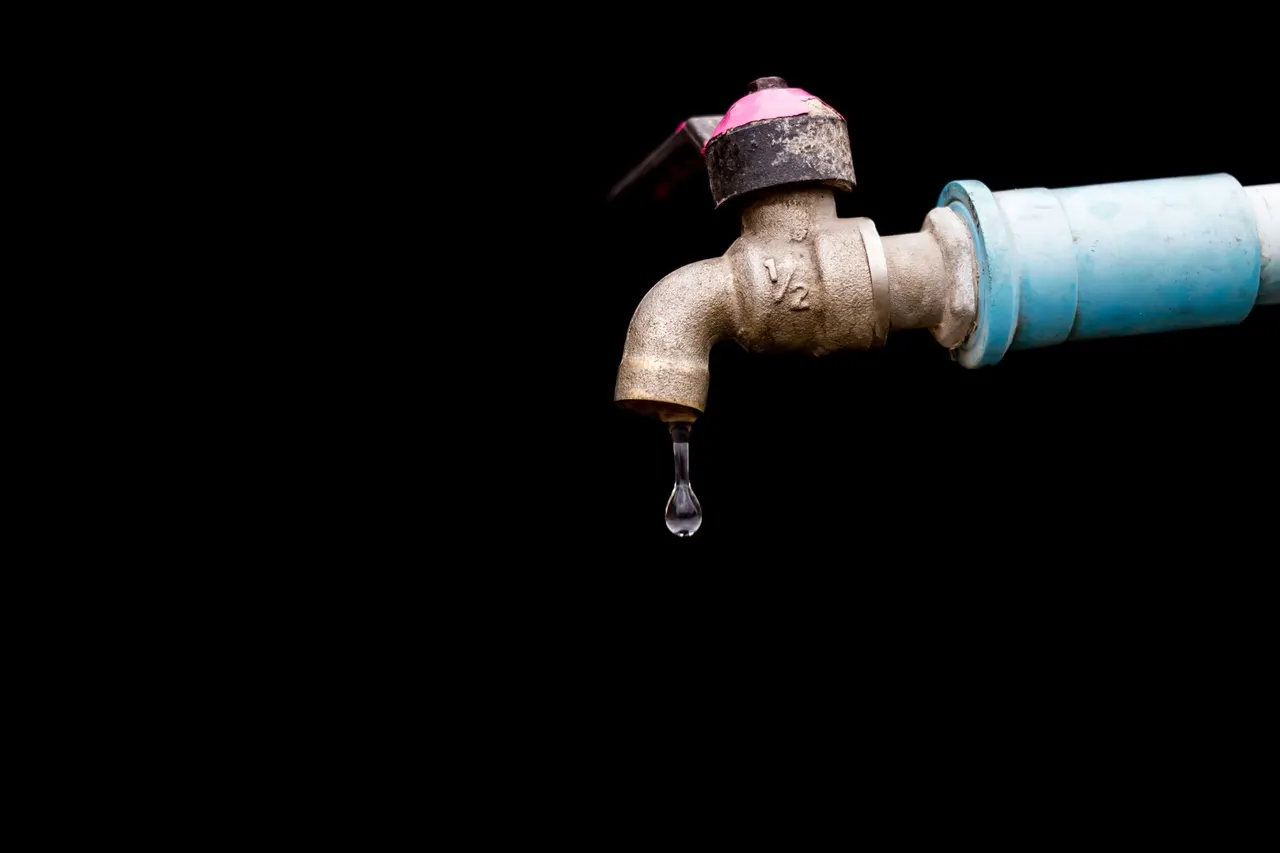
We run a full pre-purchase leak inspection with thermal imaging, moisture meters and pressure testing on the main line. The written report covers supply, drain, slab and water heater condition with photos and thermal images. You negotiate with facts, not guesses. Buyers have used our reports to knock thousands off the price or walk away from a bad slab.
We shut down the line, scan with thermal imaging to find the break, and confirm with acoustic listening devices. If it's a copper pipe or PEX tubing split, we repair it on the spot and re-pressurize to test. Water stops, the line holds pressure, and you avoid a flooded basement. Most freeze breaks are fixed in a single visit.
We scan the roof deck, attic space and ceiling cavity with infrared cameras to separate a roof leak from a plumbing leak. Moisture meters map the wet zone, and we mark the entry point for repair. You fix the right problem once. No more replacing ceiling tiles every season, and no more guessing whether it's the roof or a pipe.
We offer same-day residential scans starting at $250, and we credit part of the fee toward the repair if you hire us. The scan covers the whole house, not just one room, so we don't miss a second leak. You get the source located and a repair price the same day. Most customers see their bill return to normal within one billing cycle.
Nashua's housing stock splits into two leak profiles. Pre-1960 homes in French Hill, Crown Hill and the Tree Streets still run original copper pipe and cast iron drains, which fail at joints and pinholes after decades of Nashua's freeze-thaw cycles. Newer builds in Nashua Highlands and the Exit 8 Neighborhood use PEX tubing and PVC pipe, which fail more often at fittings and manifolds. Winter is our busiest season: frost drives down to 4 feet, and supply lines in unheated crawlspaces split when temperatures drop below 20 degrees. Spring thaw then reveals underground water line leaks as the ground settles. We factor Nashua's frost depth and soil composition into every locate, and we know which neighborhoods have slab-on-grade construction versus full basements. If you're near Mine Falls and need thermal imaging leak detection Mine Falls Nashua NH, we're usually on site within a few hours. We serve all of Hillsborough County with same-day infrared scans.
Older housing stock with original copper pipe and cast iron drains. Pinhole leaks and joint failures are common, and thermal imaging finds them behind finished basement walls.
Newer construction with PEX tubing and slab-on-grade sections. Leaks here tend to be fitting failures, and thermal imaging reads them clearly through tile and laminate.
Mixed-use buildings with shared walls and stacked plumbing. Thermal scans need to cover multiple floors because a leak on the third floor shows on the first.
Dense older homes with mature tree roots that invade sewer lines and underground water lines. We pair thermal imaging with pipe inspection cameras on most calls here.
Properties near the river see higher groundwater and soil movement. We separate plumbing leaks from groundwater intrusion with moisture meters and thermal imaging.
Supply lines in unheated crawlspaces and shallow underground runs are vulnerable to freeze splits. We prioritize emergency thermal imaging leak detection Nashua New Hampshire calls from December through March.
Underground water line leaks that started in winter show up as soggy yards and spinning meters in March and April. Thermal imaging at the foundation confirms the path before we excavate.
Cast iron drains in pre-1960 homes crack and scale, causing hidden drain leaks. Pipe inspection cameras and thermal imaging work together to locate the break without opening the whole line.
Slab leaks are harder to access but easier to locate with thermal imaging. We mark the smallest possible cut, usually 12 to 18 inches, to keep the repair contained.
A French Hill homeowner had a water bill that jumped from $60 to $180 a month and a warm spot near the kitchen sink. Two plumbers had quoted a full floor tear-out to find the leak, with no guarantee of success.
Our thermal scan found the hot-water line break under the tile in 25 minutes. We marked a 14-inch repair zone, cut the tile, fixed the copper pipe and re-tested. The bill dropped back to $62 the next cycle, and total repair cost stayed under $900.
Maintenance: We recommended a pressure test on the rest of the slab line every two years. Older copper in French Hill fails in clusters, so catching the next pinhole early saves another floor repair.
A Downtown Nashua landlord had a tenant complaining about a high water bill and a faint musty smell in the bathroom. No visible water on the floor, and the toilet seemed to flush fine. The bill had climbed for three months.
Thermal imaging showed a cold band around the toilet flange, and a moisture meter confirmed a failed wax ring. We replaced the ring and the flapper the same visit. The bill dropped by $70 a month, and the musty smell cleared within a week.
Maintenance: We told the landlord to check the flapper every six months and replace it at the first sign of a slow fill. A $15 flapper beats a $700 floor repair every time.
A homeowner in Nashua Highlands had a meter spinning with every fixture off and a soggy patch in the yard that kept growing. The line ran 60 feet from the street, and two locate attempts by other companies had missed the break.
We used tracer gas detectors and acoustic listening devices to trace the line, then confirmed the break with thermal imaging at the foundation. The leak was 38 feet from the house, not near the meter as previously assumed. We repaired the PEX tubing and re-pressurized. Meter stopped spinning the same day.
Maintenance: We marked the line path with stakes and recommended a pressure test each spring after thaw. Underground lines in this soil shift with freeze-thaw, so an annual check catches new stress points early.
Most Nashua leaks we get called for fall into a handful of patterns. Here's what they look like and what happens if you wait.
A hidden pipe leak or running toilet can waste thousands of gallons a month and quietly damage framing, insulation and drywall behind finished surfaces. We scan the whole house with thermal imaging, then confirm with moisture meters and pressure testing. Most mystery bill spikes trace to a slab leak, a toilet flapper or a water heater fitting. We mark the source and quote the repair the same day.
A warm floor usually means hot water is escaping under the slab. Left alone, it erodes soil, cracks concrete and can cost five figures to fix structurally. Thermal imaging water leak detection Nashua pinpoints the hot-water line under the slab in minutes. Acoustic listening devices confirm the break, and we mark the smallest possible cut for repair. Most slab leaks are fixed in one visit.
Moisture wicks into framing and insulation, feeding mold and rotting wood. The source is often a hidden pipe leak, not groundwater, and treating it as groundwater wastes money. We use infrared cameras and moisture meters to separate a plumbing leak from groundwater intrusion. If it's a pipe, we locate and repair it. If it's drainage, we tell you straight and point you to the right fix.
The meter doesn't lie. Something is leaking, and every day you wait adds to the bill and the damage. Underground water line leaks can run for months before the ground sinks. We isolate the main, pressure test each zone and use tracer gas detectors on underground runs. Thermal imaging backs up the locate at the foundation. You get the exact break point and a repair plan, usually the same day.
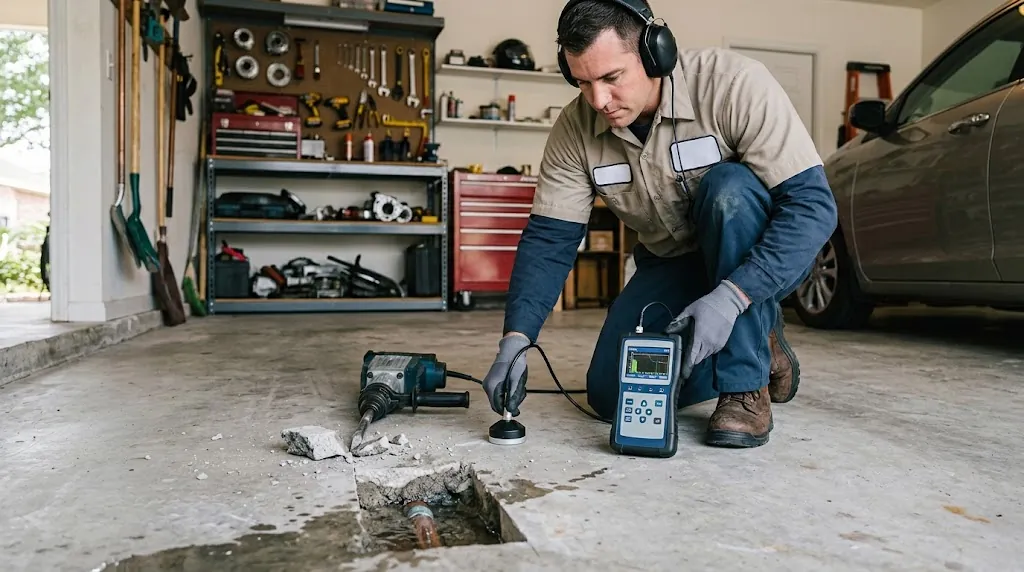
Nashua LeakDetectors has been in business since 2010, which puts us at 16 years of leak detection work across Hillsborough County. Our technicians hold a NH Master Plumber License and Backflow Prevention Certification, and we keep current on IAPMO Certification standards for pipe inspection. We've scanned thousands of Nashua homes and commercial buildings, from 1920s copper systems in French Hill to modern PEX builds in Nashua Highlands. That history means we've seen how Nashua's soil, frost depth and older plumbing fail, and we know which tool to reach for first.
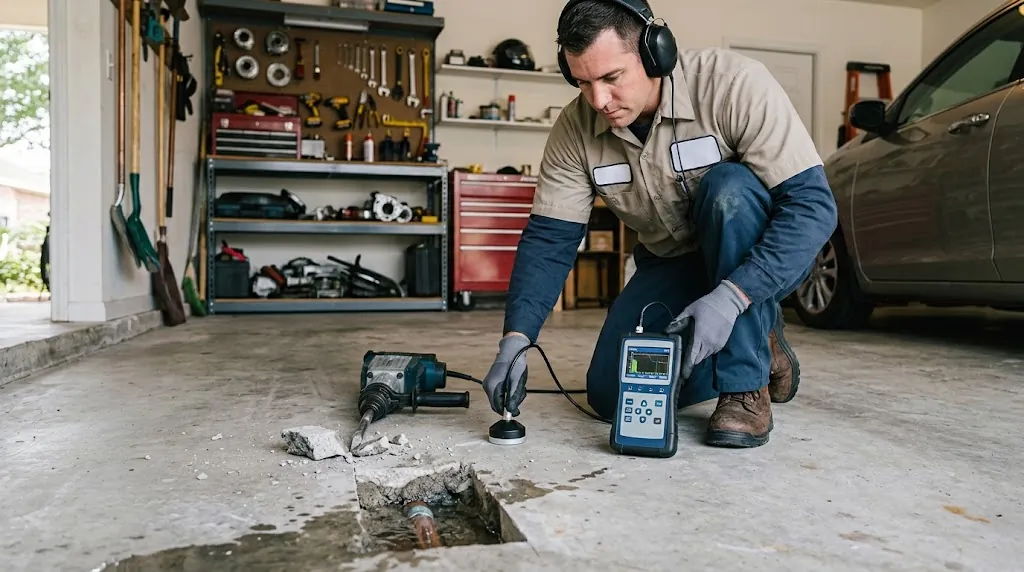
Our water bill doubled and we had no idea why. Nashua LeakDetectors came out the same afternoon, ran the thermal camera across the kitchen floor and found a slab leak under the tile in about 20 minutes. They marked it, gave us a written report and fixed the line two days later. Bill went back to normal the next cycle.
We manage a six-unit building on Main Street and had a mystery leak staining a first-floor ceiling. Their infrared leak detection in Nashua traced it to a shower valve on the third floor, not the second-floor bathroom we assumed. Saved us from opening the wrong wall. Professional, clean and fast.
Furnace was running nonstop and the floor by the water heater felt warm. They scanned it, confirmed a supply line leak under the slab, and had it repaired the same visit. Fair price, no upsell, and they showed me the thermal images on screen so I could see the leak myself. Would call them again.
Most residential scans run $250 to $450 in 2026, depending on square footage and how many levels we cover. Commercial buildings and underground water line leaks that need tracer gas start higher. If you hire us for the repair, we credit part of the scan fee toward the work. You get the exact price before we start, no trip charges inside Nashua.
Thermal imaging alone locates the leak area within about 12 to 18 inches. When we add acoustic listening devices, moisture meters and pressure testing gauges, our final locate accuracy runs above 95 percent. That's why we never mark a repair spot from the camera image alone. We confirm with a second tool every time.
Yes. Infrared cameras read temperature differences through drywall, tile, concrete and soil, so we can find hidden pipe leaks, slab leaks and underground water line leaks without opening anything first. In Nashua's older homes, we regularly locate leaks behind finished basements and under tile floors that other methods miss entirely.
Nashua LeakDetectors has offered infrared leak detection in Nashua since 2010, covering Hillsborough County and ZIP codes 03060, 03061, 03062, 03063 and 03064. We carry FLIR and Fluke cameras on every truck and handle residential and commercial work. Call 603 571 4078 for a same-day scan.
Not seeing your question? Our local team can help you understand urgency, scheduling and what to expect.
Ask the local team
Whole-home leak detection for Nashua houses, from finished basements to second-floor bathrooms. We combine thermal imaging with moisture meters to trace hidden pipe leaks and slab leaks before they damage flooring or framing. Most residential scans finish in under 90 minutes.
View service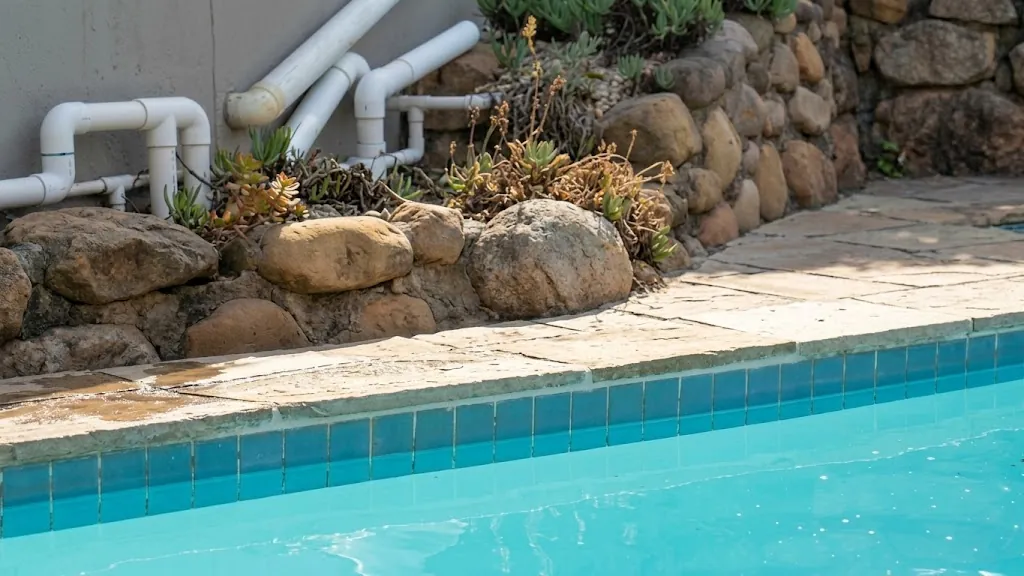
Nashua restaurants, offices and retail spaces use thermal imaging leak detection to find leaks without closing for demolition. We scan after hours to keep your business running, then mark the repair point so your plumber can work fast. Reports are formatted for property managers and insurers.
View service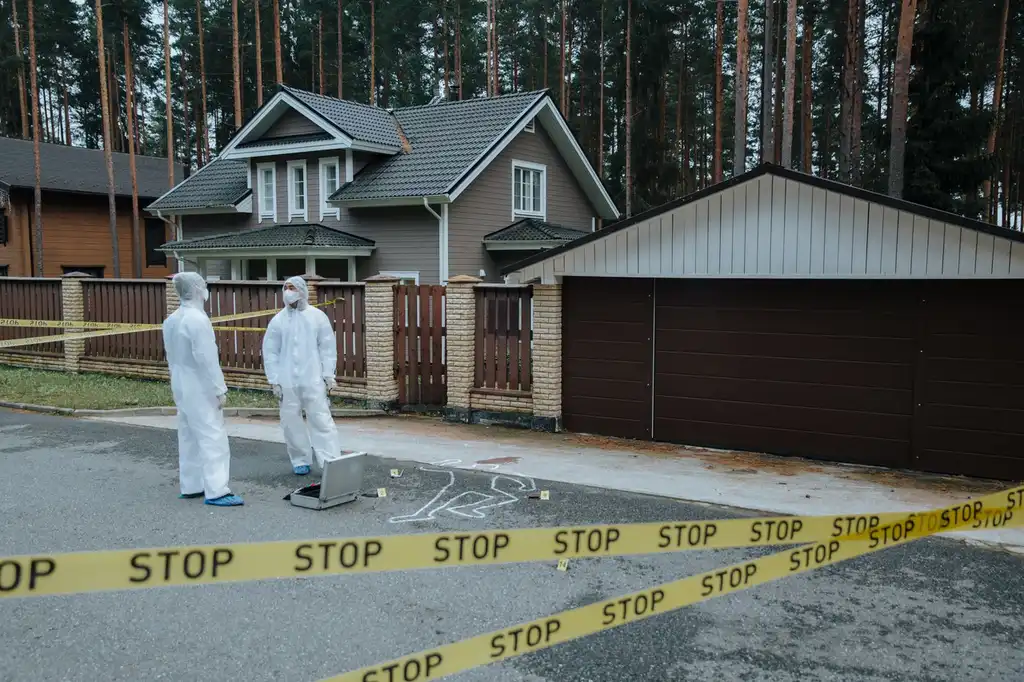
Slab leaks in Nashua's older neighborhoods often start as a warm spot on the floor. Thermal imaging water leak detection Nashua pinpoints the line under the concrete, and acoustic listening devices confirm it. We mark the exact break so the repair cut stays small.
View service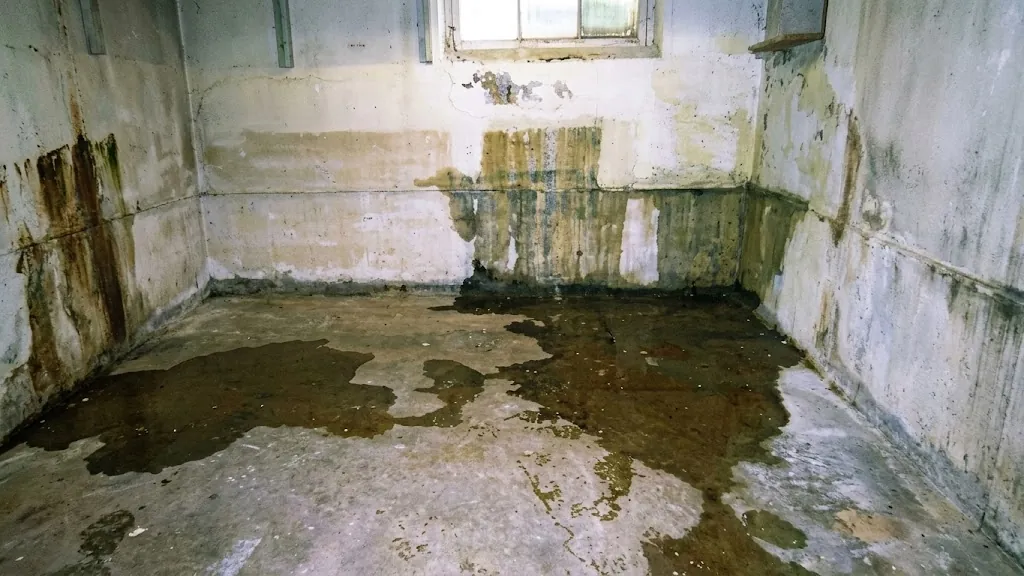
A pool losing an inch a day has a leak, not evaporation. We use thermal imaging and pressure testing gauges on the plumbing loop to separate a shell leak from a line leak. Nashua pool owners get a clear answer before spending on repairs.
View serviceCall 603 571 4078 any hour, day or night, and a real person answers. We schedule same-day appointments for most leak calls in Nashua and the surrounding Hillsborough County area, and we confirm your window before we roll a truck.