Focused arrival windows
Useful updates and clear arrival timing.
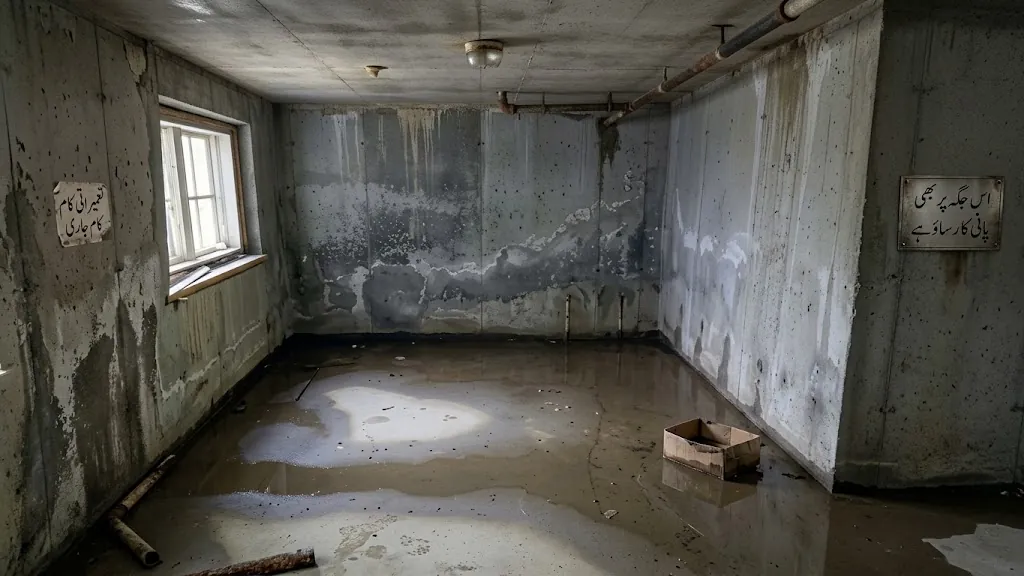
Pressure testing for leaks Nashua NH is how we pinpoint hidden pipe, slab, and water line failures without tearing your home apart. If your water bill jumped, a floor feels warm, or you hear water running when everything is off, we pressure-test the system, isolate the leak, and give you a straight answer the same day. We serve homeowners and businesses across Hillsborough County.
Useful updates and clear arrival timing.
Review the approach and price before deciding.
Equipped vehicles and respectful cleanup.
Neighbors serving neighbors with follow-through.
Every pressure test includes the diagnostic work to find the leak, not just a gauge reading. Here is what comes standard on a Nashua call, and what we quote separately if the job needs it.
We valve off and test each run separately: main line, hot side, cold side, and any branch that feeds a fixture group. That is how we narrow a whole-house loss down to one section instead of guessing.
Each run gets charged to 80-100 psi and held for 15 minutes. You watch the gauge with us. A drop of 5 psi or more flags the run. We record the start and end pressure for your file.
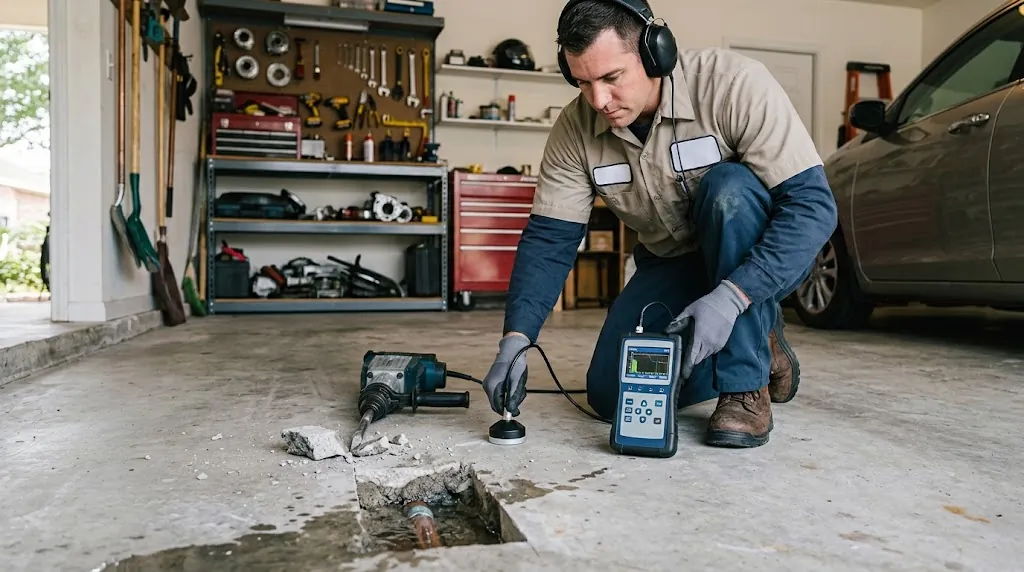
Once a run fails, we walk it with acoustic listening devices and a FLIR thermal camera. We mark the floor or wall within 6 to 12 inches of the break. You see the mark before we open anything.
You get a one-page report: what failed, where, the test pressures, and the repair options with prices. It is the document your insurance adjuster or home warranty company will ask for.
If the fix is a joint or a short section, we quote it before we leave. Slab and underground repairs get a firm written price within 24 hours. No open-ended hourly billing.
Share what is happening and receive a clear next step from the local team.
Pressure testing for leaks Nashua NH is a diagnostic method that isolates a section of plumbing, charges it with air or water to a set pressure, and watches the gauge for drop. If the needle falls, there is a leak in that run. We use calibrated pressure testing gauges, acoustic listening devices, and thermal imaging cameras to narrow the search from a whole-house problem down to a single fitting, joint, or pipe section. It works on copper pipe, PEX tubing, and PVC pipe alike.
Nashua homes deal with real freeze-thaw swings. Pipes in unheated crawl spaces and exterior walls crack in January, then weep quietly until the drywall stains in spring. Slab leaks under finished basements in the South End and Mine Falls area are common too. If you have been searching for pressure testing for leaks near me Nashua NH, we run water pressure leak testing Nashua homeowners can trust, and we do it without guesswork.
You call 603 571 4078 and tell us what you are seeing: high bill, warm floor, running sound, damp wall. We ask three or four questions, give you a rough range, and book a two-hour arrival window. Most Nashua calls get a same-day slot.
On site, we shut every fixture and confirm the meter is still spinning. That takes about 10 minutes and tells us whether the loss is on the supply side or the drain side. We note the pipe material, age, and any prior repairs.
We valve off sections and charge each run with air or water to 80-100 psi using a calibrated gauge. A 15-minute hold with no drop clears that section. A drop flags it. This is the core of pressure testing for leaks Nashua NH.
Once we know the bad run, we use acoustic listening devices and a FLIR thermal camera to walk the line. We mark the floor or wall within 6 to 12 inches of the failure. You see the mark before we cut anything.
You get a one-page summary: what failed, where, and what the fix involves. If it is a simple joint, we can often repair it the same visit. Larger slab or underground work gets scheduled with a firm price.

Calibrated gauges that hold 80-100 psi and show a 5 psi drop over 15 minutes. This is the core instrument for every test we run.
Pick up the hiss of escaping water under concrete or behind walls. We use them after the gauge narrows the run, so we are listening in the right place.
Show temperature differences from a hot water leak under a slab or behind tile. They turn a pressure drop into a marked location on the floor.
For long underground runs that will not hold pressure, we charge the line with tracer gas and follow the plume to the break.
For same-visit repairs on copper and PEX. Once we find the leak, we can often fix it before we leave the driveway.
For drain and sewer leaks, the camera shows the crack, root intrusion, or separated joint that pressure testing flagged.
Confirm the extent of water damage around a leak so you know whether drywall or flooring needs to come out.
We fill a section with water, cap it, and pressurize to 80-100 psi. A 15-minute hold with no drop clears the run. This is the standard method for supply lines and it is what most plumbing codes reference for new and repaired work.
For lines where water is not practical, we charge with air and watch the gauge. Air is more sensitive to small leaks than water, so it catches pinholes that a water test might miss. We use it on gas lines and long underground runs.
We valve off the system into sections and test each one. That is how a whole-house loss becomes a single failed run. It takes longer but it is the only way to avoid exploratory demolition.
Two sensors on either side of a suspected leak pick up the same sound and calculate the distance to the source. It works on underground water lines and slab leaks where the break is not visible.
After the gauge flags a run, the thermal camera confirms the location by showing the temperature difference from escaping hot water. Two independent methods agreeing is how we mark a spot with confidence.
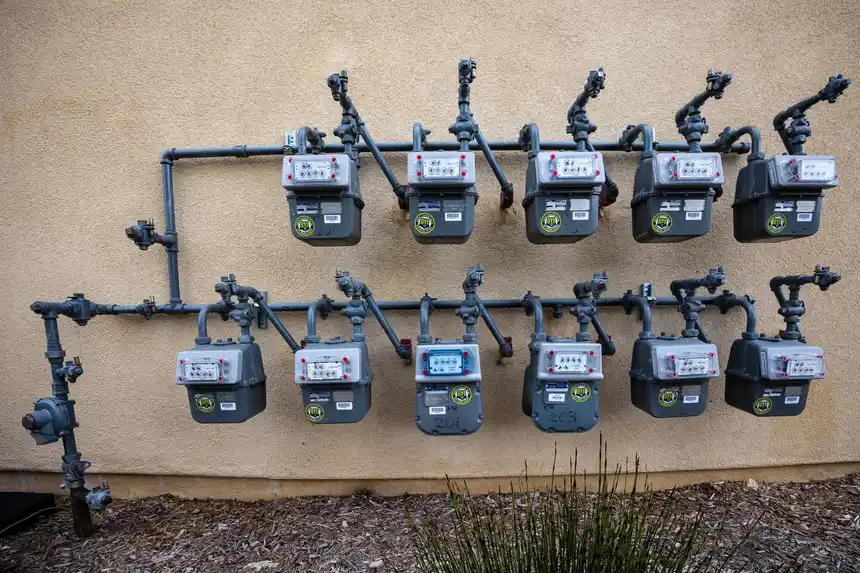
We run a pre-purchase pressure test on the supply lines, check the water heater, and camera the main drain. It takes about two hours and gives you a real number to negotiate with or walk away from. You know whether the leak is a $300 fitting or a $6,000 repipe before you sign. That is leverage.
We pressure-test every run in the affected zone, not just the one that burst. Freeze damage often cracks two or three fittings in the same run. We find them all in one visit. One repair trip instead of three. You get the heat back on and no surprise leak two weeks later.
We pressure-test after hours, isolate each zone, and mark the failed run. The test runs overnight so you open on time the next morning. A written report and a repair plan without losing a single day of revenue.
We pressure-test the return and supply lines, then dye-test the skimmer, light niche, and fittings. Most pool line failures in Nashua show up at the skimmer or a cracked return line. You know whether it is a $200 fitting or a $1,500 line replacement before anyone digs up the deck.
Nashua sits in Hillsborough County with a building stock that ranges from 1890s triple-deckers in French Hill to new construction in Nashua Highlands. That mix matters. Older homes often have original copper pipe with pinholes from decades of Nashua River Valley water chemistry. Newer builds use PEX tubing, which fails differently, usually at a crimp ring or a fitting. Winter is the busy season. When the temperature drops below 10 degrees, we get a run of frozen and split lines in crawl spaces and exterior walls. We run water pressure leak testing Nashua homeowners can count on, and we know which neighborhoods have slab-on-grade and which have full basements. If you are in ZIP 03060 or 03064 and you hear water running at 2 a.m., call us. We keep emergency slots open for exactly that.
Mostly 1890s to 1930s triple-deckers with original copper. Pinhole leaks in horizontal runs are the most common call we get here.
Newer construction with PEX tubing. Failures here are usually crimp rings or fittings, not pipe wall. Pressure testing isolates the run fast.
Many finished basements with slab-on-grade. Hot water slab leaks show up as a warm floor spot. We test hot and cold separately.
Mix of ranches and splits from the 1960s and 70s. Original copper is at the age where pinholes start. We see a lot of them.
Commercial and mixed-use buildings with shared walls. Leaks can cross units, so we pressure-test each side separately to find the source.
Pipes in unheated crawl spaces and exterior walls crack. We see a spike in burst-line calls from December through March. Pressure testing finds every cracked run, not just the one that burst.
Slightly aggressive water eats copper from the inside. Pinhole leaks in 30- to 50-year-old copper are common. Pressure testing catches them before they soak a wall.
These systems have more joints and more failure points. Zone isolation testing is the only way to find which run failed without opening every wall.
Groundwater can mask a slab leak or make a foundation leak look like a plumbing failure. We pressure-test first to separate the two before you spend money on waterproofing.
A Crown Hill homeowner saw the water bill jump from $60 to $140 a month and a faint stain on the bathroom ceiling. Two plumbers wanted to open the whole wall. Nobody could say which line was leaking.
We pressure-tested the hot and cold runs separately. The hot side dropped 12 psi in 15 minutes. Acoustic listening marked the pinhole within 8 inches. We opened one 12-inch square, replaced a 4-foot section of copper, and closed it up. Total bill: $380.
Maintenance: Keep an eye on the water meter when the house is quiet. If it spins with everything off, call us. A $180 test beats a $3,000 wall.
A South End family had a warm spot on the basement floor for six weeks. The floor covering was starting to lift. One contractor quoted $4,500 to jackhammer and repipe the whole slab.
We pressure-tested the hot and cold runs. The hot line lost 9 psi in 15 minutes. Thermal imaging marked the break within 10 inches. It was one failed fitting. We opened a 2-foot square, repaired it, and re-poured. Total: $1,150.
Maintenance: Check the floor for warm spots each fall before the heating season. Early detection keeps a $1,150 repair from becoming a $4,500 repipe.
A Pine Street Area homeowner had a soggy patch in the front yard and a water bill that doubled. The leak was not visible. The city confirmed the meter was spinning but could not say where the loss was.
We pressure-tested the service line from the meter to the house. It dropped 15 psi in 10 minutes. Acoustic correlation placed the leak 3 feet from the curb stop. We excavated one hole, replaced the failed coupling, and backfilled. Total: $950.
Maintenance: Watch for soft spots in the yard after dry spells. A slow underground leak shows up as a green patch or a sinkhole. Call us before it undermines the driveway.
Most calls start with a symptom the homeowner cannot explain. Pressure testing turns that symptom into a location and a price.
A hidden underground water line leak can waste thousands of gallons a month and cost you hundreds before you find it. It also undermines the soil under driveways and patios. We pressure-test the service line from the meter to the house and use acoustic listening to hear the leak underground. Most Nashua service line failures are at the curb stop or a bad coupling, and we mark it before we dig.
A warm spot usually means a hot water slab leak. Left alone, it erodes the slab, grows mold under flooring, and can cost $4,000 or more to fix once the concrete fails. We test the hot and cold runs separately to confirm which side failed, then use thermal imaging to mark the break within a foot. Most slab leaks we find in Nashua are one fitting or a short section, not the whole line.
That sound is water moving through a pipe that should be silent. It is often a toilet flapper or a pinhole in a copper line, and it runs 24 hours a day until someone finds it. We shut every fixture, confirm the meter is spinning, then pressure-test each branch. Acoustic listening finds the pinhole. If it is a toilet, we tell you it is a $15 flapper and you fix it yourself.
A slow supply leak behind a wall soaks insulation and framing for months. By the time the stain shows, you may be looking at mold remediation on top of the plumbing repair. We pressure-test the nearby runs to find which one is losing pressure, then use a moisture meter and thermal camera to trace the path. We open one small section, not the whole wall.
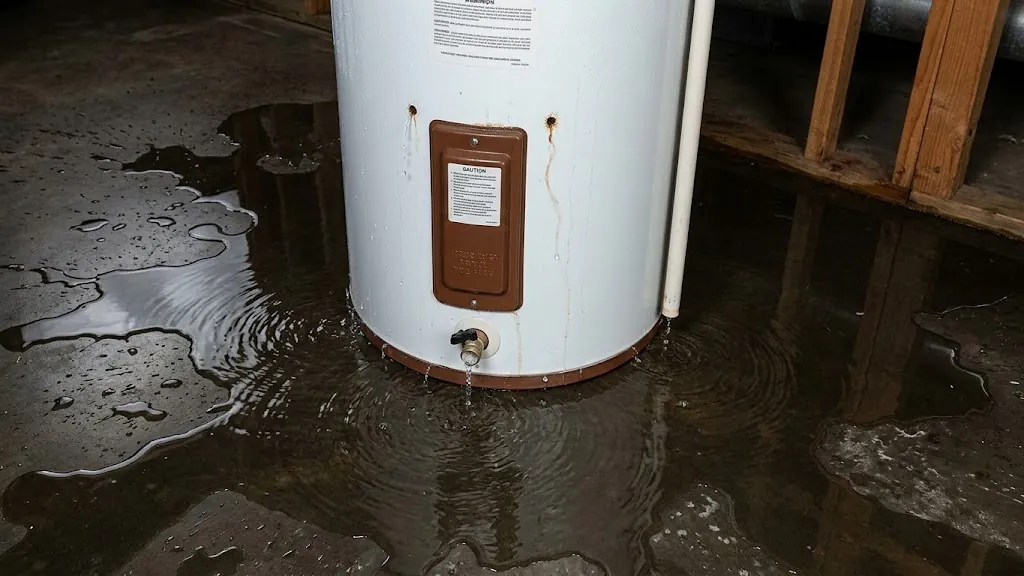
Nashua LeakDetectors has been in business since 2010, and we have run pressure tests in everything from 1890s French Hill triple-deckers to new construction off Exit 8. Our technicians hold a NH Master Plumber License and Backflow Prevention Certification, and we keep current with IAPMO and OSHA safety standards. We have tested thousands of lines across Hillsborough County, from copper pipe in Crown Hill basements to PEX tubing in Nashua Highlands additions. When we say a line holds pressure, it holds.
Our water bill doubled in two months and nobody could tell us why. Nashua LeakDetectors pressure-tested the whole house, found a pinhole in a copper line behind the bathroom wall, and had it fixed the same afternoon. They showed me the gauge drop before they cut. Cost me $340 total. The bill went back to normal the next cycle.
We had a warm spot on the basement floor for weeks. Two other plumbers wanted to jackhammer the slab. These guys pressure-tested the hot and cold runs separately, found the hot line was losing pressure, and marked the spot within a foot. Turned out to be one fitting. Saved us thousands in unnecessary concrete work.
We manage six commercial units downtown and had a mystery leak in one of them. They came after hours so we did not lose a day of business, pressure-tested every zone, and found a failed joint in a wall shared with the neighboring unit. Clean work, written report, no drama. We use them for all our Nashua properties now.
Most residential pressure tests in Nashua run $180 to $450 in 2026. A single-run test on an accessible line sits at the low end. Whole-house isolation with thermal imaging and multiple runs pushes toward the top. Emergency after-hours calls add a dispatch fee. You get the number before we start, and if we find the leak in the first 20 minutes, you pay the test price, not an hourly rate.
We isolate a section of pipe, charge it to 80-100 psi, and watch a calibrated gauge for 15 minutes. No drop means that run is tight. A drop means the leak is in that section, and we narrow it further with acoustic listening devices and a thermal camera. It works on copper, PEX, and PVC, and it finds leaks behind finished walls without opening them first.
Yes. Hidden leaks under slabs, behind tile, and inside wall cavities are exactly what pressure testing is built for. We test hot and cold runs separately, which is how we catch slab leaks under finished basements in the South End and Mine Falls area. Once the gauge flags a run, thermal imaging usually pins the spot within a foot.
Nashua LeakDetectors does, and we have since 2010. We are a licensed local shop, not a call center, and we cover all of Nashua plus Hillsborough County. Call 603 571 4078 and we will book a two-hour window, usually the same day. If it is an emergency, tell the dispatcher and we will move you to the front of the line.
Not seeing your question? Our local team can help you understand urgency, scheduling and what to expect.
Ask the local team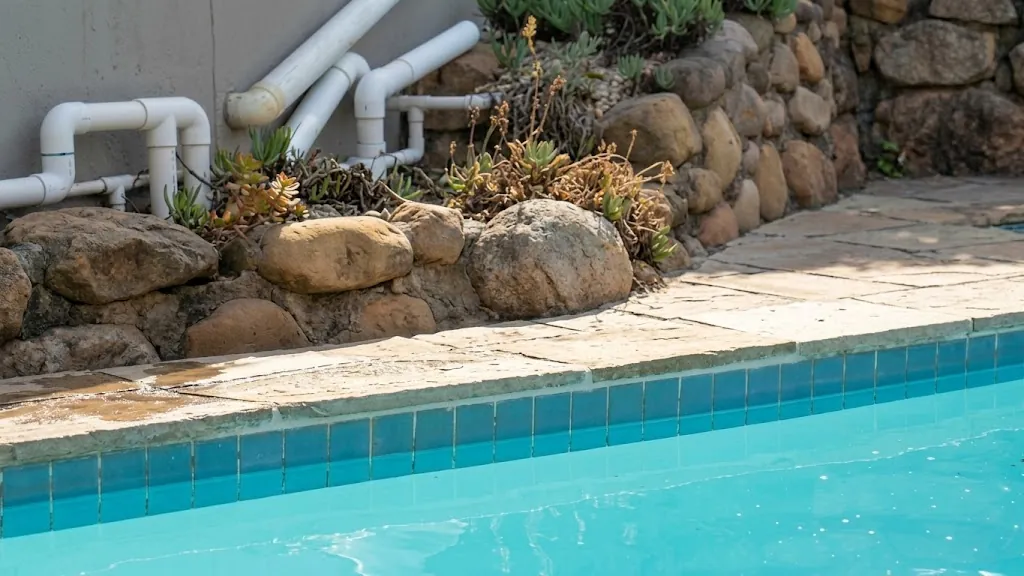
Pressure testing is the first step in most home leak calls. Once we isolate the bad run, we use acoustic and thermal tools to pinpoint it behind drywall, under floors, or in the ceiling of a finished basement.
View service
Restaurants, offices, and retail spaces on Main Street and the Nashua Mall Area need leak testing that does not shut down business. We pressure-test after hours and isolate zones so only the failed line goes down.
View service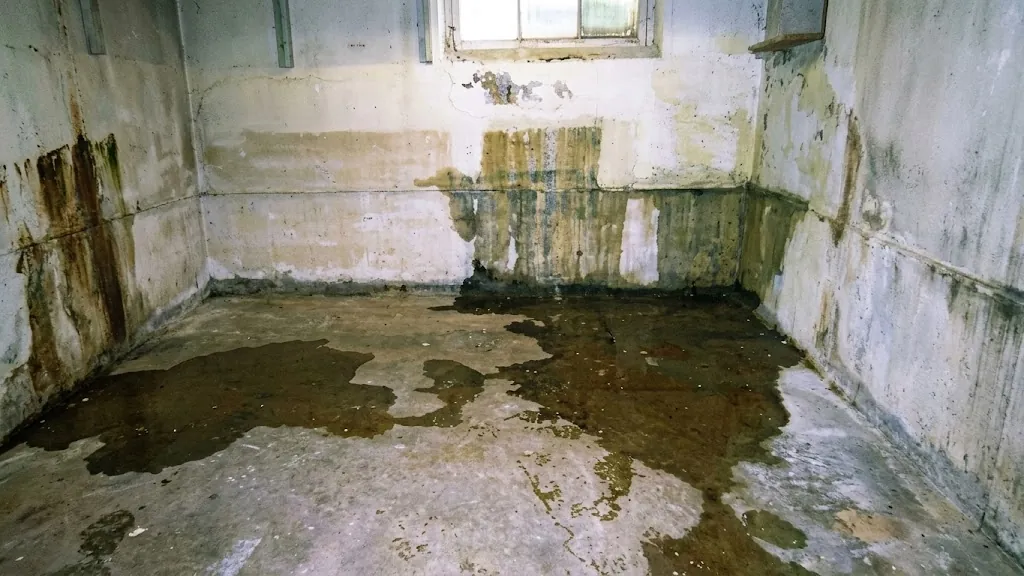
Slab leaks are common in Nashua's ranch homes and finished basements. We pressure-test the hot and cold runs separately, then use thermal imaging to mark the break before anyone breaks concrete.
View serviceA pool losing an inch a day is not evaporation. We pressure-test the return and supply lines, then use dye testing at fittings. Most pool line failures in Nashua show up at the skimmer or the light niche.
View service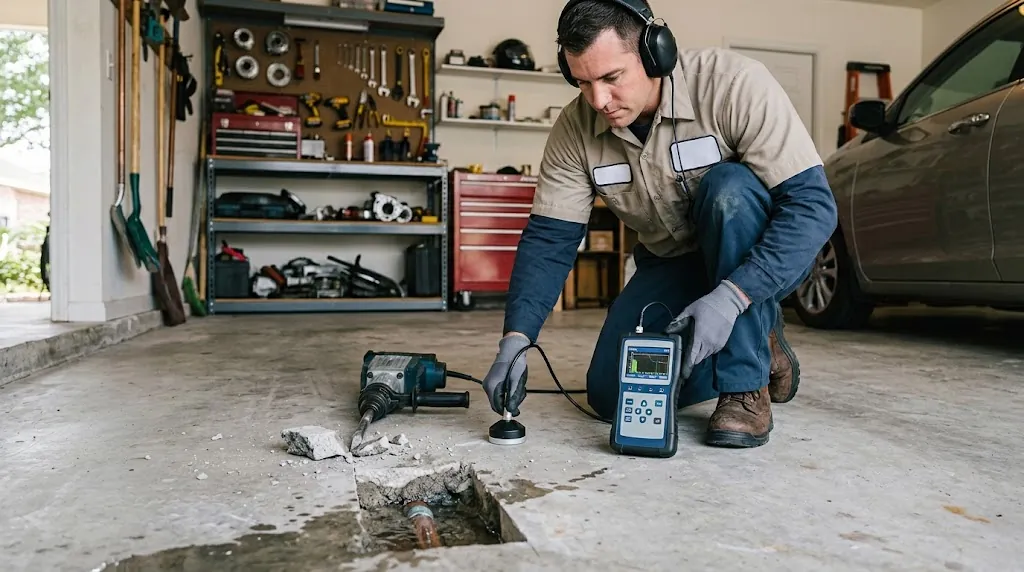
Call 603 571 4078 any hour, day or night, and a real person answers. We schedule same-day appointments for most leak calls in Nashua and the surrounding Hillsborough County area, and we confirm your window before we roll a truck.