Focused arrival windows
Useful updates and clear arrival timing.
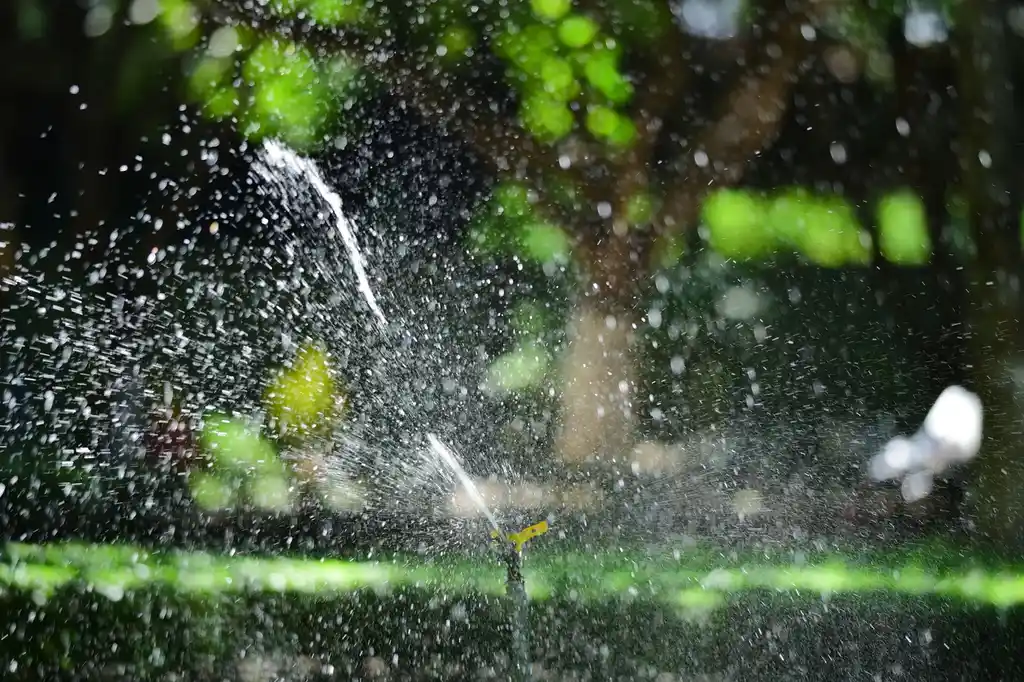
Irrigation system leak detection Nashua NH starts with a phone call and ends with a dry yard and a flat water bill. We use acoustic listening devices and thermal imaging cameras to pinpoint broken sprinkler lines under lawns, driveways, and planting beds across Hillsborough County. If your meter spins when the zones are off, call 603 571 4078.
Useful updates and clear arrival timing.
Review the approach and price before deciding.
Equipped vehicles and respectful cleanup.
Neighbors serving neighbors with follow-through.
Every visit includes a full zone-by-zone diagnosis, not just a look at the wet spot. We test the whole system because a second leak is common on older Nashua installations. Repairs are quoted separately at a flat price once we know the depth and material.
We isolate and pressurize every zone on the system with pressure testing gauges. A zone that drops from 50 psi to 20 psi in under a minute has a leak, and we log the reading for each one.
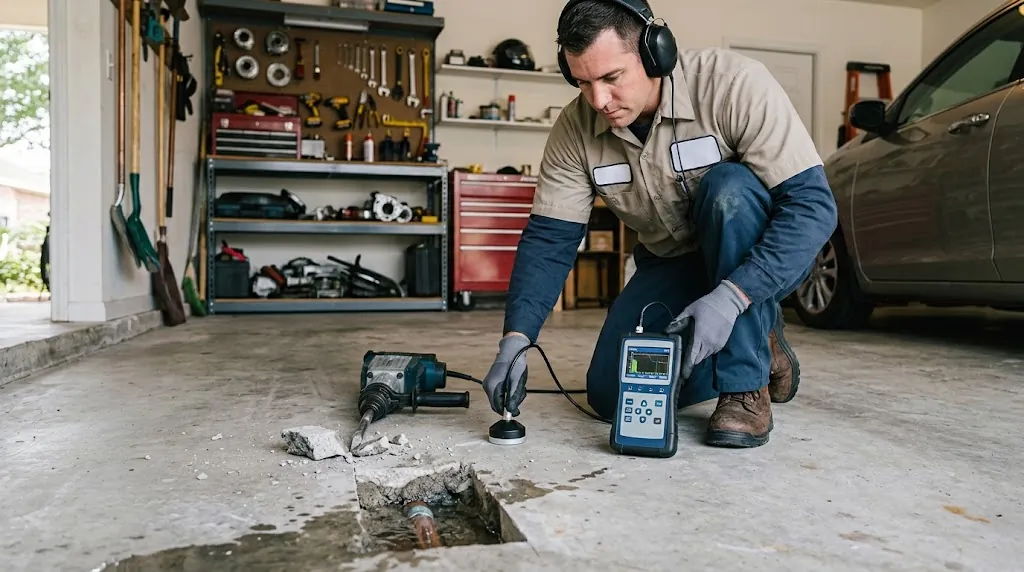
Each suspect zone gets walked with acoustic listening devices and a FLIR thermal imaging camera. Two independent confirmations mean we mark the break within 12 to 18 inches before any digging.
Valve boxes fail as often as pipe. We open every box, check the solenoids, and look for cracks in the manifold that pull apart after a New Hampshire freeze.
Broken heads and missing nozzles waste water and throw off zone pressure. We check every head on the leaking zone and replace cracked ones while we are on site.
Once we expose the break, we cut out the failed section and splice in new PVC pipe or PEX tubing. Then we re-pressurize and watch the gauge for 10 minutes before backfilling.
We tamp the patch, replace the turf, and seed it so the repair disappears. On hardscape jobs we restore the surface and leave the area clean.
Share what is happening and receive a clear next step from the local team.
Irrigation system leak detection Nashua NH is the process of finding water escaping from buried sprinkler lines, valves, and heads without tearing up your whole lawn. We pressurize each zone, listen for the hiss of escaping water with acoustic listening devices, and confirm the break with thermal imaging cameras that read the temperature difference wet soil leaves behind. Most residential systems have four to eight zones, and we test every one before we dig.
Nashua properties sit on a mix of glacial till, clay, and ledge, and that ground moves every winter. Lines installed at 10 to 12 inches deep can shift 2 to 3 inches after a hard freeze, which cracks PVC pipe and pulls fittings apart at the manifold. If you are searching for irrigation system leak detection near me Nashua NH because one zone floods the same corner of the yard every cycle, we can usually confirm the break in a single visit.
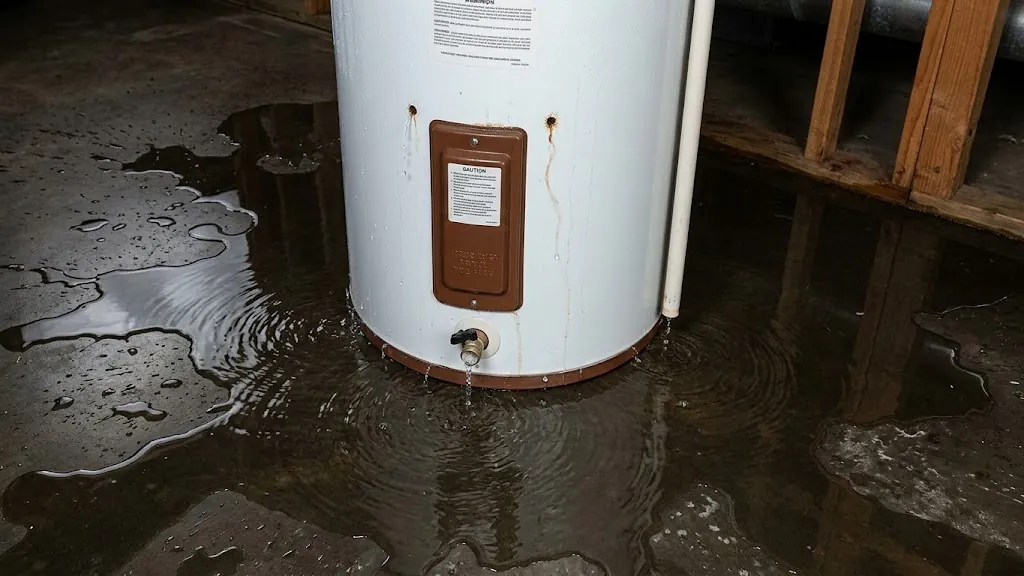
You tell us what you are seeing: a soggy patch, a spinning meter, a zone that will not hold pressure, or a geyser at the valve box. We ask for your address and ZIP so we can slot you into the right Nashua route. Most calls get a same-day or next-morning window.
We shut the main, isolate each zone, and pressurize it with pressure testing gauges. A zone that drops from 50 psi to 20 psi in under a minute has a leak. This step takes 30 to 45 minutes on a typical six-zone residential system.
We walk the zone with acoustic listening devices and a FLIR thermal imaging camera. Escaping water makes a distinct hiss underground, and wet soil reads 4 to 8 degrees cooler than dry ground. Two independent readings confirm the spot before we mark it.
We flag the break, cut a 2-foot by 2-foot patch, and expose the pipe. If the line runs under concrete, we use a pipe inspection camera to confirm the break location from the nearest access point and plan the repair route around the slab.
We cut out the failed section, splice in new PVC pipe or PEX tubing, and seal the joint with pipe sealant and plumber's tape. Then we re-pressurize the zone and watch the gauge for 10 minutes. If it holds, we backfill, tamp, and reseed the patch.
Picks up the hiss of water escaping a pressurized line. On irrigation systems this narrows a break to a 12 to 18 inch target before we dig.
Reads the temperature difference wet soil leaves behind. Wet ground runs 4 to 8 degrees cooler than dry, which confirms the acoustic reading.
Introduces a safe tracer gas into the line and reads where it surfaces. Used when a break sits under concrete or deep clay where acoustics are muffled.
Every zone gets pressurized and watched. A drop from 50 psi to 20 psi in under a minute confirms a leak and tells us how bad it is.
Lets us see inside PVC pipe and PEX tubing to confirm a break location from the nearest access point, so we do not open hardscape unnecessarily.
Used to clear and inspect lateral lines before testing, so a blockage does not read as a pressure loss.
Trenching, cutting, and backfill work on site. Cordless gear keeps the job moving without running cords across a wet yard.
We shut the main, isolate each zone, and pressurize it individually. This tells us exactly which zone is losing water and how fast, before we spend time sweeping the whole property.
We walk the suspect zone with listening devices and mark the loudest point. Two passes from different angles confirm the spot, which keeps the excavation to a 2-foot patch.
A FLIR camera sweep confirms the acoustic finding by showing the cooler wet soil. When both methods agree, we dig with confidence.
For lines under concrete or deep in clay, we introduce tracer gas and read where it surfaces. It is the tiebreaker when acoustic and thermal readings disagree.
After the repair, we re-pressurize the zone and watch the gauge for 10 minutes. If it holds steady, we backfill and reseed. If it moves, we keep working.
We start with meter isolation to confirm the loss is on the irrigation side, then pressure test each zone. Most residential diagnostics run $180 to $450 and take under two hours. You get a marked break location, a flat repair quote, and a same-day fix in most cases.
We sweep the zone with acoustic listening devices and a thermal camera, mark the break, and cut a 2-foot patch to expose the pipe. The zone holds pressure, the wet spot dries out, and the turf recovers within a few weeks.
We check the manifold and valve box first, since freeze damage concentrates there. If the break is in the lateral line, we camera the pipe and plan the repair route. System is back online before the spring watering season, usually in one visit.
We isolate and test zones one at a time so the rest of the system keeps running. Commercial diagnostics are scheduled around your operating hours. Minimal disruption, a documented finding for your records, and a repair plan with flat pricing.
Nashua sits on a mix of glacial till, clay, and ledge, and that ground moves hard every winter. Irrigation lines installed at 10 to 12 inches deep can shift 2 to 3 inches after a freeze, which cracks PVC pipe and pulls fittings apart at the manifold. That is why most of our spring calls come from the North End and French Hill, where older systems were installed decades ago and never updated. If you need lawn irrigation leak detection Nashua New Hampshire in October, we prioritize those calls because water left in a cracked line expands and splits the pipe wider. We also handle how to find an irrigation leak in Nashua for homeowners who want to try the meter test first. Shut the main, watch the meter, and if it still moves, call us. We serve ZIP codes 03060, 03062, 03063, 03064, and 03061 across Hillsborough County.
Older homes with original irrigation layouts. Lines often run close to mature tree roots, which shift soil and crack pipe.
Larger lots with longer lateral runs. More pipe means more joints and more chances for a fitting to pull apart.
Properties near the river sit on wetter soil. A leak here can go unnoticed longer because the ground already reads damp.
More hardscape and driveways over irrigation lines. Breaks under concrete need tracer gas or camera work to confirm.
Mixed residential and commercial systems. Commercial zones run higher pressure and fail at the manifold more often.
Water left in a line expands and splits pipe. Most spring leaks trace back to a missed winterization the previous fall.
Water travels along the clay layer instead of straight down, so the wet spot can appear 10 to 15 feet from the actual break.
Lines get installed shallower than spec in some Nashua neighborhoods, which makes them more vulnerable to frost movement.
Repairs that touch the potable tie-in need a Backflow Prevention certified technician, which we carry on staff.
A Crown Hill homeowner's water bill jumped $90 in one cycle. One zone flooded a corner of the yard every morning, and the turf had turned to mud. The system was 14 years old and had never been pressure tested.
We isolated the zone, dropped from 50 psi to 18 psi in 40 seconds, and marked the break within a foot using acoustic gear. Repaired the cracked PVC pipe the same afternoon. The zone now holds 50 psi and the wet spot dried out in three days.
Maintenance: Blow out the system every October and run a pre-season pressure test in April. A $180 inspection catches a winter crack before it floods the yard.
A French Hill property lost pressure on two zones at once. Heads barely popped up and the lawn showed brown stripes. The valve box was full of water and the manifold fittings had pulled apart after a hard freeze.
We rebuilt the manifold with new fittings, pipe sealant, and plumber's tape, then replaced two cracked solenoids. Both zones now hold 52 psi. The brown stripes filled in over the next month.
Maintenance: Check the valve box after every winter for standing water. A dry box in April means the manifold survived the freeze.
A Nashua Highlands homeowner could not find any wet spot, but the meter spun with every zone off. Two other companies had dug in the yard with no result. The line ran under a paver driveway.
We used tracer gas and a pipe inspection camera to confirm the break under the pavers, then routed the repair around the hardscape instead of through it. Meter stopped moving and the driveway was untouched.
Maintenance: Keep a zone map on file. Knowing where lines run under hardscape saves hours of diagnostic time and hundreds in excavation.
Most irrigation leaks in Nashua fall into four buckets. Here is what each one looks like and what happens if you let it run another season.
A buried lateral leak can waste 15 to 20 gallons a minute. Over a 90-day irrigation season that is thousands of gallons and hundreds of dollars on the meter. We isolate each zone with pressure testing gauges and sweep the suspect line with acoustic listening devices. Once we mark the break, we expose and repair it the same day in most cases.
Constant saturation kills turf, rots root systems, and can undermine a driveway or patio edge over a single season. A FLIR thermal imaging camera reads the temperature difference wet soil leaves behind, which narrows the break to a small target. We cut one patch, fix the line, and reseed the area.
Low pressure means uneven watering, brown stripes in the lawn, and a pump that runs longer and hotter than it should. Pressure loss usually points to a cracked manifold or a broken lateral near the valve box. We open the box, test the solenoids, and rebuild the manifold with new fittings and pipe sealant.
Water left in a line over winter expands when it freezes and splits the pipe. The first spring startup turns that crack into a fountain and can flood the box. We shut the zone, confirm the break with acoustic gear, and replace the split section. Then we blow out the system so it does not happen again next winter.
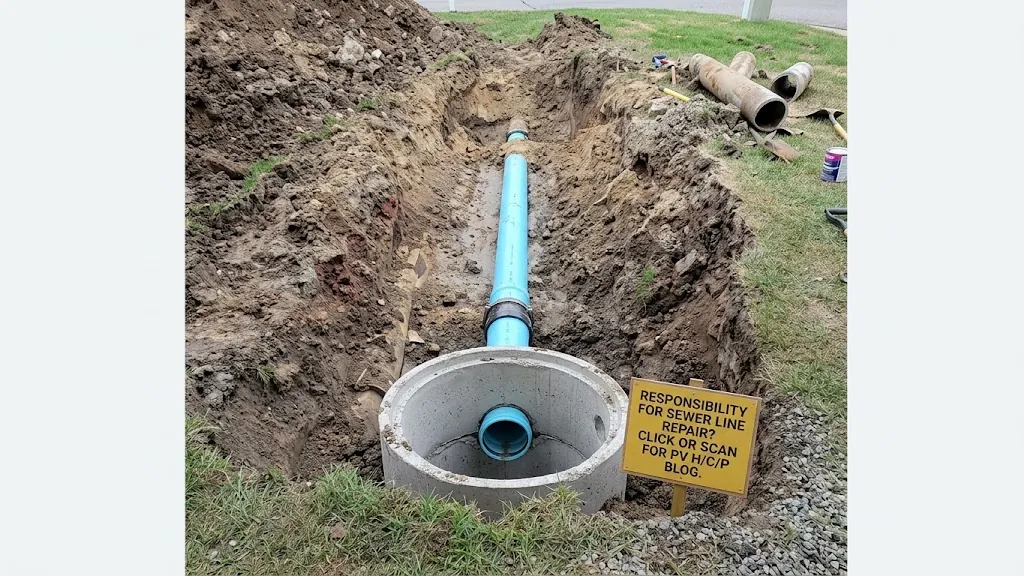
Nashua LeakDetectors has been in business since 2010, and irrigation work has been part of our leak detection lineup from the start. Our technicians carry NH Master Plumber credentials and Backflow Prevention Certification, and we run RIDGID and Sewerin equipment because it survives New Hampshire winters and reads accurately in wet clay. We have located and repaired thousands of sprinkler and water line leaks across Hillsborough County, from single broken heads in Crown Hill to full manifold rebuilds in Nashua Highlands.
My water bill jumped $90 in one cycle and I could not find anything wet. These guys pressure tested all six zones, found a cracked lateral under the side yard, and had it repaired the same afternoon. They marked the spot within a foot and only cut one small patch. Gauge held at 50 psi when they left.
We had a zone that flooded the same corner every morning. They used a thermal camera and an acoustic listener and confirmed the break under a paver walkway. Instead of tearing up the pavers, they routed the repair around them. Yard looks untouched and the zone runs dry now.
I manage three commercial properties with irrigation, and Nashua LeakDetectors is who I call. They found a manifold leak at one building in under an hour and pressure tested every zone after the repair. Flat pricing, no surprises, and they document everything for my records.
Most irrigation system leak detection Nashua NH visits run $180 to $450 in 2026, and the repair itself adds $150 to $500 depending on depth and pipe material. A simple broken head at the surface sits at the low end. A line under a driveway or a manifold rebuild pushes toward the top. We quote the repair before we dig.
The three tells are a meter that spins with every zone off, a soggy patch that stays wet 24 hours after watering, and a zone that will not hold pressure. If your water bill jumped $60 or more in one cycle, shut the main and watch the meter. If it still moves, you have a leak.
Yes. We pressurize each zone, sweep it with acoustic listening devices, and confirm with thermal imaging cameras that read the temperature difference wet soil leaves behind. We mark the break within 12 to 18 inches before any digging starts, which keeps the excavation small.
Nashua LeakDetectors repairs irrigation and sprinkler leaks across Hillsborough County, including 03060, 03062, 03063, and 03064. We are NH Master Plumber licensed, we carry the parts for PVC pipe and PEX tubing on the truck, and we pressure test every repair before we leave.
Not seeing your question? Our local team can help you understand urgency, scheduling and what to expect.
Ask the local team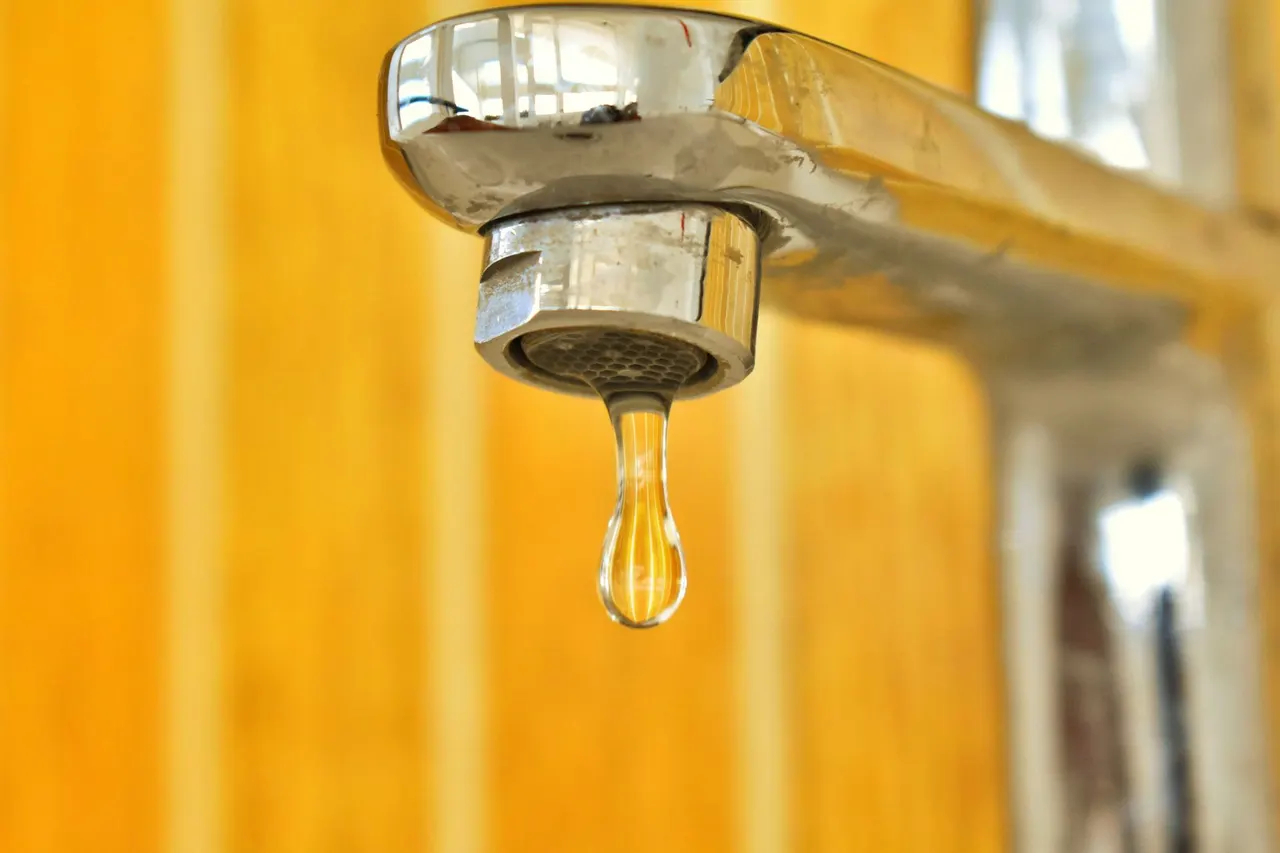
Whole-home leak detection covers the supply lines feeding your irrigation tie-in. If your sprinkler leak traces back to a failing interior shutoff or a weeping sillcock, this is the service that finds it.
View service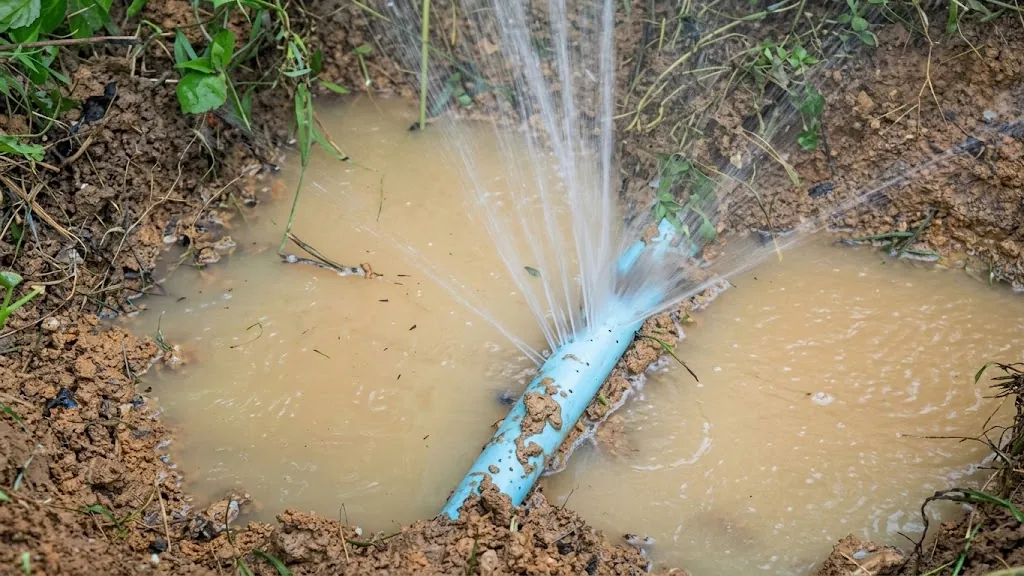
Nashua commercial properties run larger irrigation zones with booster pumps and backflow assemblies. We handle those systems with the same acoustic and thermal methods, scaled for higher pressure and bigger pipe.
View service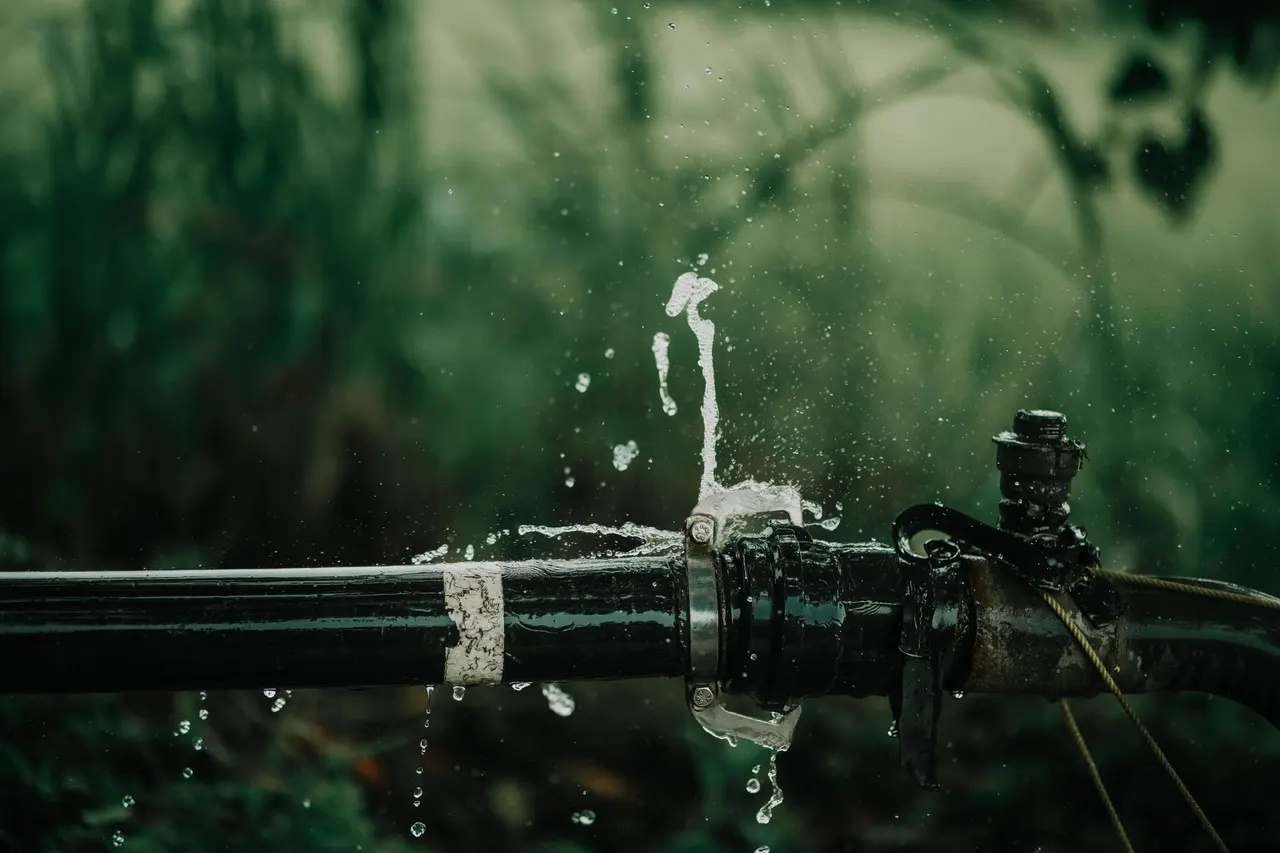
Irrigation lines sometimes run under a garage slab or patio. When they do, we use the same thermal imaging and acoustic gear to find the break without breaking the concrete first.
View servicePool fill lines and irrigation mains often share a trench. If your pool loses an inch a day and your sprinkler zone also drops pressure, we test both systems in one visit.
View service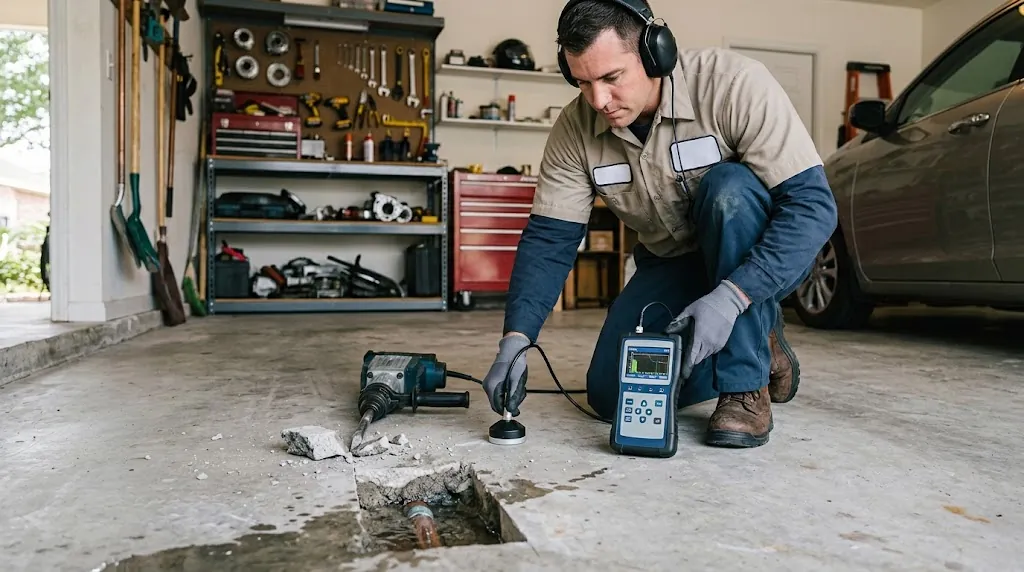
Call 603 571 4078 any hour, day or night, and a real person answers. We schedule same-day appointments for most leak calls in Nashua and the surrounding Hillsborough County area, and we confirm your window before we roll a truck.