Focused arrival windows
Useful updates and clear arrival timing.
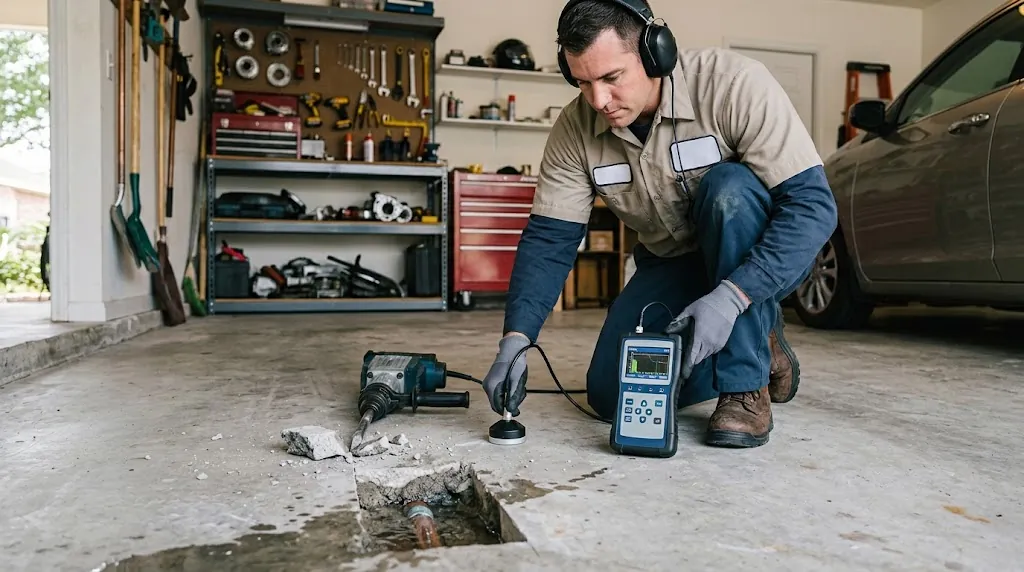
When water shows up where it shouldn't, hidden leak detection Nashua NH is how we find the source before it wrecks your floors, drywall, or foundation. We handle concealed leak detection in Nashua for homeowners and businesses across Hillsborough County, from a slow drip inside a wall cavity to a slab leak under a finished basement. One call, one visit, and you get a straight answer about where the water is coming from.
Useful updates and clear arrival timing.
Review the approach and price before deciding.
Equipped vehicles and respectful cleanup.
Neighbors serving neighbors with follow-through.
The detection visit is a complete diagnostic, not a quick look. We test the meter, sweep the system with at least two methods, confirm the loss with pressure testing, and hand you a written report with the leak marked. If the repair is on our side of the scope, we quote it separately so you can decide.
We shut off every fixture and appliance and watch the low-flow indicator. Then we isolate and pressurize suspect sections with a testing gauge. This step alone tells us whether the loss is on the supply side or the drain side before we touch a wall.
A FLIR thermal camera scans the suspect wall or floor for temperature differences, while an acoustic listening device follows the sound of escaping water. Two independent readings have to agree before we mark anything.
For slab leaks, underground service lines, and sewer runs, we feed a RIDGID or General Pipe Cleaners camera through the line. You see the break on screen, and we measure how far it sits from the nearest access point.
We log moisture meter readings at several points around the leak and photograph the thermal images. That record shows how far water has traveled and gives your insurance adjuster a clear picture of the damage footprint.
The leak gets marked with tape, and you get a written summary naming the failed component, the tools used to confirm it, and the recommended repair. If you hire us for the fix, we credit part of the detection fee toward the work.
Share what is happening and receive a clear next step from the local team.
Hidden leak detection Nashua NH is the process of locating water escaping from pipes, fixtures, or drain lines that you cannot see. We use acoustic listening devices to hear water moving behind drywall, thermal imaging cameras to spot temperature differences where moisture hides, and pressure testing gauges to confirm whether a line is losing water. On copper pipe and PEX tubing alike, we trace the run, isolate the section, and mark the exact spot before anyone cuts into a wall or breaks up a slab.
Most calls we get start the same way: a water bill jumps $40 or $60 in a month, a patch of flooring feels spongy, or a musty smell shows up in a basement that has always been dry. In Nashua's older housing stock, galvanized and copper lines have been sweating and corroding for decades, and winter freeze-thaw cycles push joints apart. If you have been searching for hidden leak detection near me Nashua NH and keep coming up empty, that is exactly the kind of job we run every week.
You describe the symptoms: high bill, wet spot, sound of running water with everything off. We ask which fixtures and appliances are involved and whether the home has a basement, slab, or crawlspace. That five-minute call usually tells us which tools to load first, and it lets us quote a realistic range before we roll.
On arrival we shut off every fixture and appliance, then watch the water meter. If the low-flow indicator is still spinning, you have a pressurized supply leak. If it stops, the loss is on the drain side or intermittent. That single check splits the job in half before we open a single tool case.
We run an acoustic listening device along the suspected run, then confirm hot spots with a FLIR thermal imaging camera. On slab leaks we add a pipe inspection camera to look inside the line. This stage takes 45 to 90 minutes on a typical Nashua home and pinpoints the leak to a small area.
We isolate the suspect section and pressurize it with a testing gauge. If pressure drops, the leak is confirmed. For stubborn cases in gas line leaks or long underground runs, we introduce a tracer gas and sweep with a Sewerin detector. No leak gets marked until two methods agree.
We mark the spot with tape, photograph the readings, and walk you through what we found. You get a written summary with the moisture meter values and recommended repair. If you want us to handle the fix, we schedule it; if you want a second opinion, the report travels with you.

Reads surface temperature across a wall or floor and reveals the cool patch where evaporating water hides. It scans a large area fast and tells us where to focus the acoustic gear.
Picks up the sound of water escaping under pressure through drywall, concrete, and soil. We follow the sound along the pipe run until the signal peaks at the leak.
Isolate a section of pipe, pressurize it, and watch for a drop. This is the confirmation step that turns a suspicion into a marked leak location.
Feeds through buried lines and slab runs to show the break on screen. We use it on sewer lines, underground service lines, and drain runs where sound alone is not enough.
Finds leaks that acoustic gear misses, especially on gas lines and long underground runs. We introduce a tracer gas and sweep the line until the detector responds.
Measure water content in drywall, wood, and concrete. They map how far moisture has traveled from the leak and give your insurance adjuster a clear damage footprint.
Convert high-frequency sound from a pressurized leak into an audible signal. Useful in noisy mechanical rooms and commercial spaces where listening by ear fails.
We shut off every fixture and appliance and watch the low-flow indicator on the water meter. If it spins, the leak is on the pressurized supply side. If it stops, the loss is on the drain side or intermittent. This one check splits the job in half before we open a tool case.
We never mark a leak on one reading. The acoustic device tells us where the sound peaks, and the thermal camera shows where the moisture is. When both point to the same spot, we move to pressure confirmation.
We close valves to isolate a section, pressurize it with a testing gauge, and watch the reading for 10 to 20 minutes. A drop confirms the leak is inside that section and rules out the rest of the system.
For gas line leaks and stubborn underground runs, we introduce a tracer gas into the isolated line and sweep the surface with a Sewerin detector. The gas escapes at the break, and the detector reads the concentration.
We run a pre-purchase leak inspection: meter check, visible piping review, fixture testing, and a moisture map of the basement. It takes about 90 minutes and covers the systems most likely to hide a loss. You get a written report before you sign. If there is a hidden leak, you either negotiate the repair into the price or walk away from a five-figure problem.
We take the emergency call 24/7, get a technician to your address, and pressure-test each section to isolate the break. Acoustic gear follows the sound through the wall or slab. The break is confirmed and marked, so the repair crew opens one spot instead of tearing out a whole room. Water is back on the same day in most cases.
We check all three in sequence, dry the area, and watch for the return of water. A moisture meter confirms whether the leak is at the tank or running down from a connection. You know whether you are looking at a $40 part or a full replacement, and you are not paying for a new heater when a fitting was the real problem.
We test the meter first, then split the search between the indoor supply system and the underground service line. Pressure testing and acoustic sweeping cover both in one visit. You find out whether the loss is inside or outside the foundation, and you get documentation to request a bill adjustment from the city.
Nashua sits in Hillsborough County with a housing mix that makes leak work interesting. French Hill and the Tree Streets are full of 1890s mill-era homes with original copper pipe that has been corroding from the inside for decades. Out near Exit 8 and Nashua Highlands, you find newer construction with PEX tubing and crimp fittings that fail at the joint instead of the pipe. Winter is the busy season: freeze-thaw cycles push joints apart, and a burst pipe at 2 a.m. in January is a call we take every year. Summer shifts the work outdoors, where irrigation laterals and pool loops lose water underground. When you call for concealed leak detection Nashua, we ask about the age of the house and the neighborhood first, because that tells us whether to reach for acoustic gear or a camera. If you need emergency hidden leak detection Nashua New Hampshire on a holiday, we answer the phone and we roll.
Mill-era homes with original copper supply lines. Corrosion pinholes are common, and the tight floor plans mean a leak in one unit often shows up in the neighbor's ceiling.
Newer construction with PEX tubing and crimp fittings. Failures here tend to be at the joint, and they hide behind finished drywall in basements and first-floor ceilings.
Properties near the river see higher groundwater, which masks the difference between a real supply leak and seasonal seepage. We pressure-test to separate the two.
A mix of 1950s ranches and commercial buildings. Slab leaks and underground service line losses are the two calls we run most on this corridor.
Commercial and mixed-use buildings where a leak in one unit can run for days before anyone notices. We work after hours to avoid disrupting tenants.
Joints in copper and PEX push apart as temperatures swing. Most burst-pipe calls in Nashua land between late December and early March, often overnight when the heat is set low.
Copper pipe from the 1940s and 1950s corrodes from the inside out. Pinhole leaks appear at the top of horizontal runs, and they can drip for months before the drywall shows a stain.
Properties close to Mine Falls and the river see groundwater that can look like a supply leak. We pressure-test the line to confirm whether the water is coming from a pipe or from the soil.
From June through September, underground irrigation laterals and pool plumbing become the most common leak sources. Pressure-testing each zone isolates the break fast.
A French Hill homeowner noticed a $70 jump in the water bill and a faint musty smell near the kitchen. Nothing looked wet, and two handymen could not find a source. The copper supply line had been dripping inside the wall for weeks.
We scanned the wall with a FLIR camera, found a cool patch about 10 inches wide, and confirmed it with acoustic gear and a pressure test. One small access hole exposed a pinhole in the copper. The repair took under two hours, and the next bill dropped back to normal.
Maintenance: We recommended a whole-house pressure check and a water softener evaluation, since hard water speeds copper corrosion. An annual meter check catches the next pinhole before it soaks a wall.
A Nashua Highlands family had a warm spot on their finished basement floor and a water bill that climbed $90 in one month. Two other companies quoted a full floor tear-out to find the leak, which would have destroyed the flooring and part of the framing.
We isolated the hot water loop, pressure-tested it, and used acoustic gear plus a pipe camera to mark the break. The concrete cut was 8 inches wide. The line was repaired the same day, and the flooring was patched instead of replaced.
Maintenance: We set a reminder to recheck the loop pressure at the one-year mark. Keeping the basement humidity under 50 percent also helps you spot a new leak early.
A homeowner near Mine Falls got a city notice about unusually high water use. The yard had a soggy patch between the meter and the foundation, but no indoor fixture showed any symptom. The loss had been running for at least two billing cycles.
We pressure-tested the service line from the meter to the foundation and swept the run with acoustic and tracer gas tools. The break was marked within 14 inches of the actual failure. The repair crew dug one hole, and the city approved a bill adjustment with our report.
Maintenance: We suggested a seasonal meter check each spring, since the ground shifts after winter. Marking the service line path with a stake saves time on any future dig.
Most hidden leaks announce themselves with a bill, a smell, or a soft spot long before you see standing water. These are the calls we run most often across Nashua and Hillsborough County.
A supply leak can waste 2 to 5 gallons a day inside a wall. Over a billing cycle that is real money, and the moisture is quietly rotting framing and growing mold behind the drywall. We start at the meter with every fixture off. A spinning low-flow indicator confirms a pressurized leak, and from there acoustic and thermal tools narrow it to a small section. Most Nashua homes get a confirmed location the same visit.
Odor means mold has already started. Left alone, it spreads through insulation and framing, and remediation costs climb into the thousands while the leak keeps feeding it. We moisture-map the basement walls and floor, then test the likely sources in order: foundation drain, supply line through the wall, and the water heater. Once we find the source, we mark it and give you a repair plan that stops the moisture at the origin.
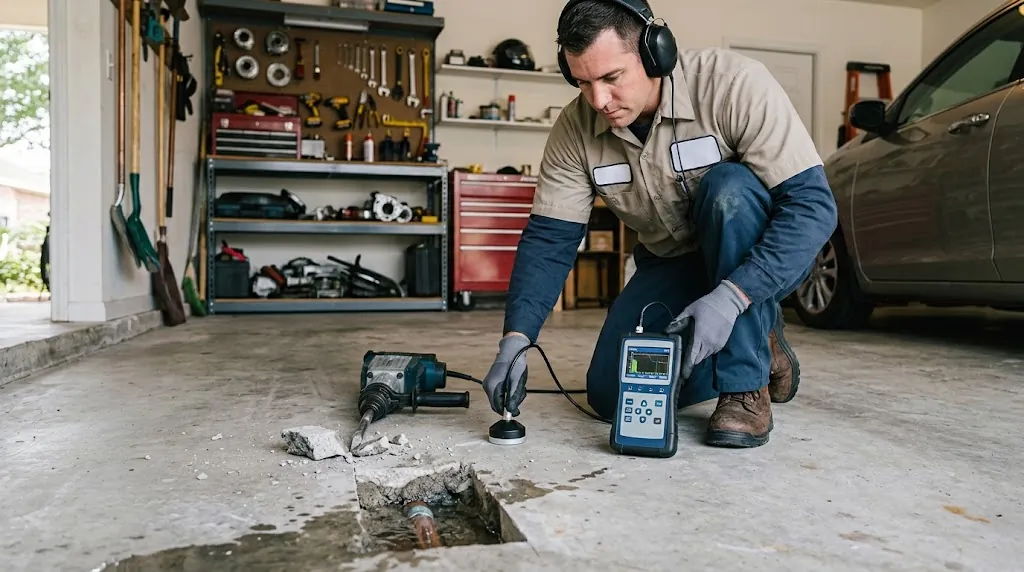
A hot spot on a concrete floor usually means a hot water line is leaking under the slab. It runs constantly, heats the floor, and can undermine the slab over time if the soil below stays saturated. We isolate the hot water loop, pressure-test it, and listen along the run with acoustic gear. Thermal imaging confirms the path. We mark the break so the concrete cut stays small, usually under a foot wide.
An underground water line leak can lose thousands of gallons a month, and the saturated soil can shift around the foundation. It also inflates your Nashua water bill with no indoor symptom at all. We pressure-test the service line from the meter to the foundation, then sweep the run with acoustic and tracer gas tools to find the break. You get a marked location and a report you can use if the city offers a bill adjustment.
Our water bill jumped $70 and we could not find anything wet. The tech ran a thermal camera along the kitchen wall, found a hot spot in about ten minutes, and confirmed it with a pressure test. Turned out to be a pinhole in the copper behind the cabinets. One small access hole, fixed the same week, and the bill went back to normal.
We had a slab leak under the finished basement and two other companies wanted to break up the whole floor. Nashua LeakDetectors used acoustic gear and a camera, marked a spot about eight inches wide, and that was the only concrete they cut. Saved us thousands in flooring. I have already sent two neighbors their way.
One of our retail tenants had a musty smell and no visible water. They came out after hours, tested the meter, and traced it to a failed supply line in the wall between two units. The written report with the moisture readings made the insurance claim painless. Fast, clean, and they explained everything in plain language.
Most residential detection visits in Nashua run $250 to $550 in 2026, and the price depends on how many systems we test and whether the leak is inside the house or underground. A single wall leak with clear symptoms sits at the low end. A slab leak plus an underground service line check sits at the high end. The detection fee covers the full visit, the report, and the marking, and we credit part of it toward the repair if you hire us to fix it.
We start at the water meter with every fixture off, because a spinning low-flow indicator confirms a pressurized supply leak in seconds. From there we sweep the suspect run with an acoustic listening device and confirm hot spots with a thermal imaging camera. On slab leaks we add a pipe inspection camera. We only mark the spot after pressure testing agrees with the other readings, so you are not paying for a guess.
Yes, and that is the majority of what we do. Thermal imaging cameras read the temperature difference between a wet wall cavity and a dry one, and acoustic gear picks up the sound of water escaping under pressure. Together they narrow the leak to a small window, usually 6 to 12 inches. We then open one clean access hole instead of cutting a four-foot trench through your drywall.
Nashua LeakDetectors has handled hidden leak detection in Nashua New Hampshire since 2010, covering Hillsborough County and the surrounding towns. Our technicians carry NH Master Plumber License credentials and work with RIDGID, Fluke, FLIR, and Sewerin equipment. We take 24/7 emergency calls at 603-571-4078, and most Nashua addresses see a technician within 90 minutes.
Not seeing your question? Our local team can help you understand urgency, scheduling and what to expect.
Ask the local team
Home leak calls are the core of our work in Nashua. We trace supply and drain leaks in single-family homes, condos, and duplexes, from a dripping faucet cartridge to a failed water heater fitting, and we mark the source before any repair starts.
View service
Restaurants, offices, and retail spaces on Main Street and near the Nashua Mall lose money every hour a leak runs. We work after hours to avoid disrupting business, locate the loss, and document it for your property manager or insurer.
View service
A slab leak under a finished basement floor is the hardest kind to find by ear. We combine acoustic listening with thermal imaging and pressure isolation to pinpoint the break, so the concrete cut stays small and the repair stays affordable.
View service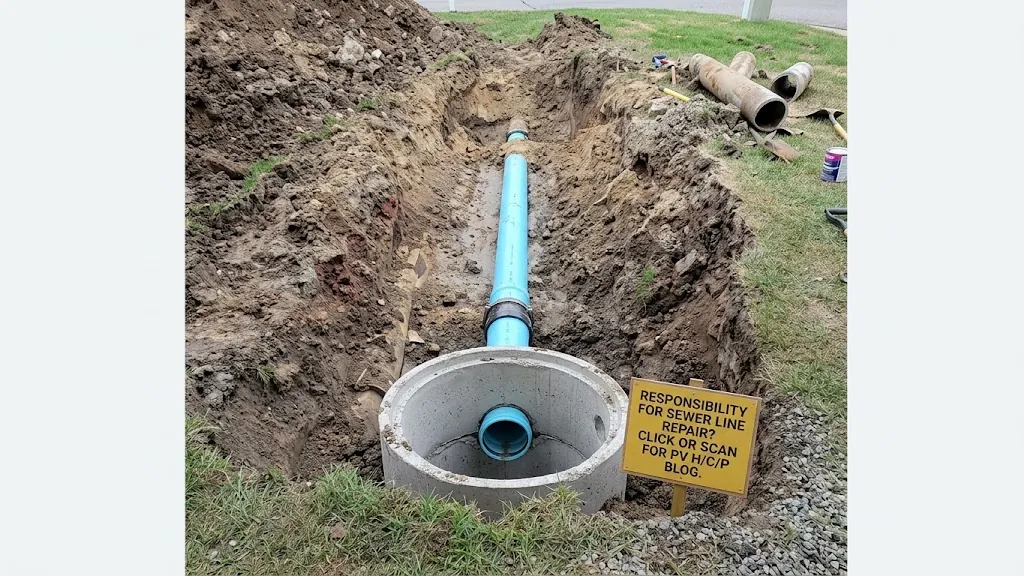
Nashua pools lose water to evaporation and to real leaks, and the two look identical on the water bill. We pressure-test the plumbing loop, check the skimmer and light niches, and dye-test the shell to separate a normal loss from a repair.
View service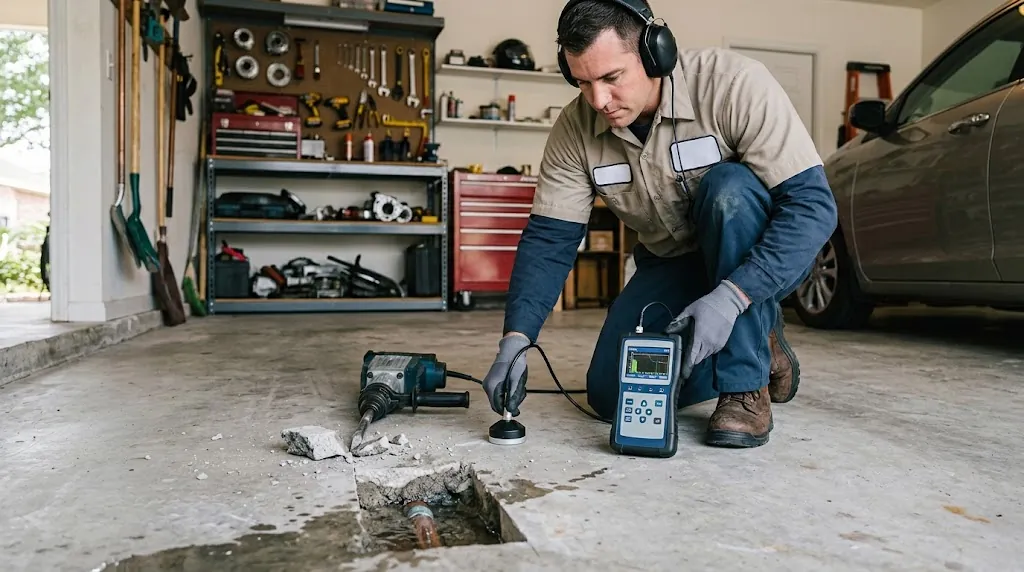
Call 603 571 4078 any hour, day or night, and a real person answers. We schedule same-day appointments for most leak calls in Nashua and the surrounding Hillsborough County area, and we confirm your window before we roll a truck.